Ctrl K
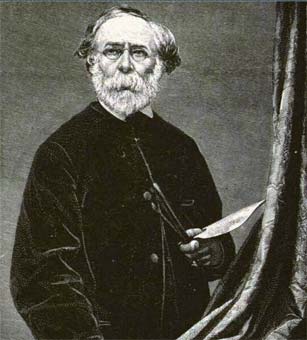
1803–1869
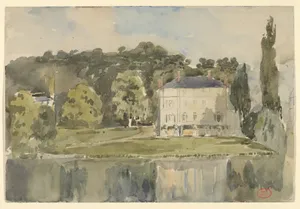
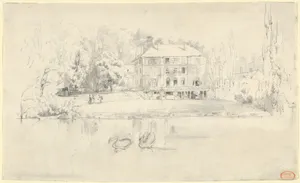
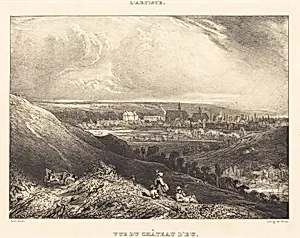
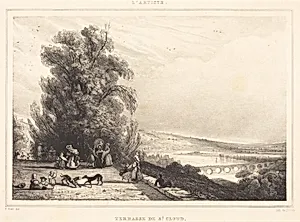
Paul Huet was born in Paris in 1803 and emerged as one of the founding figures of French Romantic landscape painting, a pioneer who helped chart the course from the classical tradition of the previous century toward the freer, more emotionally charged approach to nature that would define the Romantic era. As a young man he studied briefly with Pierre-Henri de Valenciennes and Antoine-Jean Gros, but the most transformative influence on his development came from his encounter with the English painters John Constable and Richard Parkes Bonington, whose work he encountered in Paris. Their direct observation of nature, loose brushwork, and sensitivity to weather and atmosphere electrified the young Huet and set him decisively apart from academic convention.
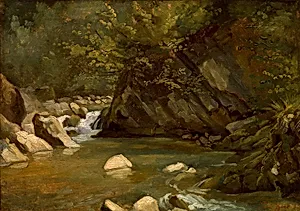
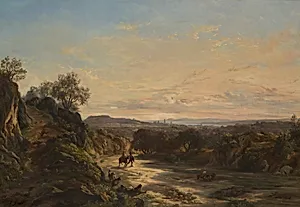
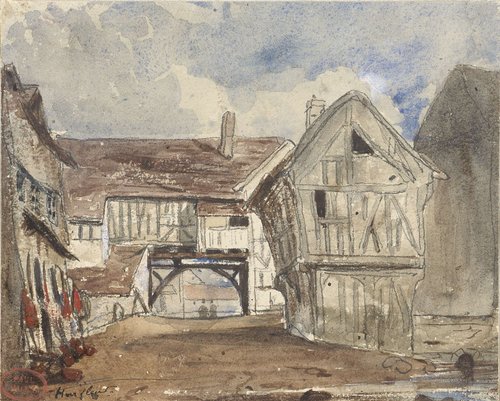
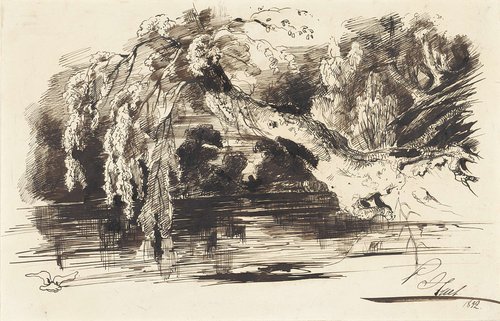
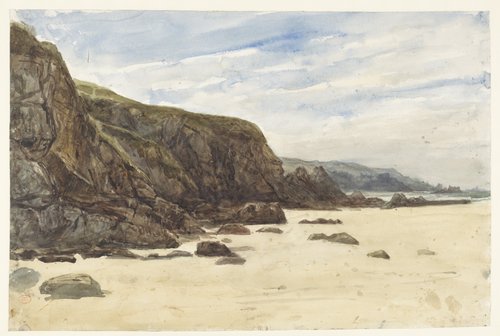
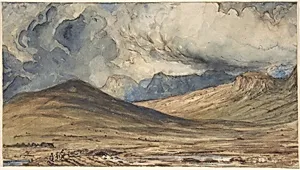
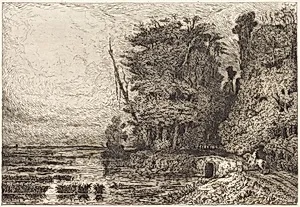
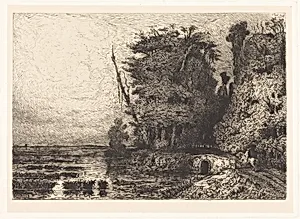
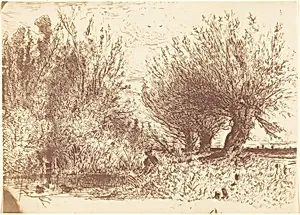
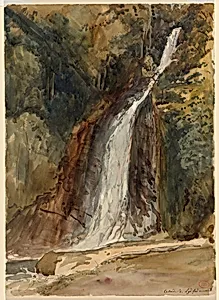
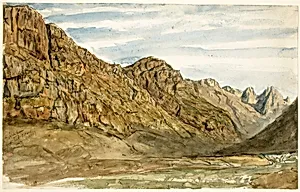
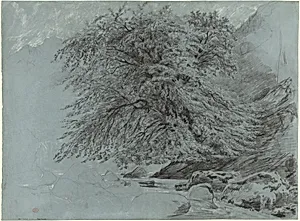
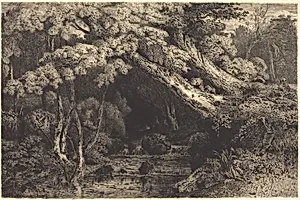
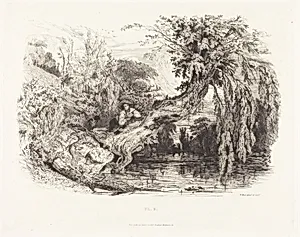
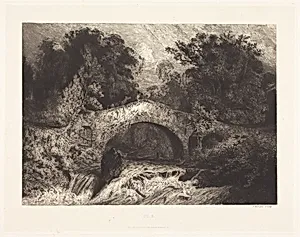
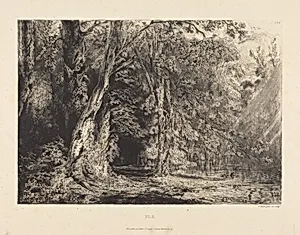
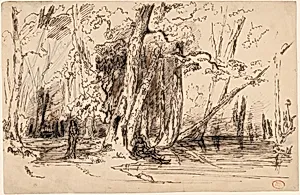
Huet formed a close and enduring friendship with Eugène Delacroix, and the two shared a passionate belief that landscape should be a vehicle for feeling as much as for description. Huet's canvases — often depicting storm-threatened skies, churning rivers, ancient forests, and coastal headlands — are suffused with a sense of the sublime, of nature as something vast and indifferent that dwarfs human presence. He was a frequent visitor to the forests of Fontainebleau and the Normandy coast, sites that would later become central to the Barbizon painters and the Impressionists.
Though he was championed by progressive critics and admired by fellow artists, Huet experienced an often difficult relationship with the Salon jury, which frequently rejected or marginalized his most adventurous work. Despite these institutional frustrations, he exhibited consistently throughout his career and attracted collectors who valued his distinctive poetic vision.
Huet died in Paris in 1869, having lived long enough to see many of the tendencies he helped introduce — direct landscape observation, expressive brushwork, emotional engagement with natural scenery — absorbed into the mainstream of French painting. His place in art history is that of a crucial transitional figure whose passionate romanticism helped make Impressionism imaginable.