Ctrl K
1731–1809
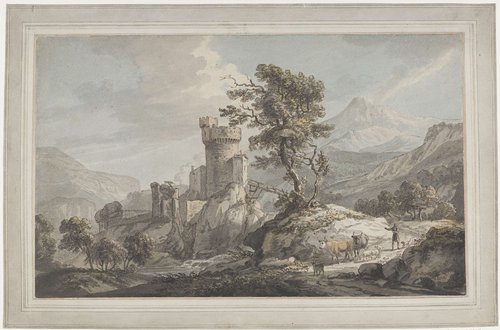
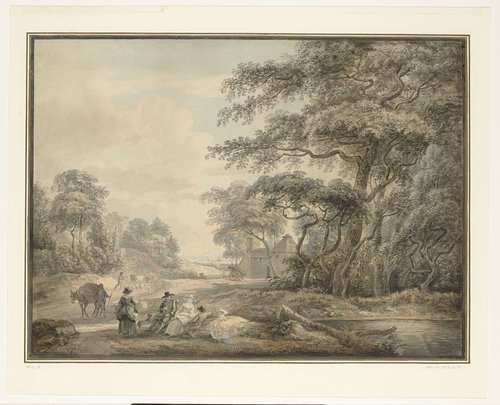
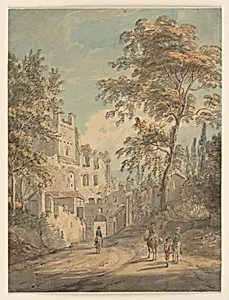
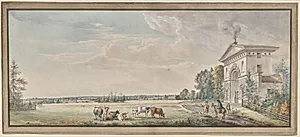
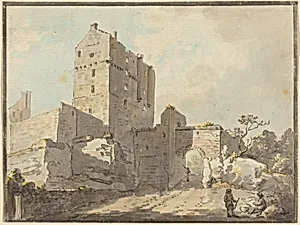
Paul Sandby (1731–1809), an English painter and draughtsman born in Nottingham, is celebrated as the father of English watercolour landscape painting. He learned drawing from his older brother Thomas Sandby, a prominent architect and artist, and followed him into the Military Drawing Office at the Tower of London, where they honed their skills as military draughtsmen. In 1747, Paul accompanied Thomas to Scotland as chief draughtsman for the Military Survey following the Jacobite Rising, producing detailed maps and topographical sketches of Edinburgh and the surrounding countryside, including Tantallon Castle (1750) and Falls of Clyde (c. 1750). Later, based at Windsor Great Park where Thomas served the Duke of Cumberland, Sandby captured the area's picturesque scenes, laying the foundation for his lifelong focus on "real views from nature," as praised by Thomas Gainsborough.
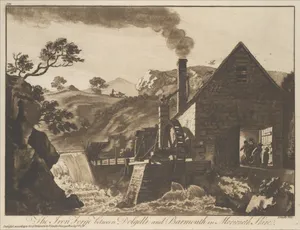
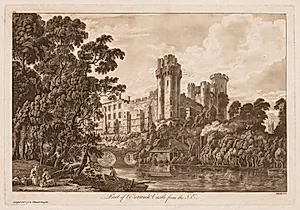
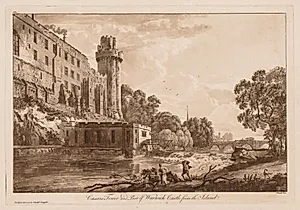
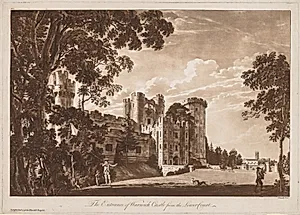
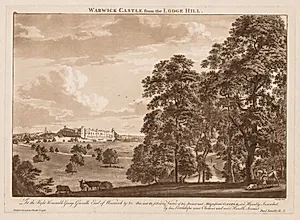
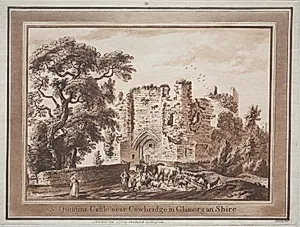
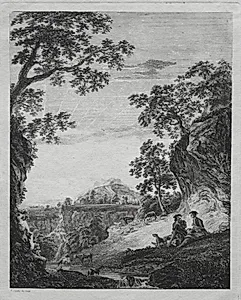
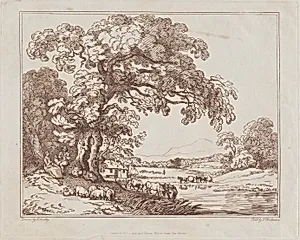
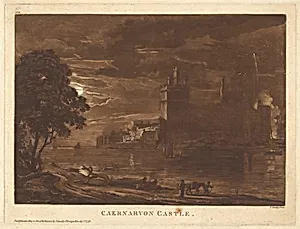
Sandby's style blended topographical precision with picturesque romanticism, elevating watercolour from utilitarian sketches to a fine art medium. He pioneered aquatint etching, enabling tonal effects that reproduced watercolour's luminosity, as seen in his series XII Views in South Wales (1775–1776) and over 100 aquatints of Welsh scenery commissioned by Joseph Banks. A founding member of the Royal Academy in 1768, he exhibited nearly annually until his death, served as its librarian from 1799, and taught as chief drawing master at the Royal Military Academy, Woolwich (1768–1799), mentoring figures like Robert Adam and William Beechey. His satirical etchings, such as the Cries of London (1760) and jabs at William Hogarth (1753–1762), revealed a sharp wit alongside his landscapes.
Among his major works are Windsor Castle: View of the Round and Devils Towers (undated), Woolton Hall, Liverpool (c. 1781), Harlech Castle (1776), and the dramatic watercolour of the Great Meteor over Windsor (1783). Sandby's innovations and prolific output—spanning oils, gouache, and prints—popularized British landscape art, influencing the watercolour tradition and domestic tourism through his vivid depictions of Wales, Scotland, and Windsor. Obituaries hailed him as the pioneer of modern watercolour, a legacy enduring in collections worldwide, from the National Gallery of Scotland to the Royal Academy.