Ctrl K
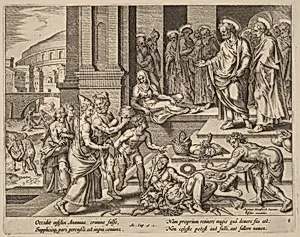
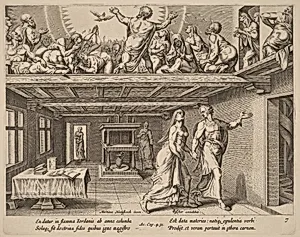
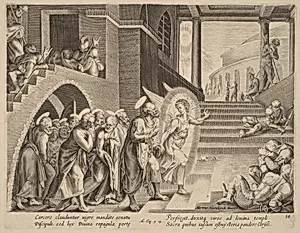
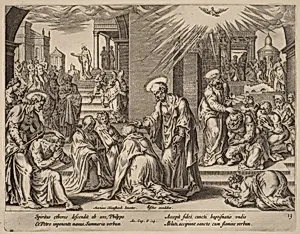
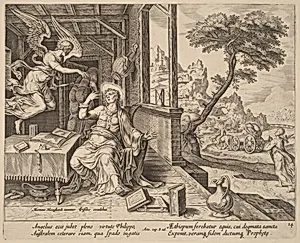
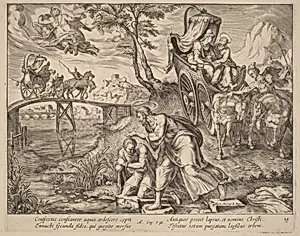
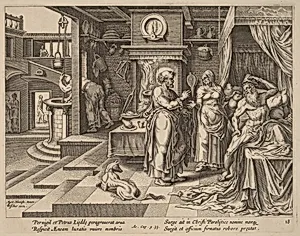
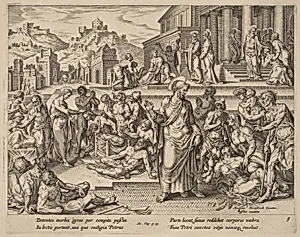
**Philip Galle (1537–1612)** was a leading Dutch engraver, printmaker, and publisher of the late Renaissance, renowned for his reproductive engravings after prominent painters of his era, including Maerten van Heemskerck. Born in Haarlem, he trained under the humanist and engraver Dirck Volkertsz. Coornhert and began his career producing prints after local artists.
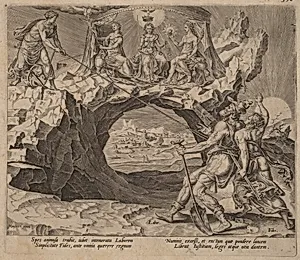
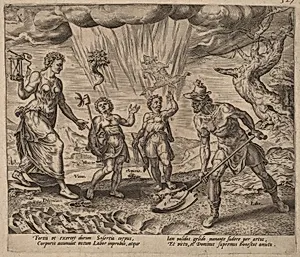
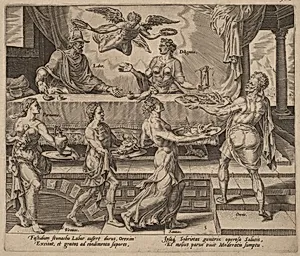
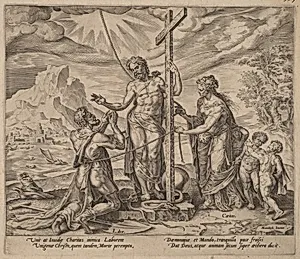
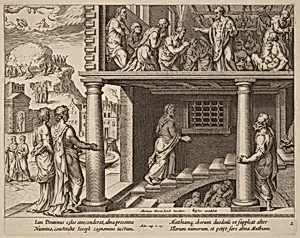
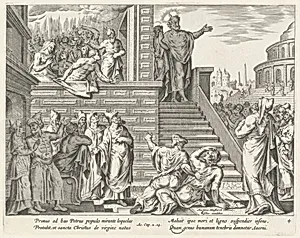
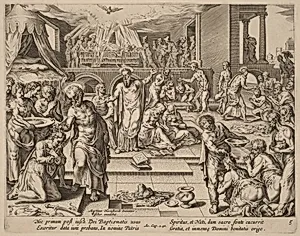
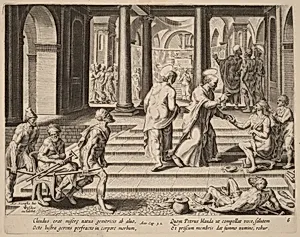
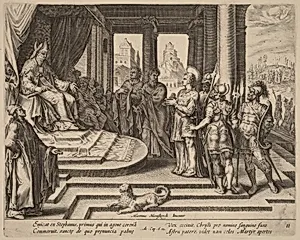
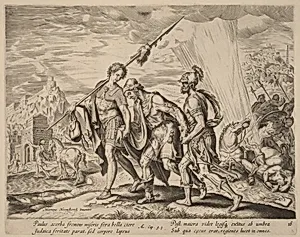
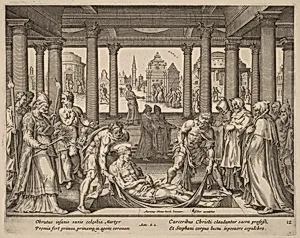
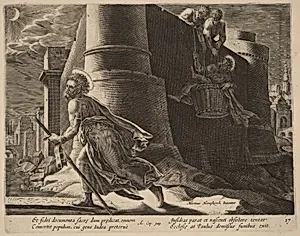
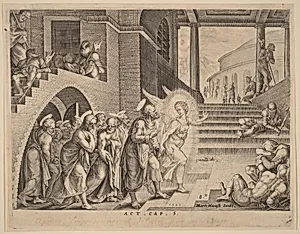
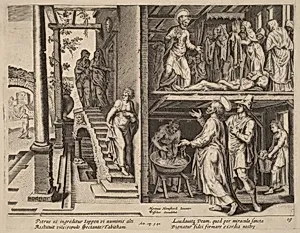
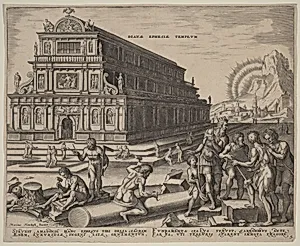
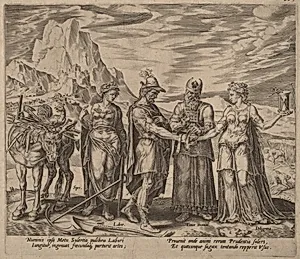
Galle established himself as an independent printer in Haarlem by 1563 while also working for the Antwerp publisher Hieronymus Cock. He engraved several designs by the Haarlem painter Maerten van Heemskerck (1498–1574), a Mannerist artist known for his Italianate style and religious and historical subjects. Notable examples include the 1572 engraving *The Marriage of Labor and Diligence* and prints from series depicting the Wonders of the World. Around 1570, Galle relocated to Antwerp, where he succeeded Cock as a major publisher, producing works after artists such as Johannes Stradanus, Maerten de Vos, and Hans Bol.
His output encompassed biblical, allegorical, and historical themes, often in detailed, expressive line work characteristic of Northern European printmaking. Galle’s workshop became highly prolific; he trained numerous pupils, including Hendrick Goltzius, and his own children—Theodoor, Cornelis, and Philips II—along with sons-in-law Adriaen Collaert and Karel de Mallery, all of whom pursued careers as engravers.
Galle’s legacy endures through his extensive catalog of reproductive prints, which helped disseminate the works of painters like van Heemskerck across Europe. His publishing house thrived into the seventeenth century under family management, cementing Antwerp’s role as a hub for print culture during a turbulent period of religious and political upheaval. With dozens of works preserved in museum collections today, Galle remains celebrated for bridging painting and the graphic arts.