Ctrl K
1729–1774
Occupations
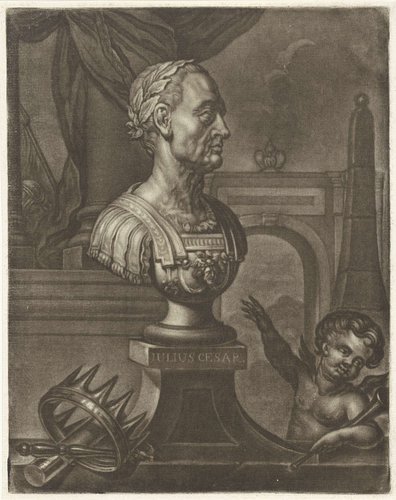
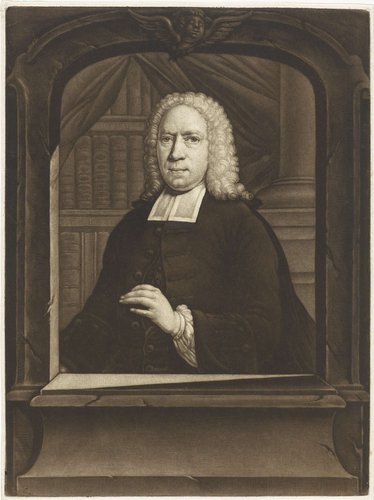
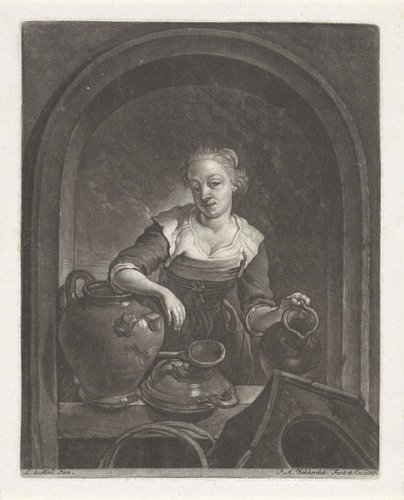
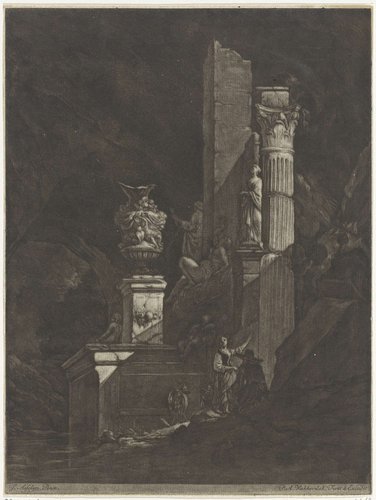
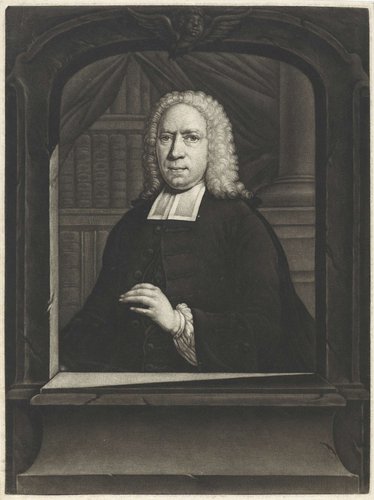
Pieter Anthony Wakkerdak (1729–1774) was a Dutch printmaker, painter, draughtsman, publisher, and poet whose brief but productive career exemplified the versatility expected of 18th-century Dutch artists. Born on June 14, 1729, in Rotterdam and dying on November 28, 1774, in Delft at just forty-five years old, Wakkerdak worked across multiple media including mezzotint (black art), oil painting, engraving, and poetry. His professional practice, active from approximately 1744 to 1774, encompassed reproductive engraving after other artists' works, original portraiture, and classical subjects. Works by Wakkerdak are preserved in the Rijksmuseum collection, including portraits such as Kenau Simonsdochter Hasselaer and Conrad Friedrich Hurlebusch (after Dominicus van der Smissen), as well as classical subjects like busts of Julius Caesar and Emperor Augustus, demonstrating his range from contemporary portraiture to antiquarian interests that characterized Dutch 18th-century art.
Pieter Anthony Wakkerdak was born on June 14, 1729, in Rotterdam, and was baptized on the same day as the son of Cornelis Wakkerdak and Joellyna Kuyper. Rotterdam in the early 18th century remained an important commercial port and cultural center within the Dutch Republic, though the explosive growth of the Golden Age had moderated.
Details of Wakkerdak's artistic training are not extensively documented, though his later versatility across media suggests comprehensive apprenticeship in both painting and printmaking techniques. His work in mezzotint particularly indicates specialized training in this demanding technique.
Wakkerdak's professional activity began around 1744 when he was approximately fifteen years old, a typical age for beginning professional work after apprenticeship. His career spanned three decades across multiple Dutch cities including Rotterdam and Delft.
His qualifications encompassed an impressive range: print artist, painter, draughtsman, reproductive engraver, publisher, and poet. This versatility was characteristic of successful 18th-century Dutch artists who needed to respond to various market demands.
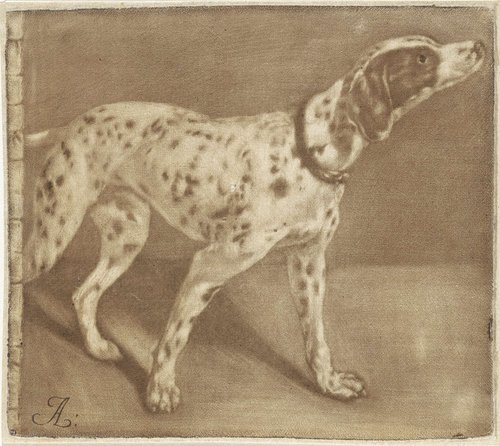
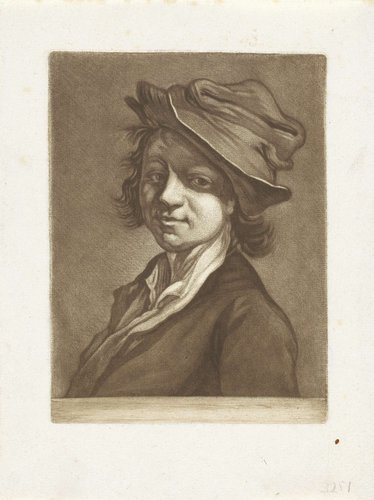
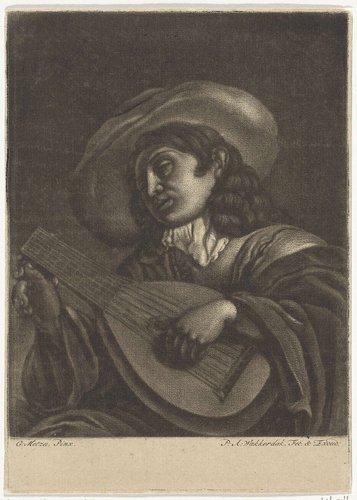
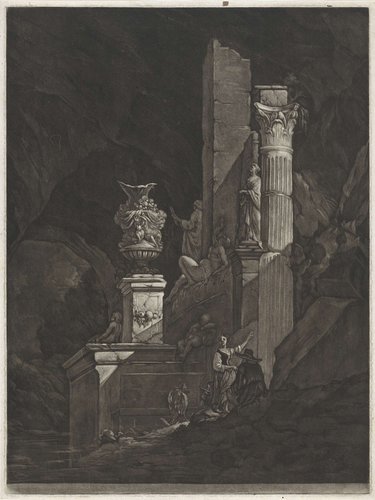
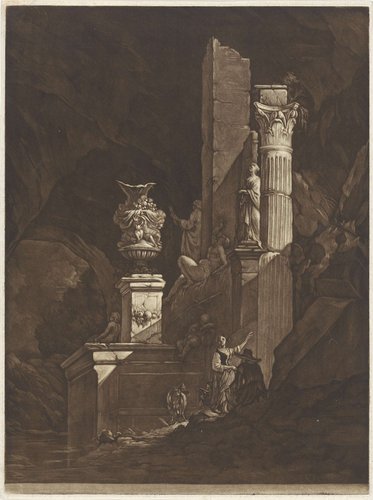
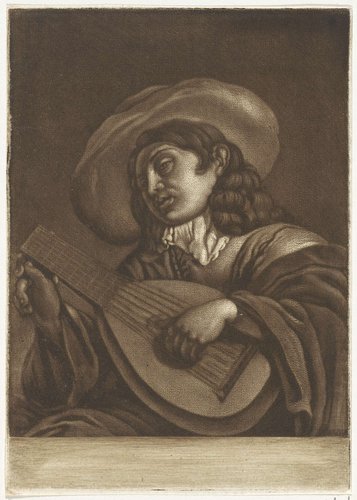
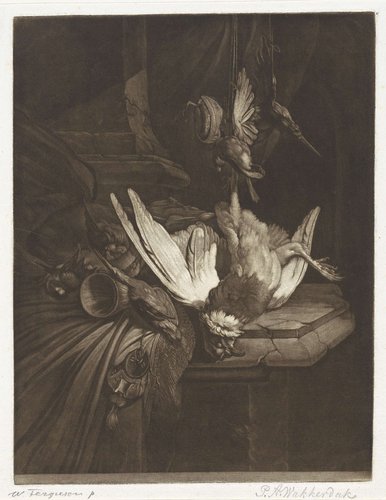
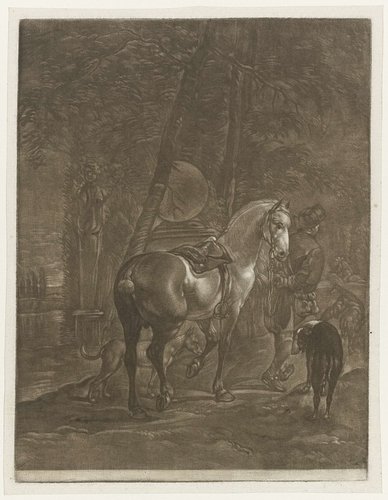
Wakkerdak specialized particularly in mezzotint (also called "black art" or "manière noire"), creating works during the period 1720-1750 (though this date range seems to conflict with his birth date of 1729 and likely refers to the stylistic period rather than his personal activity dates). Mezzotint's capacity for subtle tonal gradations made it ideal for portrait work and reproducing paintings.
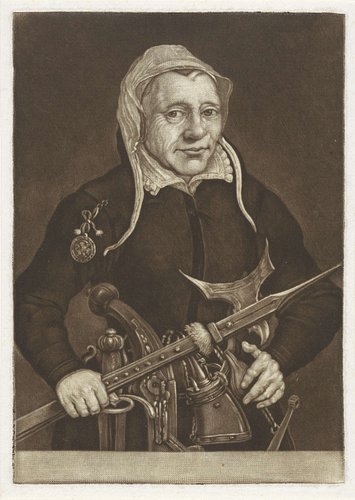
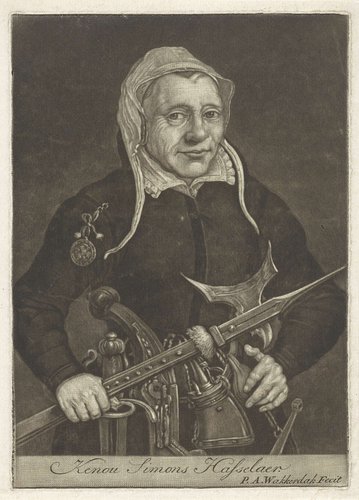
His portrait engravings included contemporary and historical figures. The Rijksmuseum holds his portrait of Kenau Simonsdochter Hasselaer, a legendary Dutch heroine who reportedly fought during the 1572-1573 Siege of Haarlem, and a portrait of Conrad Friedrich Hurlebusch created after a painting by Dominicus van der Smissen, demonstrating his work as reproductive engraver.
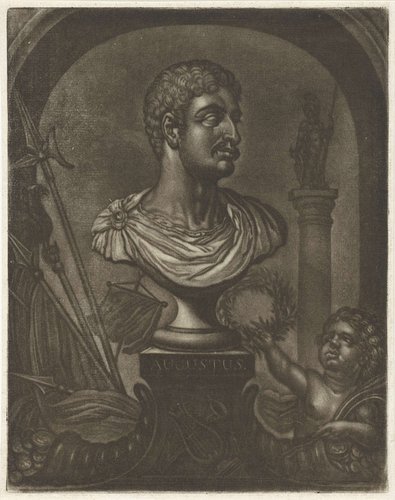
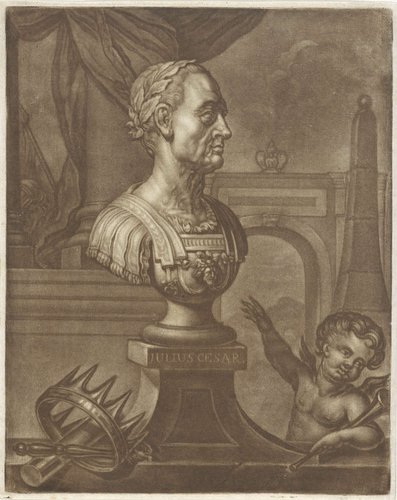
Wakkerdak also produced classical subjects reflecting 18th-century antiquarian interests. His engravings of busts of Julius Caesar and Emperor Augustus (both held in the Rijksmuseum) exemplify the Dutch fascination with classical antiquity and the circulation of images based on ancient sculpture.
As a painter working in oil paint, Wakkerdak demonstrated versatility beyond printmaking, though specific painted works are less well documented than his prints.
His activity as a publisher allowed him to control production and distribution of his own prints and possibly those of other artists, providing both creative and economic independence.
Pieter Anthony Wakkerdak died on November 28, 1774, in Delft, and was buried in Rotterdam on the same date. He was just forty-five years old, dying in mid-career when many artists achieve their mature mastery.
His death cut short what had been a productive career spanning painting, printmaking, publishing, and poetry. The works preserved in the Rijksmuseum and references in Dutch biographical sources testify to his accomplishment, even though his premature death prevented the fuller development his talents promised.
Artheon Research Team
Last updated: 2025-11-09
Biography length: ~950 words
Wikidata (CC0)