Ctrl K
1395–1455
Antonio di Puccio Pisano, known as Pisanello (c. 1395–1455), was a pioneering Italian painter, draftsman, and medalist born in Pisa, though he spent his early years near Verona. His early training occurred in Verona under local painters, possibly Stefano da Verona or Altichiero, fostering a style rooted in Veronese traditions. Between 1415 and 1420, he served as assistant to Gentile da Fabriano, absorbing a refined technique emphasizing delicate details, precious materials, and luxurious fabrics. This apprenticeship marked his entry into elite court circles, where he worked for patrons like the Doge of Venice, popes, and ruling families such as the Gonzaga and Este.
Pisanello's career spanned major Italian courts, producing frescoes, panel paintings, and portraits. Key works include the *Madonna of the Quail* (c. 1420, Museo di Castelvecchio, Verona), the *Annunciation* fresco (c. 1424–1426, San Fermo Maggiore, Verona), and the dramatic *Saint George and the Princess* (c. 1433–1438, Sant'Anastasia, Verona). His panel masterpieces, such as *The Vision of Saint Eustace* (c. 1438–1442, National Gallery, London) and *Portrait of Lionello d'Este* (c. 1441, Accademia Carrara, Bergamo), showcase exquisite naturalism in animals and figures. In Mantua, he painted frescoes of war and chivalry for the Palazzo Ducale (1447).
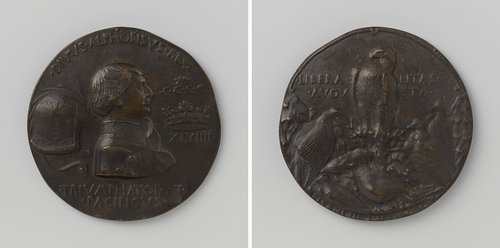
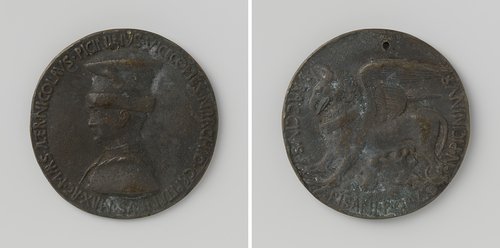
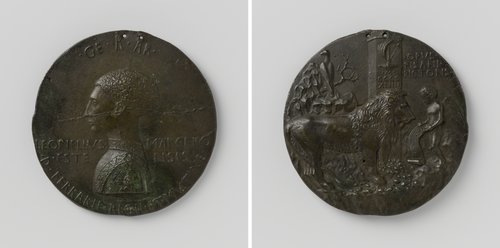
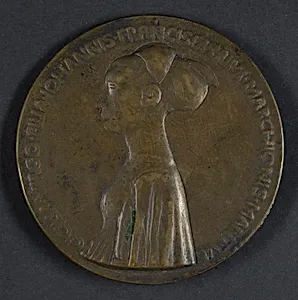
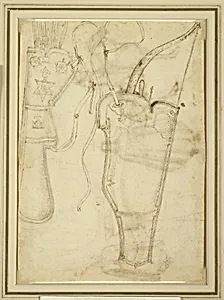
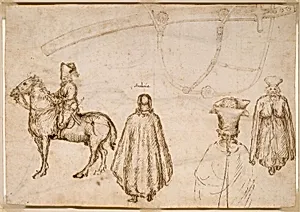
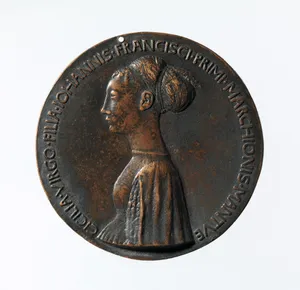
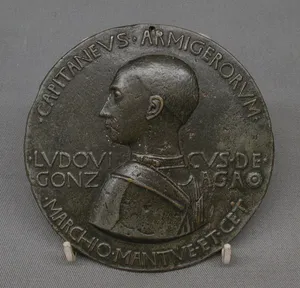
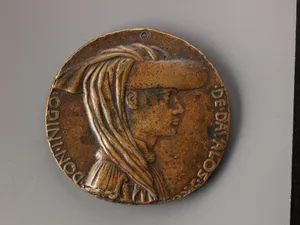
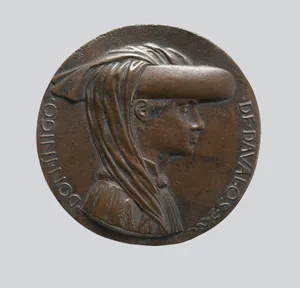
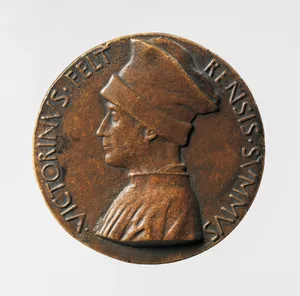
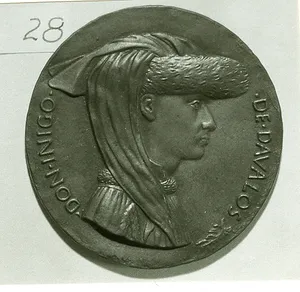
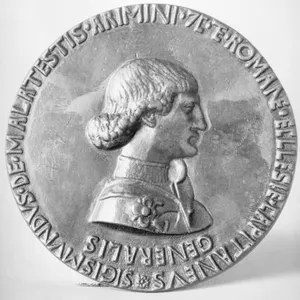
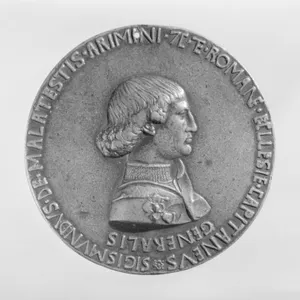
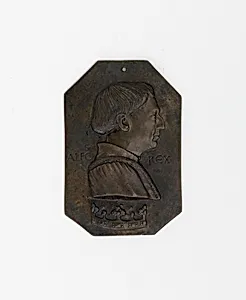
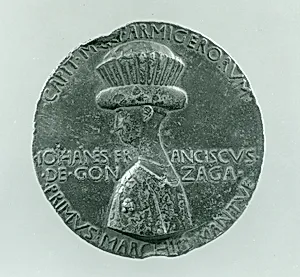
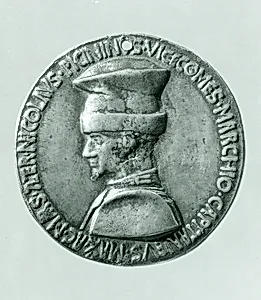
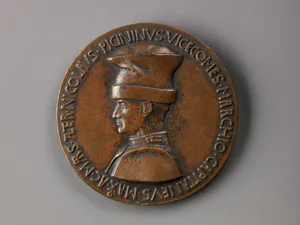
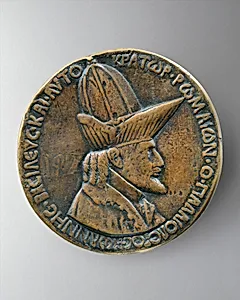
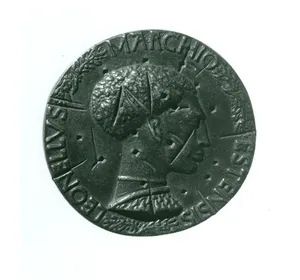
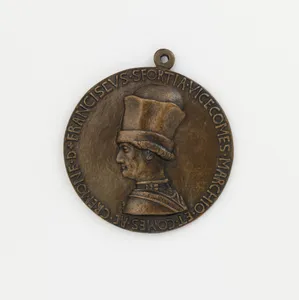
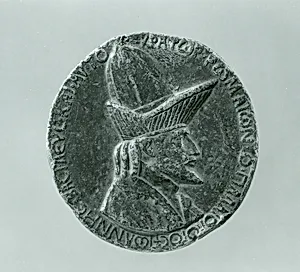
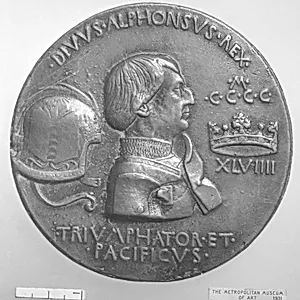
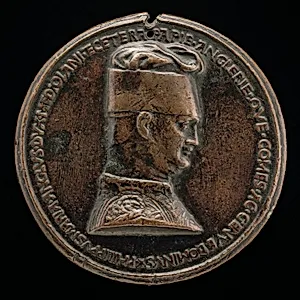
A master of International Gothic with early Renaissance tendencies, Pisanello blended curvilinear elegance, calligraphic drapery, and poetic naturalism, evident in his renowned animal and costume studies. He revolutionized medallic art with the first modern portrait medals, like that of Emperor John VIII Palaeologus (1439) and Cecilia Gonzaga (1447), featuring realistic profiles inspired by ancient Roman coins paired with allegorical reverses.
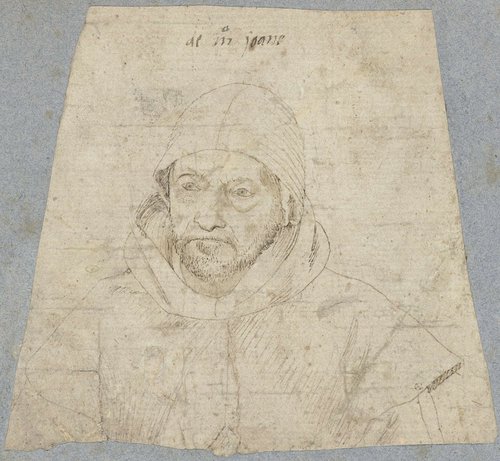
Though he lacked a direct school, Pisanello's influence endured through his drawings—preserved in collections like the Louvre's Codex Vallardi—and medals, bridging Gothic opulence and Renaissance innovation. Despite many frescoes lost, his surviving oeuvre cements him as a virtuoso of the quattrocento, celebrated for technical brilliance and imaginative detail.