Ctrl K
1650–1860
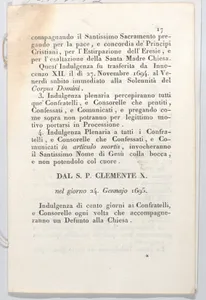
The Remondini were a celebrated Italian family of printers and publishers based in Bassano del Grappa, near Venice, whose firm operated from 1657 until 1861 and is often catalogued simply under the name Remondini. Giovanni Antonio Remondini, born in Padua in 1634, founded the enterprise after settling in Bassano’s main square, where he first sold textiles, wool, silk, and ironware before adding popular woodcuts of saints that local farmers bought for spiritual protection. He soon acquired a printing press, launching a workshop that evolved into one of Europe’s leading producers of prints and books. Subsequent generations—his son Giuseppe (1672–1742), grandsons Giovanni Antonio (1700–1769) and Giambattista (1713–1773), and later Giuseppe (1745–1811)—transformed the business into an industrial powerhouse.
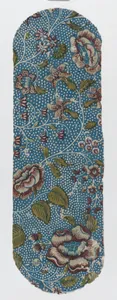
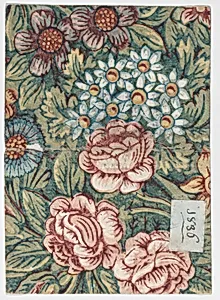
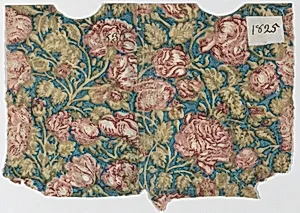
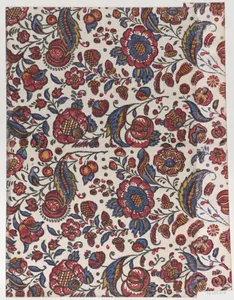
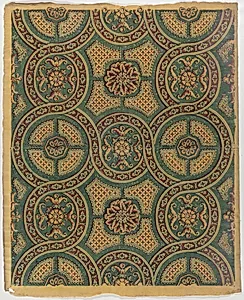
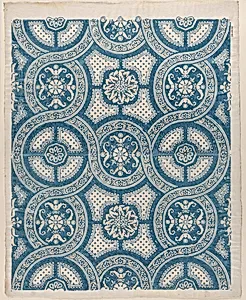
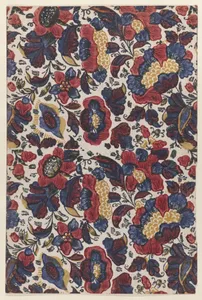
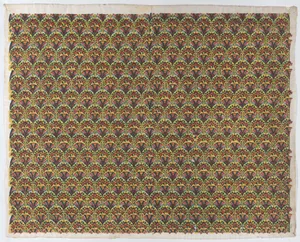
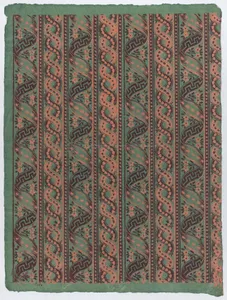
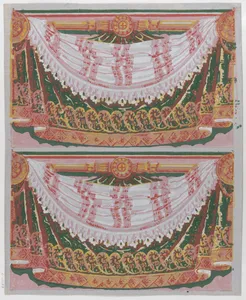
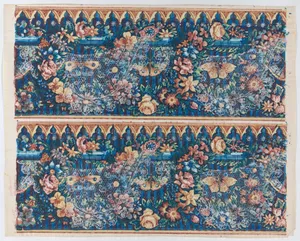
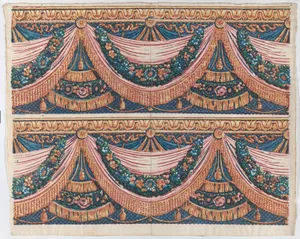
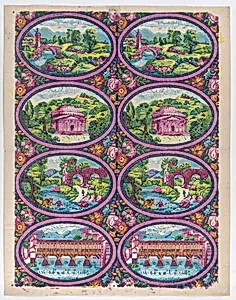
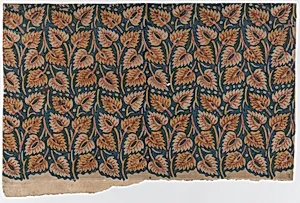
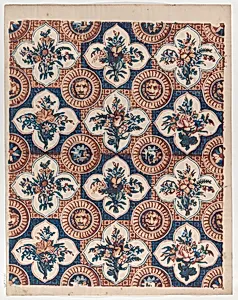
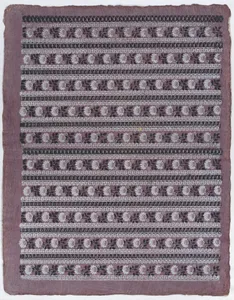
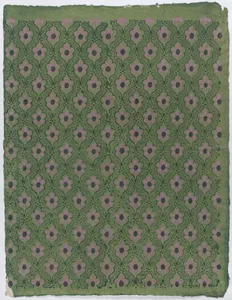
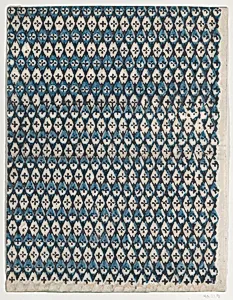
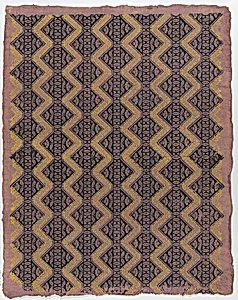
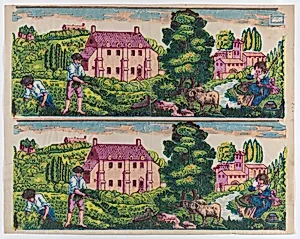
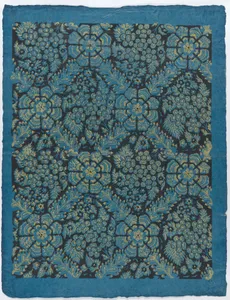
By the 1730s the family had purchased multiple paper mills, gaining control over their most expensive raw material and enabling them to undercut Venetian rivals with inexpensive, high-volume output. Their production ranged from vividly colored religious images and small story booklets to games such as the Game of the Goose and, most distinctively, decorative papers known as carte decorate or Modeldruckpapier. These featured floral sprays, geometric lattices, landscapes in oval frames, and imitation lace motifs that were cut out and applied to furniture in the Venetian “lacca povera” or arte povera style. They also issued quality atlases, maps, and optical views of European cities. The firm employed skilled engravers including Abbot Paolo Santini, renowned for sacred imagery and cartography, as well as Giovanni Volpato, who produced biblical series such as the Stories of Noah and Joseph and the Works of Mercy.
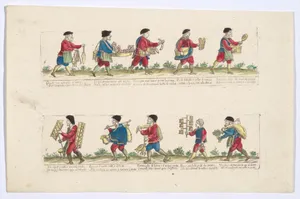
At its eighteenth-century peak the Remondini operated eighteen typographic and woodcut presses, twenty-four copperplate presses, four paper mills, and a type foundry, employing more than a thousand workers. An ingenious distribution system of itinerant Tesini peddlers from Trentino and Schiavoni from Friuli carried their prints across Europe, the Americas, and even the Pacific, making Remondini imagery a familiar presence in ordinary households. After the Napoleonic invasions the firm gradually declined and closed in 1861. Its vast archive of woodblocks and prints now forms the core of the Museo della Stampa Remondini in Bassano’s Palazzo Sturm, the Bertarelli collection in Milan, and other museums; since 1957 the Tassotti workshop has revived the decorative-paper tradition using original Remondini blocks. The family’s two-century output remains a landmark in the history of popular printmaking, demonstrating how industrial-scale publishing could bring art into everyday life.