Ctrl K
1915–2002
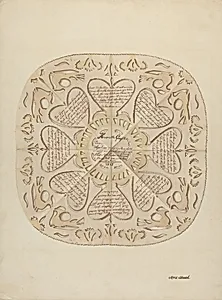
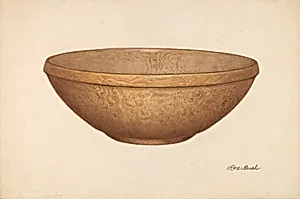
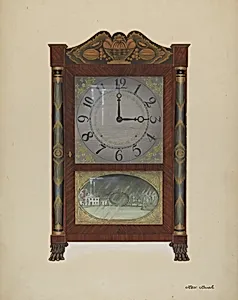
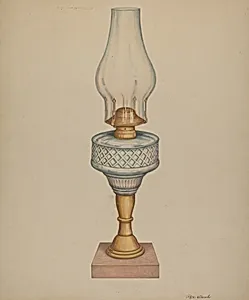
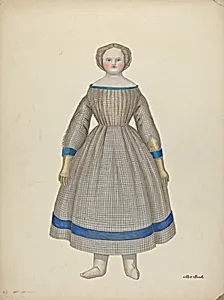
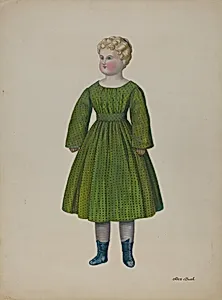
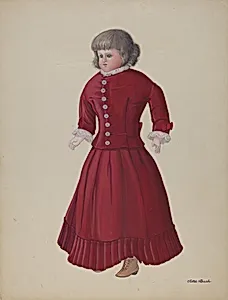
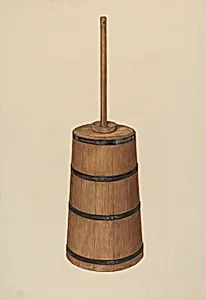
Rex F. Bush (c. 1915–2002) was an American artist best known for his meticulous contributions to the Index of American Design, a Federal Art Project initiative under the Works Progress Administration (WPA) during the Great Depression era. Active primarily from 1935 to 1942, Bush produced watercolor, gouache, graphite, and pen-and-ink renderings on paperboard that documented everyday American folk crafts, toys, furniture, and textiles. His early life and formal training remain not well documented, though his precise, objective style aligned perfectly with the project's goal of creating a visual archive of the nation's vernacular design heritage.
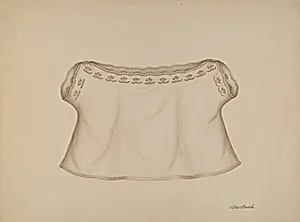
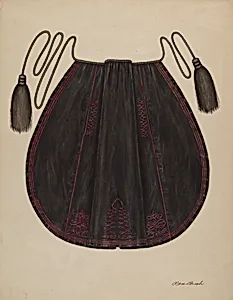
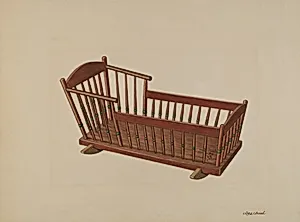
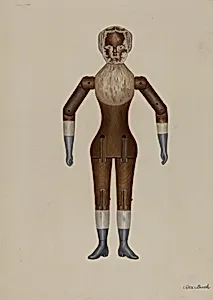
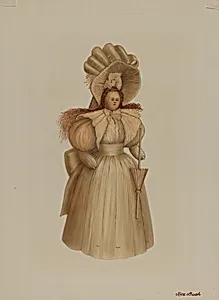
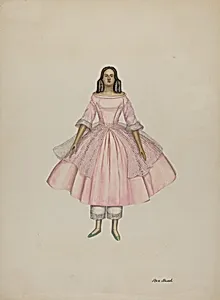
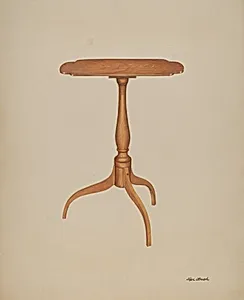
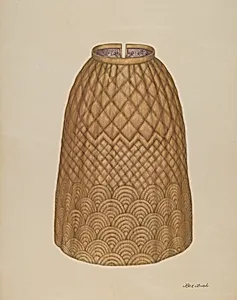
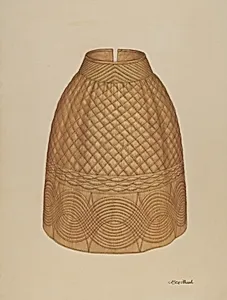
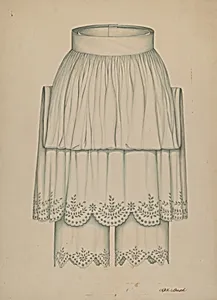
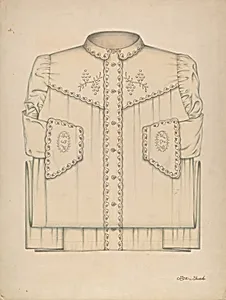
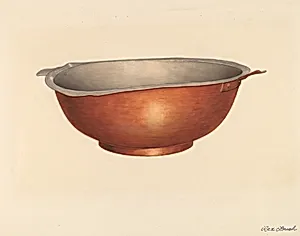
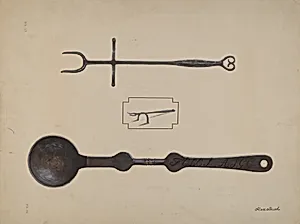
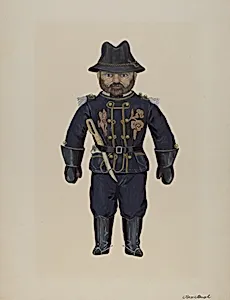
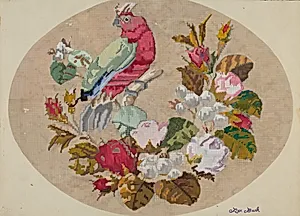
Bush's oeuvre captures the charm and ingenuity of pre-industrial American objects, rendered with technical accuracy and subtle color washes that highlight textures and forms. He specialized in dolls—such as the rag doll "Billy" (c. 1937), "Martha" (c. 1937), and "Matilda" with her grey wig (c. 1938)—alongside doll carriages, rocking horses, and wooden toys that evoke childhood nostalgia. Furniture like the rosewood chair (c. 1936), bureau (c. 1936), and secretary bookcase (c. 1936) showcase Shaker and Pennsylvania German influences, while domestic items including quilted petticoats (c. 1938), corsets (1935–1942), silk aprons, and baby's shirts reveal the artistry in everyday attire. Musical instruments such as the dulcimer (c. 1937) and melodeon (c. 1938), utensils like the fork and ladle (c. 1937), and whimsical pieces like the cast-iron pigeon or rabbit decoy (c. 1936) further illustrate his range.
The National Gallery of Art holds 61 of Bush's works, forming a cornerstone of its Index collection and preserving irreplaceable images of objects that might otherwise have been lost to time. Though Bush's career extended beyond the WPA, his Depression-era output endures as a vital record of American material culture, bridging fine art and historical documentation. His legacy lies in democratizing appreciation for folk traditions, reminding us of the anonymous makers whose ingenuity shaped the nation's aesthetic identity.