Ctrl K
1903–1942
Robert Gilson (1903–1942) was an American artist whose modest oeuvre captures the essence of everyday American folk objects during the era of the Great Depression. Little is known about his early life or formal training, as biographical details remain scarce in historical records. Active in the late 1930s, Gilson contributed renderings to the Index of American Design, a Federal Art Project under the Works Progress Administration (WPA) that employed artists to document the nation's crafts and decorative arts through precise watercolor illustrations. His association with the Iowa Project highlights regional folk traditions, including Norwegian-American and Midwestern utilitarian items.
Gilson's style is characterized by meticulous realism, blending watercolor, graphite, pen and ink, and occasional gouache to render textures and forms with photographic accuracy. He focused on humble, functional objects—furniture, tools, toys, and animal figures—that embodied America's vernacular design heritage, from Shaker-inspired simplicity to carved whittlings. This approach aligned with the IAD's mission to celebrate indigenous crafts over European high art, positioning Gilson within the broader folk art documentation movement of the New Deal era.
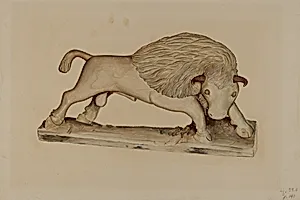
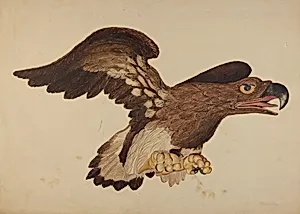
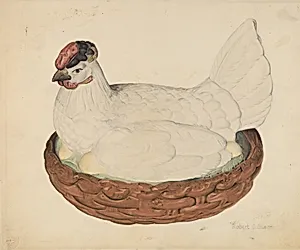
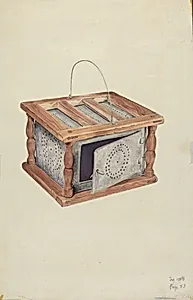
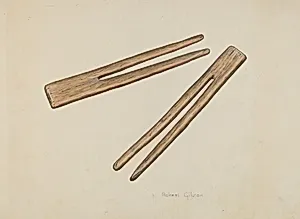
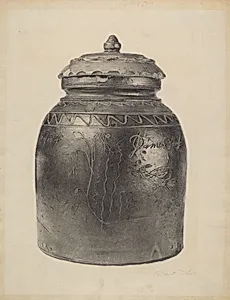
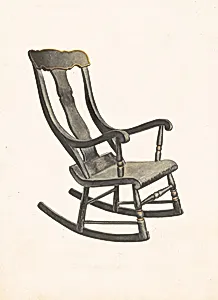
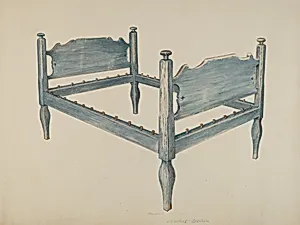
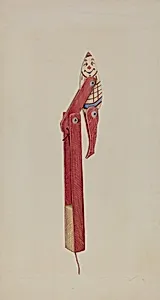
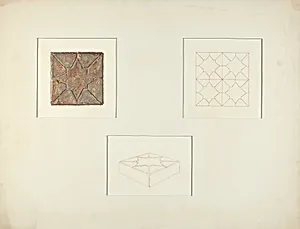
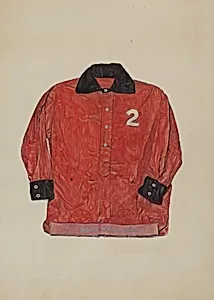
Among his major works preserved in the National Gallery of Art's collection of eleven pieces are *Carved Wooden Eagle* (c. 1939), a dynamic depiction of a folk whittling; *Buffalo* (c. 1939), showcasing a charging beast carved in wood; *Hen on Nest* (c. 1938), with its detailed feathers and eggs; and *Clothes Pins* (c. 1938), elevating mundane laundry aids to artistic study. Others include *Fireman's Shirt* (c. 1937), *Rocking Chair (Square Back)* (c. 1937), *Sugar Jar* (c. 1938), *Foot Warmer* (c. 1938), *Bedstead* (1935/1942), *Brick Sidewalk Tiles* (1935/1942), and *"Humpty Dumpty" Jumping Jack* (1935/1942).
Though Gilson's life ended prematurely in 1942, his contributions endure as vital records of vanishing American material culture. Housed in major institutions, his renderings educate on the ingenuity of anonymous craftsmen, bridging art history with cultural anthropology and underscoring the WPA's role in sustaining artists during economic hardship. Today, they remind us of the beauty in the ordinary, preserving slices of 19th-century life for future generations.