Ctrl K
1855
**Roy Weber** was an American artist active circa 1935, best known for his precise watercolor and graphite renderings created as part of the Index of American Design.
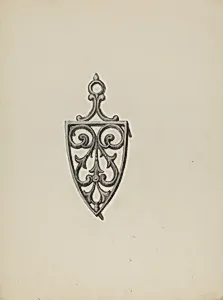
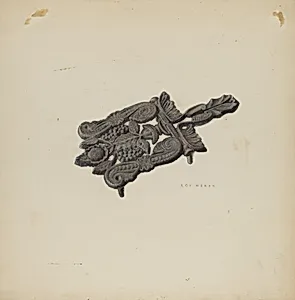
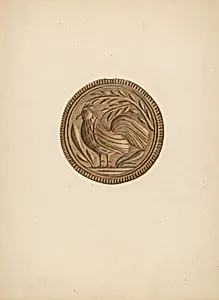
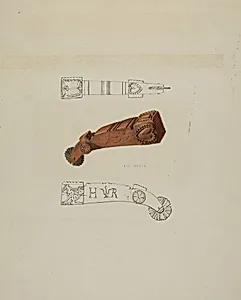
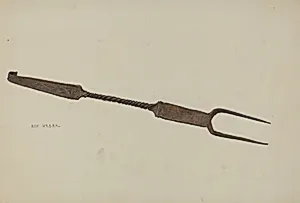
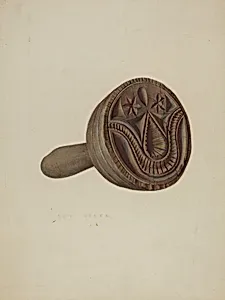
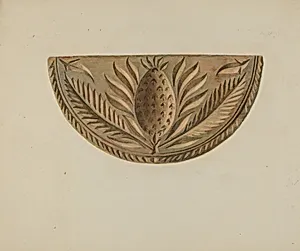
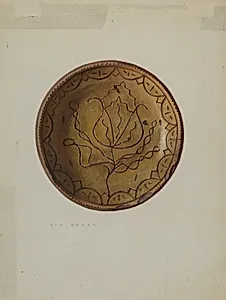
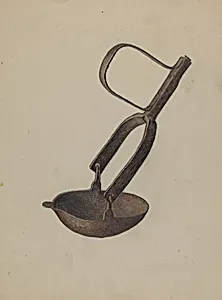
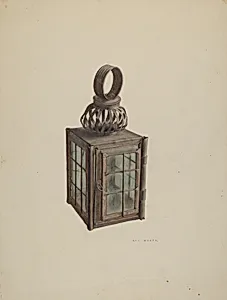
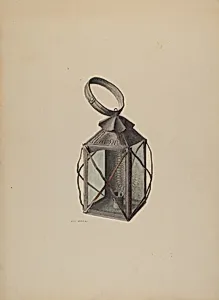
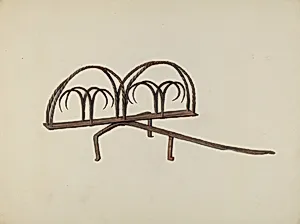
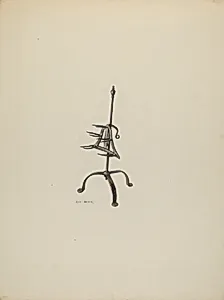
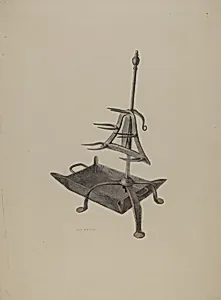
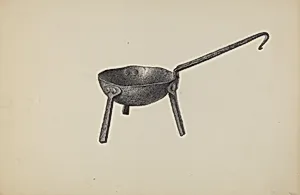
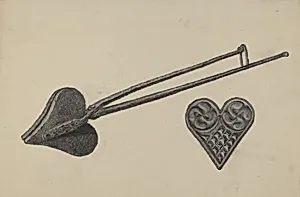
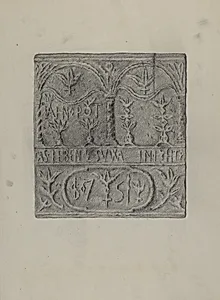
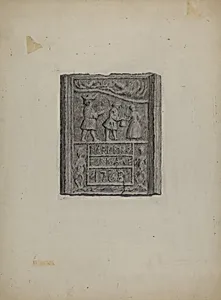
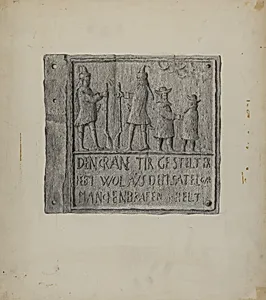
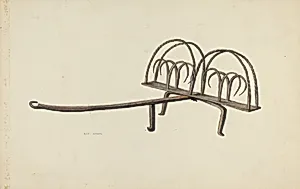
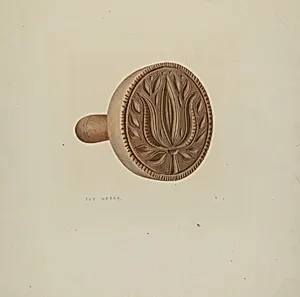
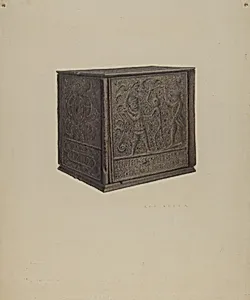
This ambitious Works Progress Administration (WPA) project during the Great Depression sought to document and preserve America’s folk and decorative arts through detailed illustrations. Weber produced at least 22 such works, now in the collection of the National Gallery of Art, focusing on everyday household objects and Pennsylvania German artifacts.
His drawings, mostly dated around 1938, capture items such as butter molds, trivets, lanterns, pie markers, roasting stands, saucepans, and toasters with meticulous attention to form, texture, and ornament. Executed in watercolor, graphite, pen and ink, and colored pencil on paperboard or paper, these pieces combine scientific accuracy with artistic sensitivity, serving both as archival records and standalone works of art.
Little is known about Weber’s personal background, training, or other artistic activities beyond his contributions to the Index. His output reflects the broader goals of the project: to celebrate and safeguard America’s material culture at a time when many traditional crafts faced obsolescence. Today, Weber’s illustrations remain valuable resources for scholars of American folk art and design history, offering vivid glimpses into 18th- and 19th-century domestic life. His work continues to be appreciated for its technical skill and historical significance within the National Gallery’s holdings and related museum collections.