Ctrl K
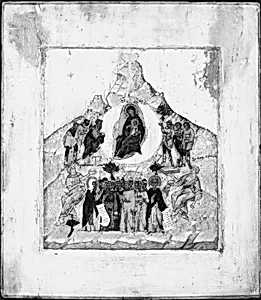
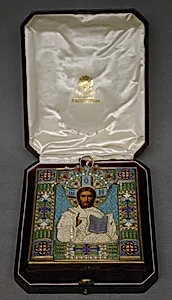
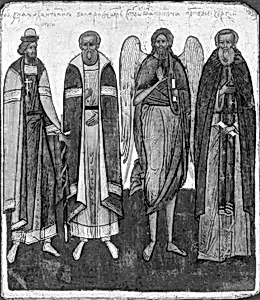
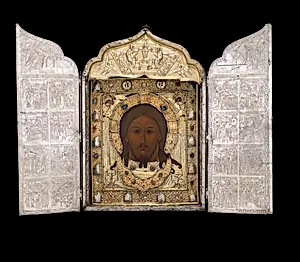
The Russian Painter, an anonymous master active possibly in the 16th century, embodies the profound spiritual tradition of Russian iconography. Little is known about their early life, training, or personal background, as is common for many unattributed works from this era, when artists often labored in workshops without individual recognition. Working in the Russian school tradition, this painter specialized in tempera on wood panels, creating vivid depictions of saints, biblical scenes, and liturgical calendars that served as windows to the divine in Orthodox worship.
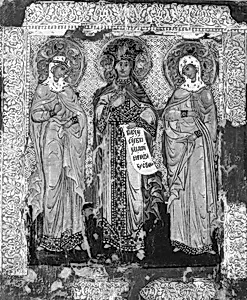
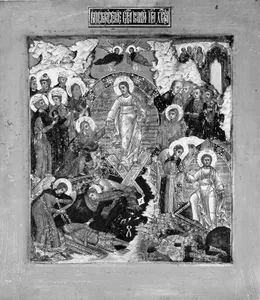
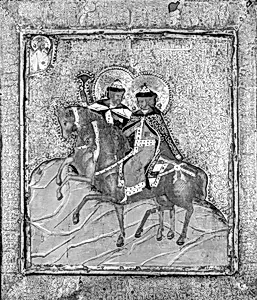
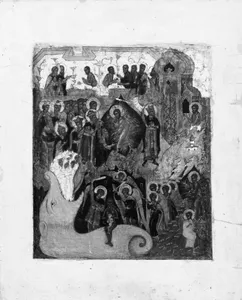
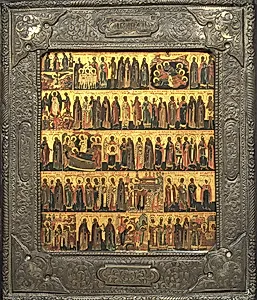
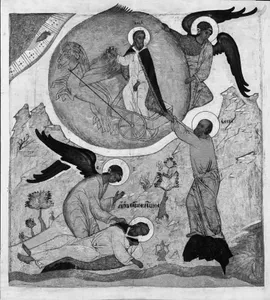
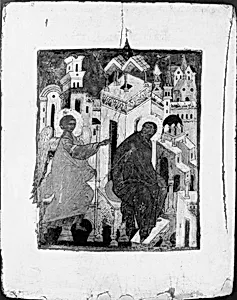
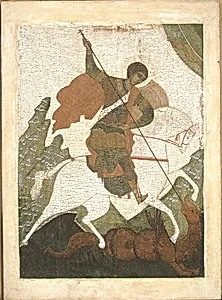
The artist's style reflects the stylized, symbolic aesthetic of medieval Russian icon painting, characterized by elongated figures, gold grounds, and intense expressions conveying otherworldly holiness rather than naturalistic realism. No specific teachers or mentors are documented, nor any affiliations with particular movements, though the works align with the Novgorod or Moscow schools of icon production. Among the known masterpieces attributed to this hand are *Saint George*, portraying the dragon-slaying martyr in dynamic pose; *The Annunciation*, a compact vision of divine announcement; and *Saint Elias's Fiery Ascension*, capturing prophetic ascent with fiery drama. Additional panels like *Calendar of Saints and Festivals* and *The Resurrection of Christ and the Harrowing of Hell* showcase narrative complexity on both sides of panels, blending hagiography and festal cycles.
This Russian Painter's legacy endures through the 14 artworks preserved in our virtual museum's collection, which highlight the anonymous genius fueling Russia's golden age of religious art. These icons not only preserved theological narratives for illiterate congregations but also influenced later generations of painters, bridging Byzantine roots with emerging Muscovite grandeur. Their timeless appeal lies in the transcendent gaze of saints, inviting viewers across centuries to contemplate eternity amid earthly strife.