Ctrl K
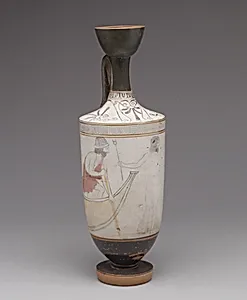
**The Sabouroff Painter** was an anonymous Athenian vase-painter active during the early Classical period, flourishing roughly between 470 and 440 BC. His conventional name was coined by Sir John Beazley after a nuptial lebes (a type of wedding bowl) formerly in the Sabouroff collection and now in Berlin; consistent stylistic traits across hundreds of surviving works confirm him as a distinct artistic personality within the vibrant world of Attic pottery production.
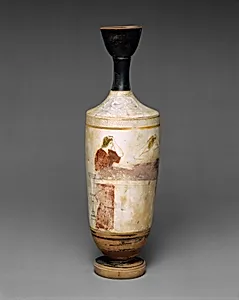
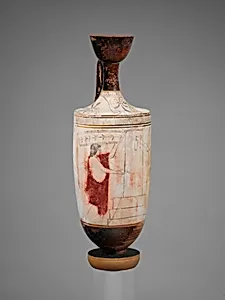
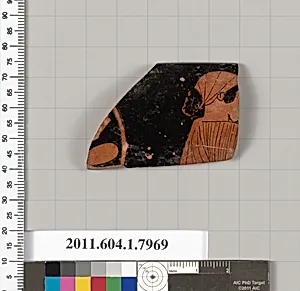
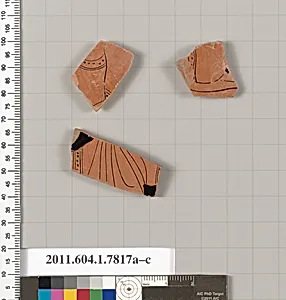
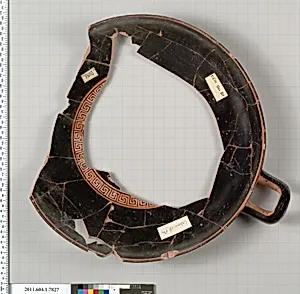
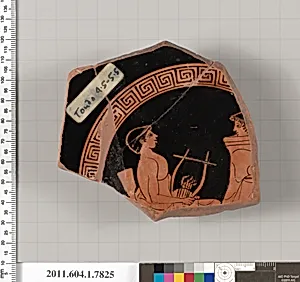
Working primarily in the red-figure technique, the Sabouroff Painter also excelled in white-ground decoration, especially on lekythoi—slender oil flasks often used in funerary contexts. He produced a wide range of shapes, including cups, pelikai, neck-amphorae, and oinochoai, but is best remembered for his sensitive depictions of everyday and mythological scenes. His white-ground lekythoi frequently feature poignant funerary imagery, such as mourners at tombs, Hermes guiding the deceased, or Charon ferrying souls across the Styx, rendered with delicate line work and emotional nuance that distinguishes his hand.
Nearly 300 vases have been attributed to him on stylistic grounds, making him one of the more prolific painters of his generation. Notable examples include lekythoi in the Metropolitan Museum of Art and the British Museum, as well as pelikai and other vessels in collections across Europe and North America. His compositions often balance narrative clarity with decorative elegance, reflecting the transition from the severe style of the early fifth century toward greater naturalism.
Though nothing is known of his training or personal life, the Sabouroff Painter’s output stands as a testament to the high level of specialization and artistic individuality achieved by Attic vase-painters in the Classical era. His works continue to illuminate ancient Greek rituals, beliefs about the afterlife, and the technical mastery of ceramic decoration, ensuring his enduring place in the study of Greek art.