
Ctrl K
1701–1800
Seijiro was a Japanese artist active during the Edo period, with a lifespan spanning from 1701 to 1800. Little is known about his early life or personal background, as historical records from this era often focused on more prominent figures in the imperial court or major urban centers like Edo and Kyoto. His nationality and dates place him firmly within the rich artistic traditions of 18th-century Japan, a time when ukiyo-e prints, screen paintings, and ink works flourished amid relative isolation from the West.
No specific teachers, mentors, or formal art schools are documented in connection with Seijiro. He does not appear to have been affiliated with major movements such as the Kano school, the literati-inspired nanga style, or the emerging naturalism of the Maruyama-Shijō tradition. This absence of recorded lineage suggests he may have worked independently or within a local, lesser-known circle, producing works that have not survived in significant numbers.
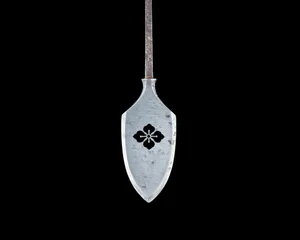
Only one artwork by Seijiro is known to exist in the collection, underscoring the rarity of his surviving output. Without additional dated pieces or descriptions, it is difficult to characterize his style in detail, though it would likely reflect the broader Edo-period emphasis on delicate brushwork, natural motifs, or everyday scenes common to Japanese painting of the time.
Seijiro’s legacy remains modest and largely confined to this single preserved work, highlighting how many artists of the period contributed quietly to Japan’s cultural heritage without widespread recognition. His presence in the virtual museum collection helps preserve and illuminate these underrepresented voices from the Edo era, offering viewers a glimpse into the diverse artistic landscape of 18th-century Japan.