
Arrowhead (<i>Yanone</i>)
16th–19th century
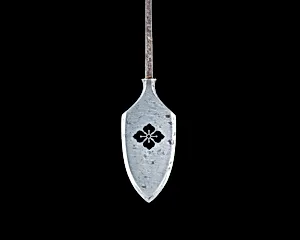
Medium
Steel
Dimensions
L. 10 3/4 in. (27.3 cm); L. of head 3 1/8 in. (7.8 cm); W. 1 5/16 in. (3.4 cm); Wt. 2.05 oz. (59 g)
Classification
Archery Equipment-Arrowheads
Culture
Japanese
Department
Arms and Armor
Museum
Metropolitan Museum of Art, New York, NY
Credit
The Collection of Giovanni P. Morosini, presented by his daughter Giulia, 1932
Accession Number
32.75.494
Rights
Public Domain
Art Historical Context
This exquisite steel arrowhead, known as *Yanone* and signed by the maker Seijiro, dates to the 16th–19th, a dynamic era in Japanese history spanning the late Muromachi, Azuchi-Momoyama, and Edo periods.ed for archery equipment, it measures 10 3/4 inches in total length, with a 3 1/8-inch head, showcasing the precision engineering of Japanese arms makers. Housed in the Metropolitan Museum of Art's Arms Armor Department, it entered the collection through the generous gift of Giovanni P. Morosini, presented by his daughter Giulia in 1932. In Japanese culture, *yanone* were more than mere projectiles; they embodied the samurai's martial prowess and the artistry of specialist smiths. Forged from high-quality steel, these arrowheads varied in form for hunting, warfare, or ceremonial use, often featuring innovative designs to pierce armor or create whistling sounds in flight. Seijiro's signed example highlights the prestige of such craftsmen, whose techniques paralleled those of swordsmiths, blending functionality with subtle aesthetic refinement. Today, this lightweight yet lethal artifact (weighing just 2.05 ounces) invites visitors to appreciate the intersection of technology, tradition, and beauty in feudal Japan, reminding us how even the smallest weapon could symbolize a warrior's honor.
About the Artist
Seijiro · 1701–1800
Seijiro was a Japanese artist active during the Edo period, with a lifespan spanning from 1701 to 1800. Little is known about his early life or personal background, as historical records from this era often focused on more prominent figures in the imperial court or major urban centers like Edo and Kyoto. His nationality and dates place him firmly within the rich artistic traditions of 18th-century...