Ctrl K
1600–1653
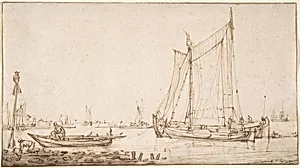
Simon de Vlieger (c. 1600/1601–1653) was a leading Dutch marine painter of the Golden Age, born in Rotterdam where he married Anna Gerridts van Willige in 1627. His early training remains undocumented, though his initial works reflect the influence of tonal marine painting pioneered by Jan Porcellis, from whose monochrome palette de Vlieger transitioned toward more vibrant colors, precise ship details, and atmospheric effects of light on sea and sky. Relocating frequently for commissions, he joined the Delft Guild of Saint Luke in 1634, contributed designs for Amsterdam festivities honoring Marie de Medici in 1638, painted organ doors for Rotterdam's Grote Kerk in 1645 (earning 2,000 guilders), and created stained-glass windows for Amsterdam's Nieuwe Kerk in 1648 (for 6,000 guilders), before settling in Weesp in 1649.
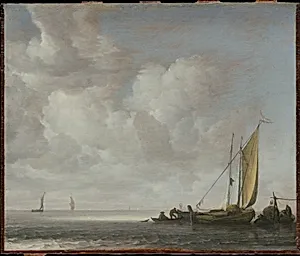
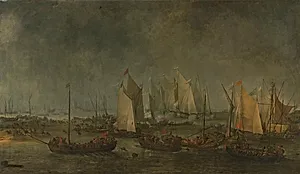
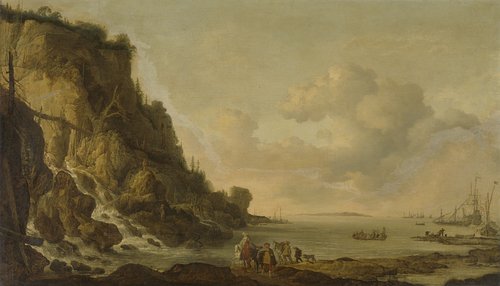
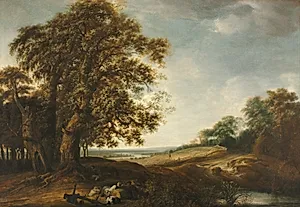
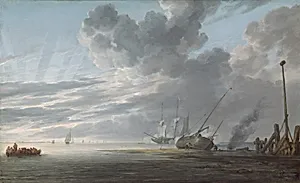
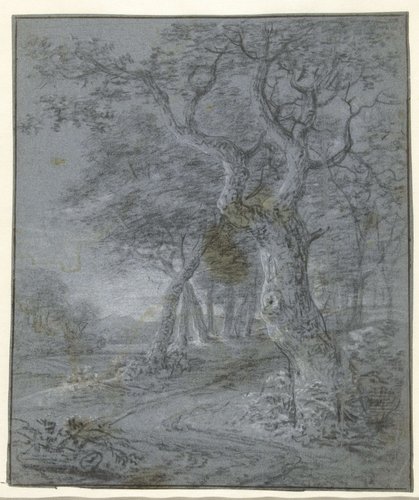
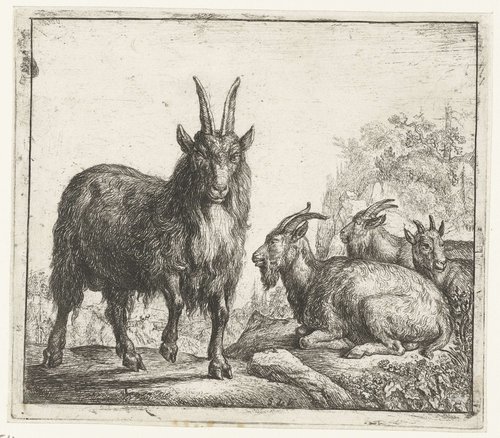
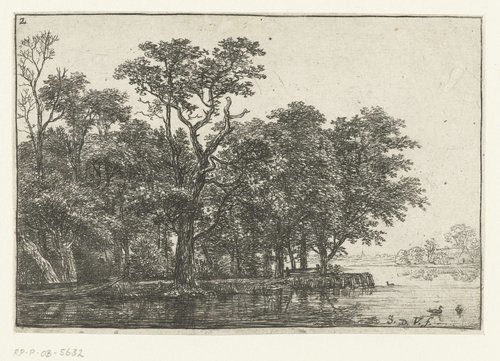
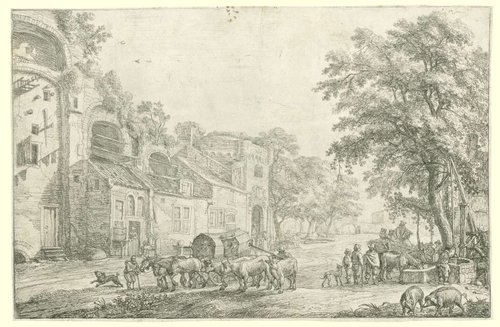
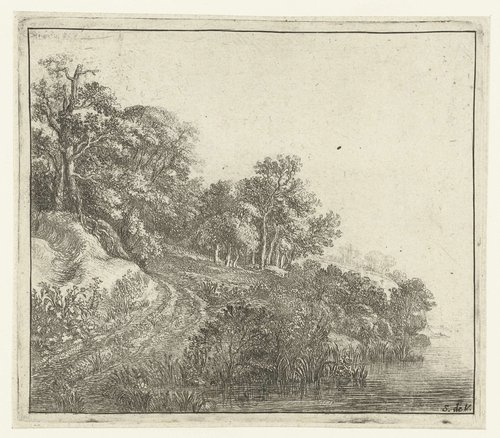
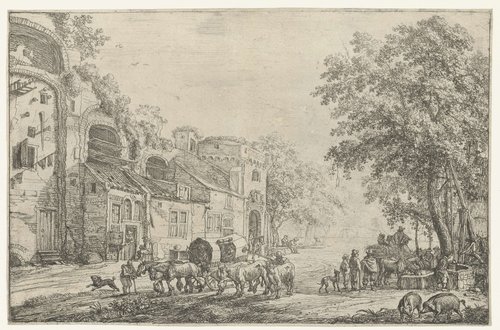
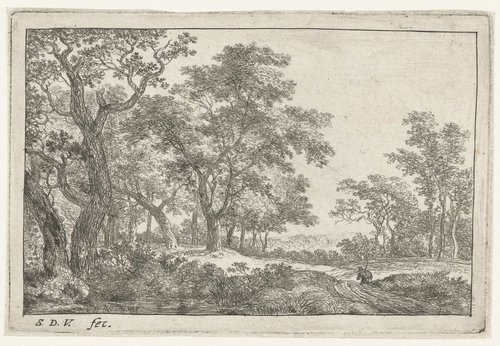
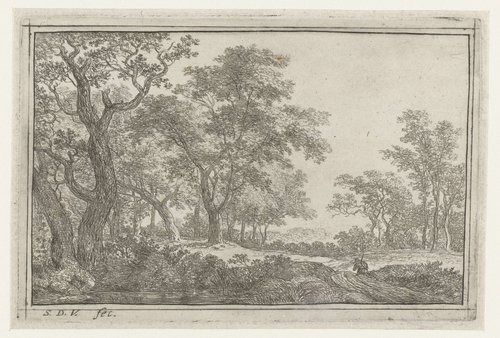
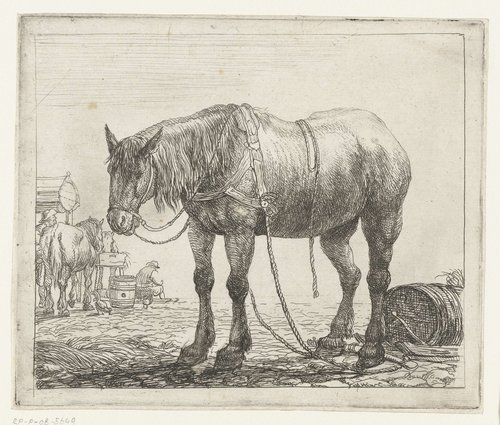
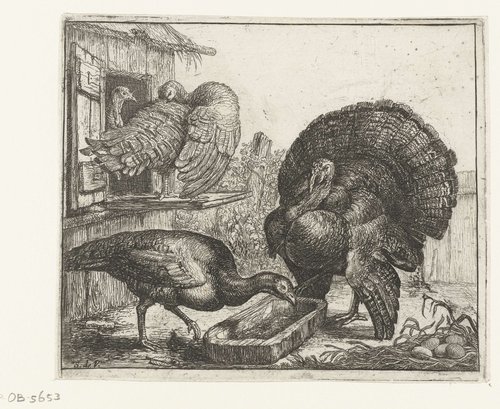
De Vlieger excelled in seascapes depicting calm estuaries, stormy coasts, and bustling harbors with meticulously rendered vessels, as seen in *A Dutch Man-of-war and Various Vessels in a Breeze* (c. 1645, National Gallery, London), *Estuary at Day's End* (c. 1640–1645, National Gallery of Art, Washington), and *Calm Sea* (after 1640, Metropolitan Museum of Art). He also produced landscapes, portraits, and genre scenes, alongside designs for tapestries and etchings, working in the realist tradition of Dutch marine art that emphasized North Sea weather and ship construction accuracy.
Buried in Weesp on March 13, 1653, de Vlieger's legacy endures as a pivotal figure bridging earlier tonal mariners and later masters; his pupils included Willem van de Velde the Younger, Adriaen van de Velde, and Jan van de Cappelle, who adopted his refined depictions of light and tranquility on water. Recognized in the 1630s–1640s as one of the Netherlands' premier maritime artists, his innovations in color and detail elevated the genre, influencing generations and securing his place in collections worldwide.