Ctrl K
1599
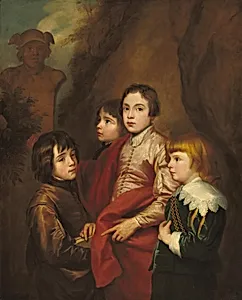
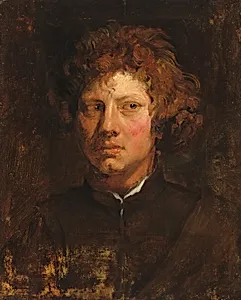
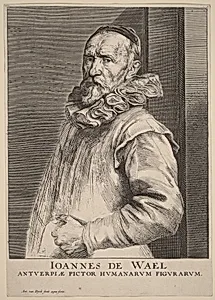
Sir Anthony van Dyck (1599–1641) was a Flemish painter who became one of the most important portraitists in the history of European art. Born in Antwerp, he showed extraordinary precocious talent and entered the workshop of Peter Paul Rubens as a teenager, quickly becoming Rubens's most gifted assistant and an independent master in his own right by the age of eighteen.
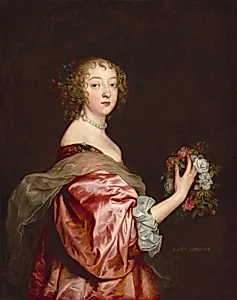
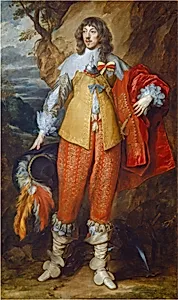
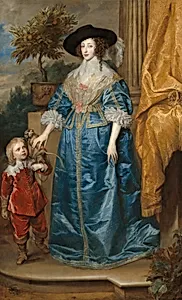
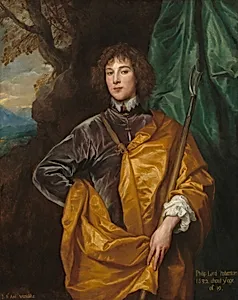
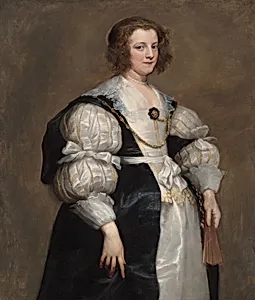
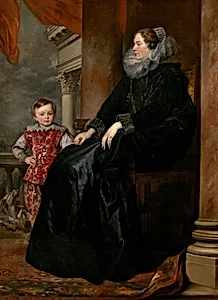
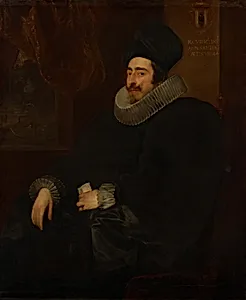
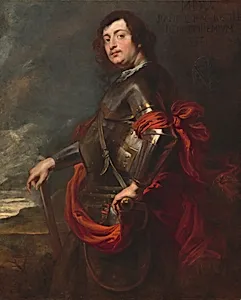
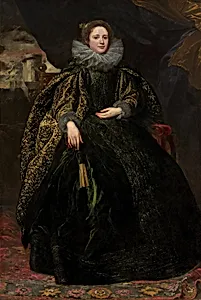
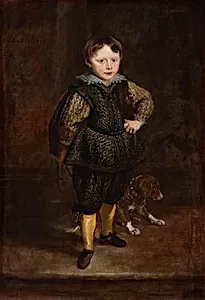
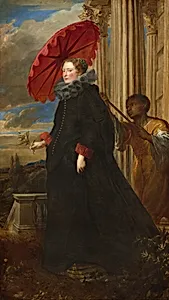
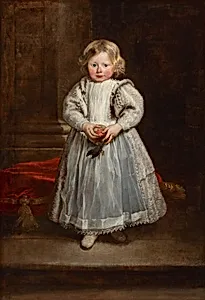
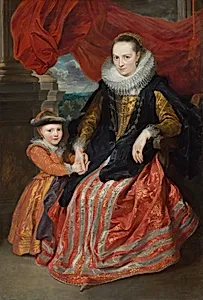
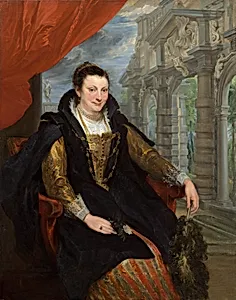
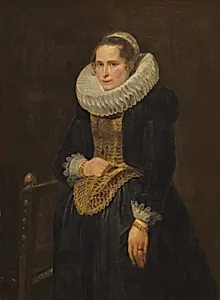
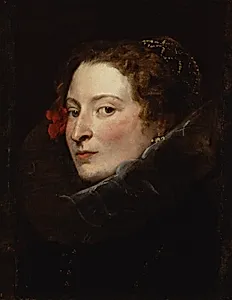
Van Dyck spent formative years in Italy (1621–27), particularly in Genoa, where he painted a series of aristocratic portraits that established the template for grand-manner portraiture: full-length figures in elegant poses, set against architectural or landscape backgrounds, rendered with a fluid, silvery brushwork that distinguished his style from Rubens's more muscular technique. His Italian portraits transformed the genre, combining aristocratic dignity with psychological subtlety.
In 1632, Van Dyck moved to England at the invitation of King Charles I, who knighted him and appointed him Principal Painter in Ordinary. His portraits of Charles I — particularly the great triple portrait and the equestrian portraits — defined the visual image of the Stuart monarchy and became the model for English portraiture for the next two centuries. His depictions of the English court aristocracy, with their languid elegance, elongated proportions, and shimmering silks, established conventions that influenced Gainsborough, Reynolds, and Lawrence.
Van Dyck died in London at forty-two, but his influence was immense. He virtually invented the English portrait tradition and his conception of aristocratic portraiture shaped the genre across Europe for generations. His paintings are held by the National Gallery in London, the Frick Collection, the National Gallery of Art in Washington, the Louvre, and major museums worldwide.