
Maddalena Cattaneo
Medium
oil on canvas
Dimensions
overall: 122.5 x 84.1 cm (48 1/4 x 33 1/8 in.) framed: 163.2 x 125.1 cm (64 1/4 x 49 1/4 in.)
Classification
Painting
Department
CNE-B
Museum
National Gallery of Art, Washington, D.C.
Credit
Widener Collection
Accession Number
1942.9.94
Rights
Public Domain
Art Historical Context
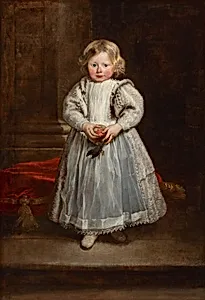
**Maddalena Cattaneo**, painted by Sir Anthony van Dyck in 1623, the poised elegance of a Genoese noblewoman during the artist's formative years in Italy. At just 24, van Dyck had already absorbed the grandeur of his mentor Peter Paul Rubens while immersing himself in Genoa'sulent aristocracy. This oil-on-canvas portrait, measuring 122.5 x 84.1 cm, exemplifies his early mastery, showcasing the city's wealthy elite who commissioned such works to affirm their status amid the Baroque era's dramatic flair. Van Dyck's technique shines through loose, fluid brushstrokes that lend a lifelike vitality to Cattaneo's features—her direct gaze and subtle expression conveying quiet confidence and introspection. The rich textures of her gown and jewelry highlight oil painting's versatility for conveying luxury and depth, a hallmark of Flemish Baroque portraiture. This piece reflects van Dyck's innovative blend of realism and idealism, bridging Northern precision with Italian sensuality. Housed in the National Gallery of Art's Widener Collection, *Maddalena Cattaneo* offers a window into 17th-century Europe's cultural crossroads, where portraiture became a tool for social display. Visitors will appreciate its timeless allure, inviting reflection on the women who shaped Renaissance Italy's legacy.
About the Artist
Sir Anthony van Dyck · 1599–present
Sir Anthony van Dyck (1599–1641) was a Flemish painter who became one of the most important portraitists in the history of European art. Born in Antwerp, he showed extraordinary precocious talent and entered the workshop of Peter Paul Rubens as a teenager, quickly becoming Rubens's most gifted assistant and an independent master in his own right by the age of eighteen. Van Dyck spent formative ye...