Ctrl K
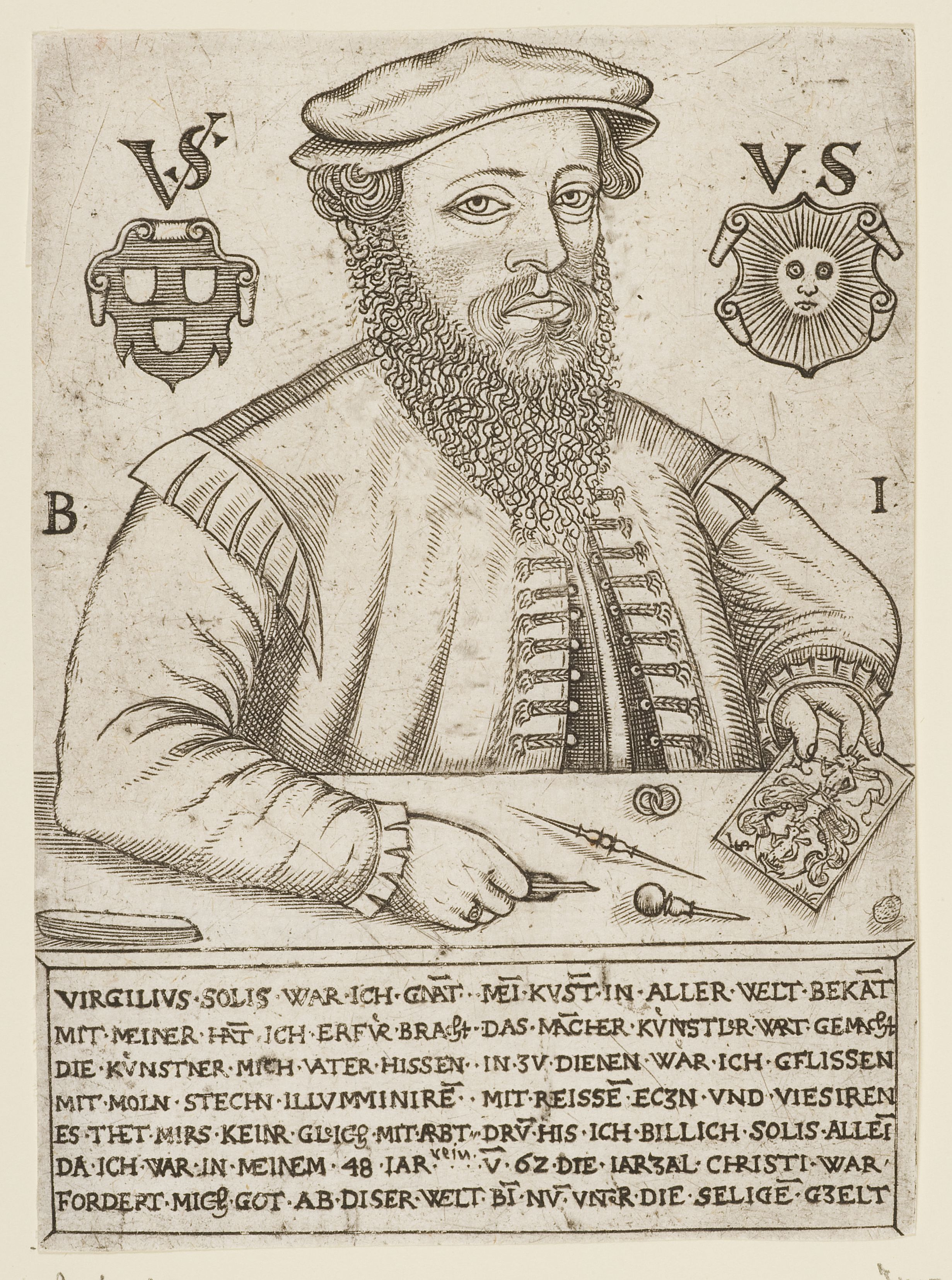
1514–1562
Occupations
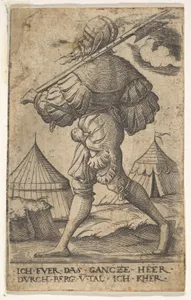
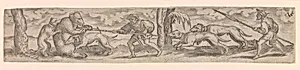
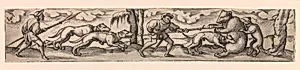
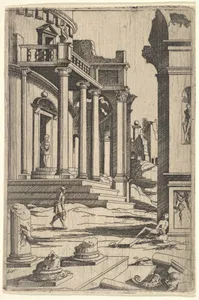
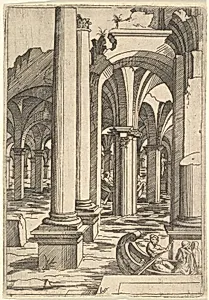
Virgil Solis the Elder (1514–1562), a cornerstone of Nuremberg's Renaissance printmaking scene, was born and died in that bustling center of the Holy Roman Empire. A member of a prolific family of artists, he established a thriving workshop by 1539, producing over 2,000 prints, drawings, etchings, engravings, and woodcuts—many signed with his distinctive monogram, though often executed by assistants. His widow continued the enterprise after his death on August 1, 1562, marrying his chief assistant and sustaining its output into the seventeenth century.
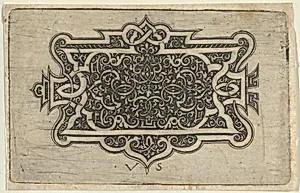
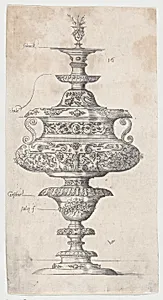
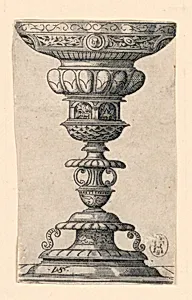
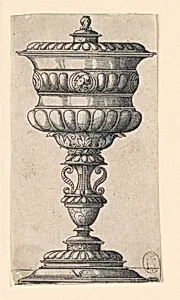
Little is documented about Solis's early life and training, with origins remaining unclear amid Nuremberg's vibrant artistic community influenced by masters like Albrecht Dürer. He worked in the robust tradition of the city's engravers, employing strong outlines and simple hatching in his early style to create commercially appealing images on diverse subjects, from mythology to ornamentation. Solis excelled at absorbing and reinterpreting styles from predecessors like Dürer, Peter Flötner, Sebald Beham, and French artist Bernard Salomon, blending German precision with Italian and French flair. His ornamental designs—mixing fantastical animals and vegetation—revolutionized crafts, serving as models for goldsmiths, furniture makers, and jewelers who abandoned rigid classical motifs for his inventive forms.
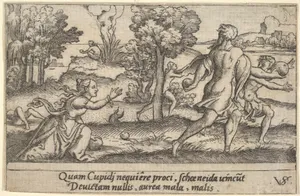
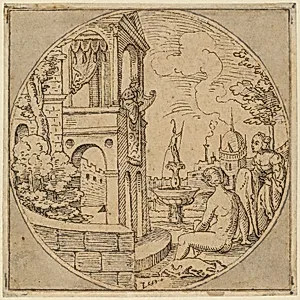
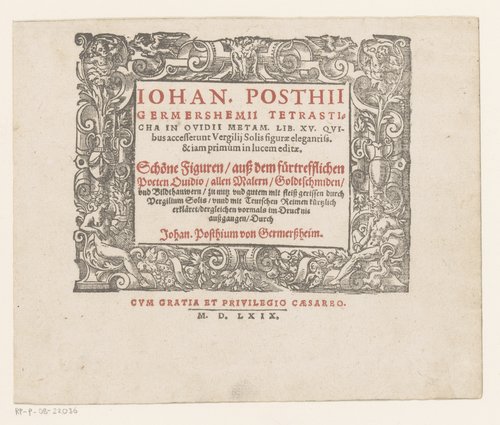
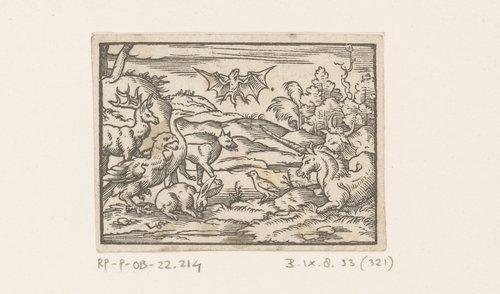
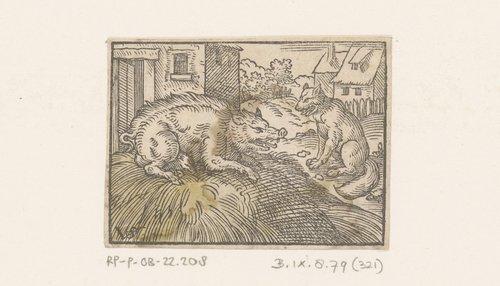
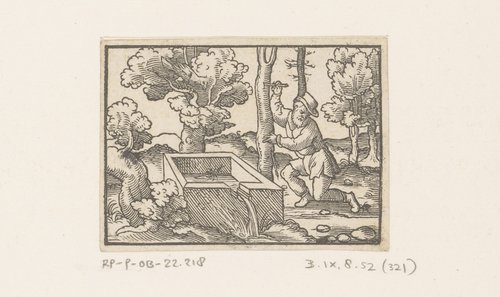
Among his masterpieces are the woodcuts for Ovid's *Metamorphoses*, notably the 1562 illustrations for Book V and the expansive 1581 Frankfurt edition with 183 images, which borrowed motifs from Salomon but achieved widespread influence through reprints and copies in multiple languages. Other key series include the 1555 *Wappenbüchlein* (Armorial of the Holy Roman Empire) and the 1562 *Biblische Figuren* for both Old and New Testaments, alongside standalone prints like biblical scenes and mythological etchings.
Solis's legacy endures as one of Nuremberg's most prolific printmakers, whose workshop—employing talents like Jost Amman—democratized art through affordable, versatile prints that shaped book illustration, decorative arts, and popular iconography across Europe. His designs bridged fine art and craft, influencing generations long after his workshop's close.
Wikidata/Wikimedia Commons