Ctrl K
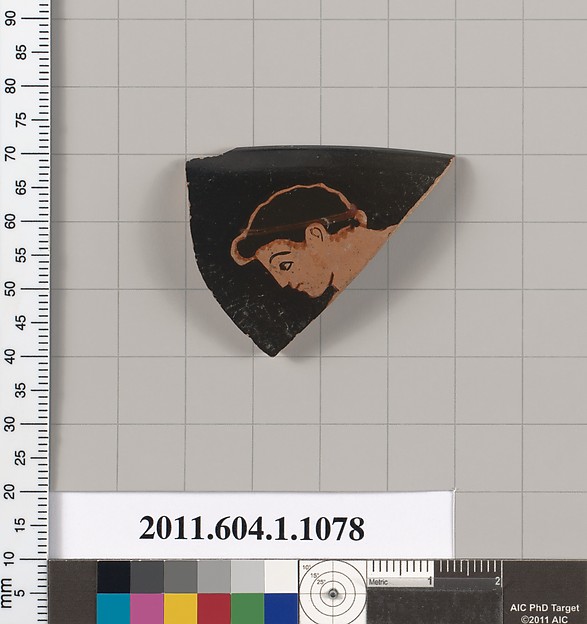
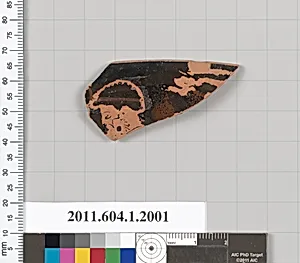
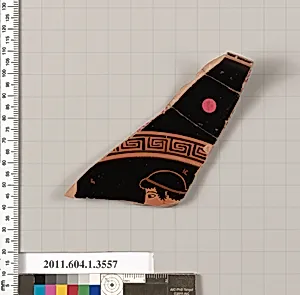
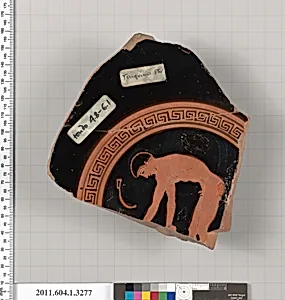
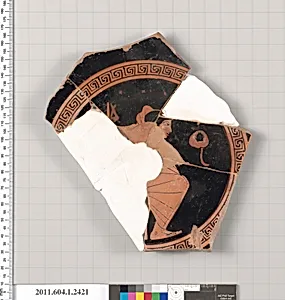
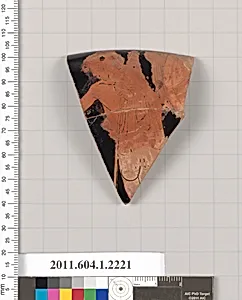
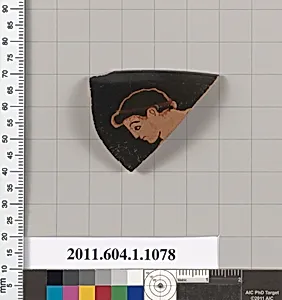
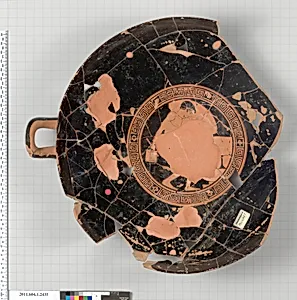
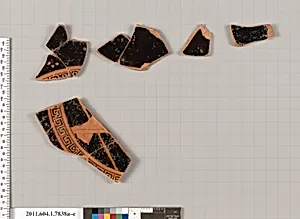
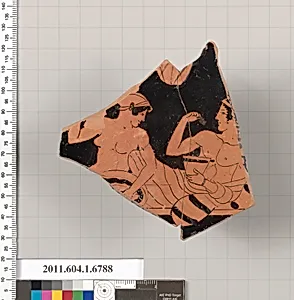
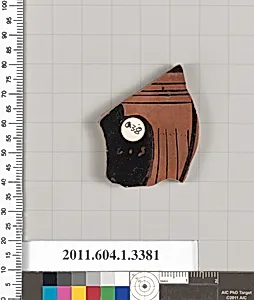
The Tarquinia Painter was an ancient Athenian vase painter working in the red-figure technique during the early Classical period, specifically around 470-460 BCE. Like most ancient Greek vase painters, this artist never signed their work, and their artistic identity has been reconstructed by modern scholars, particularly John Beazley, through careful stylistic analysis of unsigned pottery. The painter's conventional name derives from their type-piece, a vase catalogued as Tarquinia RC 1121, which is housed in the Museo Nazionale in Tarquinia, Italy. The Tarquinia Painter's work exemplifies Athenian red-figure pottery at its technical and artistic peak. Red-figure technique, invented in Athens around 530 BCE, allowed painters greater freedom and detail than the earlier black-figure method by painting figures in the natural red color of the clay against a black background. The Tarquinia Painter's oeuvre demonstrates sophisticated understanding of human anatomy, graceful composition, and the narrative possibilities of vase decoration. Works attributed to this artist can be found in major museum collections worldwide, including the Metropolitan Museum of Art (which holds seventeen attributed pieces, primarily terracotta fragments of kylixes or drinking cups and amphorae or jars), the J. Paul Getty Museum, and the British Museum. These attributions represent the scholarly reconstruction of an ancient artistic personality through the systematic study of stylistic traits, technique, and compositional habits across numerous unsigned vessels.
The Tarquinia Painter was active during the early mid-fifth century BCE, a period of tremendous artistic achievement in Classical Athens. This was the generation following the Persian Wars (490-479 BCE), when Athens was consolidating its position as the leading Greek city-state and its cultural production was flourishing. The painter worked in the red-figure technique, which had by this time superseded black-figure as the dominant method for decorated pottery. The Tarquinia Painter created kylixes (drinking cups), amphorae (storage jars), and other vessel types decorated with mythological scenes, everyday life subjects, and other imagery typical of Athenian vase painting. The painter's work circulated throughout the ancient Mediterranean world through Athens' extensive trade networks, with examples eventually reaching Etruscan Italy, where the type-piece was discovered.
Artheon Research Team
Last updated: 2025-11-09
Biography length: ~465 words
Wikidata (CC0); Getty ULAN (ODC-By)