Ctrl K
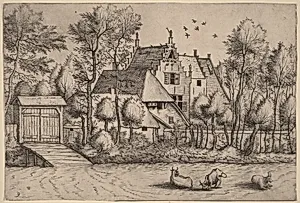
**Johannes van Doetechum the Elder and Lucas van Doetechum: Masters of the Small Landscapes**
Johannes van Doetechum the Elder, born around 1530 in Deventer in the northern Netherlands, and his brother Lucas, active from 1554, formed one of the most prolific engraving teams of the 16th-century Netherlandish Renaissance. Hailing from a family of printmakers—Johannes was the son of Jan ter Heghe and later father to engravers Joannes the Younger and Baptista—the brothers relocated to Antwerp, the bustling printmaking hub, where they collaborated extensively for publishers like Hieronymus Cock. There, amid the religious and political upheavals of the Dutch Revolt, they pioneered a distinctive etching technique that mimicked the precision of copper engraving, producing finely toned landscapes and ornaments with remarkable efficiency.
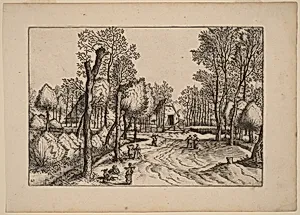
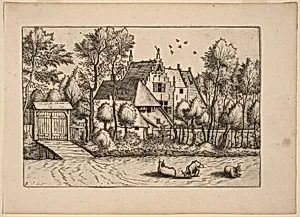
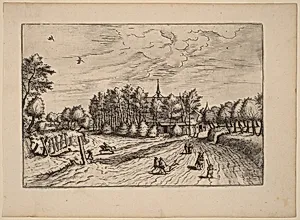
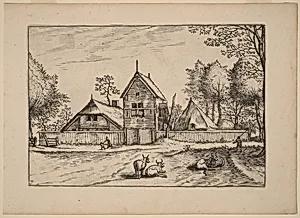
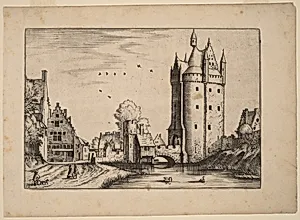
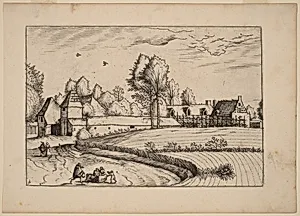
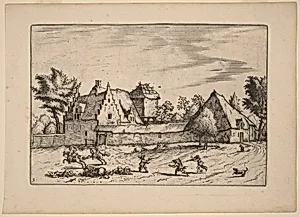
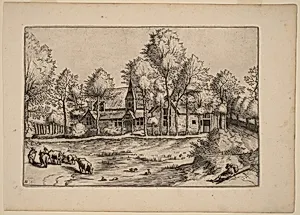
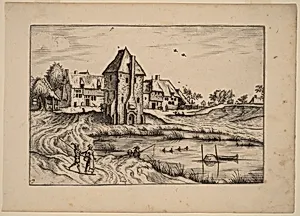
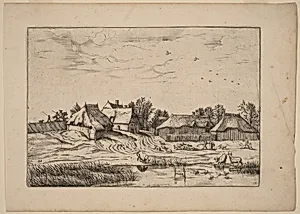
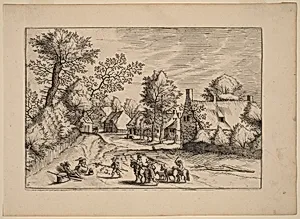
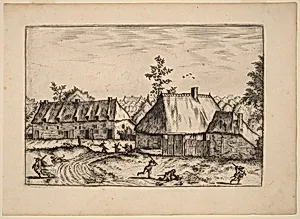
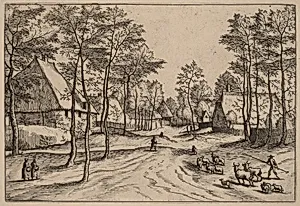
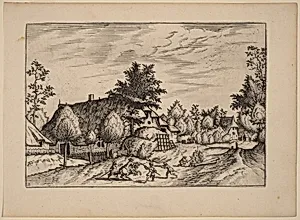
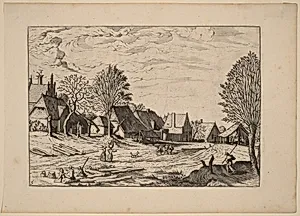
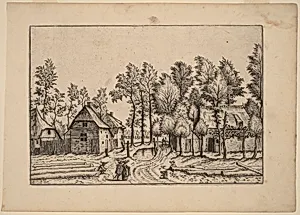
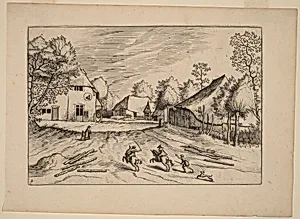
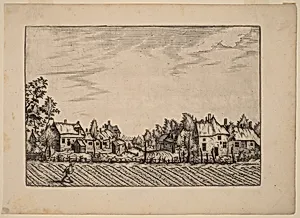
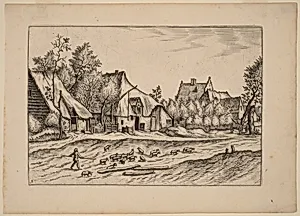
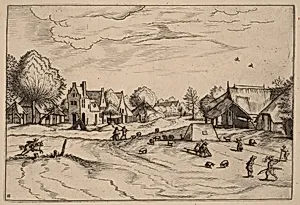
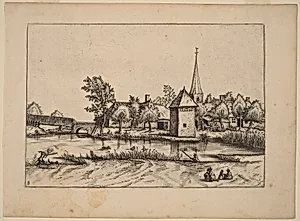
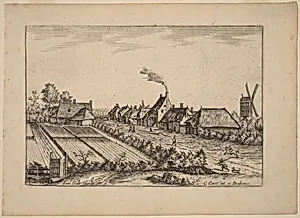
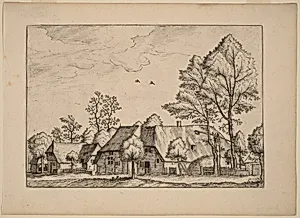
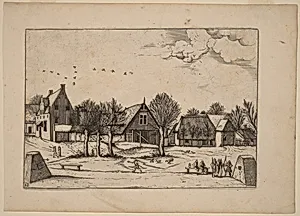
Their most celebrated contribution was the engraving of the *Small Landscapes* series, a groundbreaking set of 44 prints after the anonymous Flemish Master of the Small Landscapes. Published by Cock in Antwerp in two parts—14 sheets in 1559 (*Multifarium casularum ruriumque lineamenta*) and 30 in 1561 (*Praediorum villarum et rusticarum caularum icons*)—these works depicted realistic, eye-level views of rural farms, villages, and cottages near Antwerp, populated with peasants, animals, and everyday activities. Departing from the grand, fantastical "world landscapes" of predecessors like Joachim Patinir, the series championed intimate, humanist scenes that elevated landscape as an independent genre, influencing later Dutch and Flemish painters. Iconic plates include *Farm with Shed and Draw Well* and *Village Street*, rendered in etching and engraving for subtle atmospheric depth.
Beyond the *Small Landscapes*, the van Doetechums reproduced designs after luminaries like Pieter Bruegel the Elder (*Large Landscapes*, ca. 1555–57), Cornelis Floris, and Hans Vredeman de Vries, producing ornamental friezes, architectural fantasies, and maps such as those in *Veelderleij niewe inventien van antijcksche sepultueren* (1557). Lucas died before 1589, prompting Johannes to return north around 1583, settling in Haarlem by 1578–1605, where he continued with his sons on voyage illustrations for Jan Huygen van Linschoten and sea charts by Lucas Waghenaer. Their reproductive prints democratized innovative designs, fostering the explosive growth of Netherlandish print culture and the van Doetechum dynasty's enduring legacy in etching innovation and landscape dissemination.(Word count: 378)