Ctrl K
1859–1923
Théophile Alexandre Steinlen, born on November 10, 1859, in Lausanne, Switzerland, hailed from a family with artistic roots; his grandfather, Christian Gottlieb Steinlen, was a painter and draftsman. After two years studying theology at the University of Lausanne, he trained in industrial ornamental drawing in Mulhouse under Schoenhaupt and worked as a designer trainee at a textile mill. Encouraged by the painter François Bocion, Steinlen married Émilie Mey and moved to Paris in 1881, settling in Montmartre by 1883, where he immersed himself in the bohemian scene.
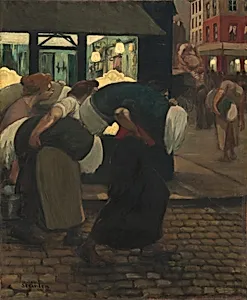
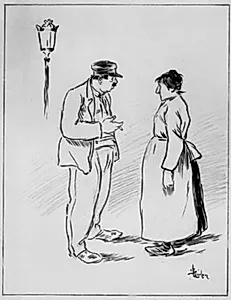
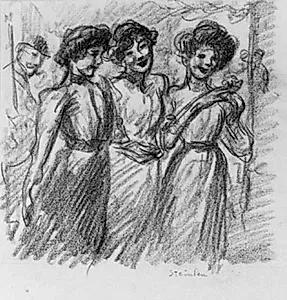
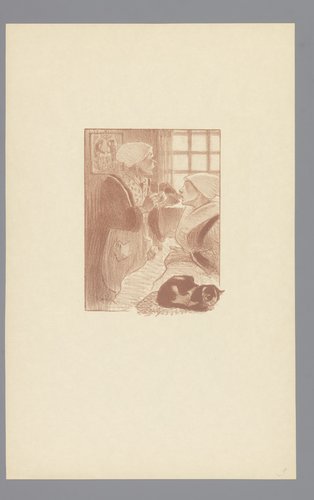
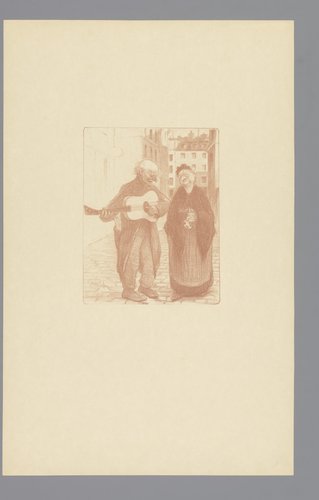
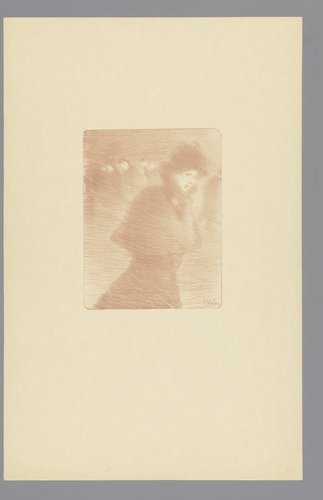
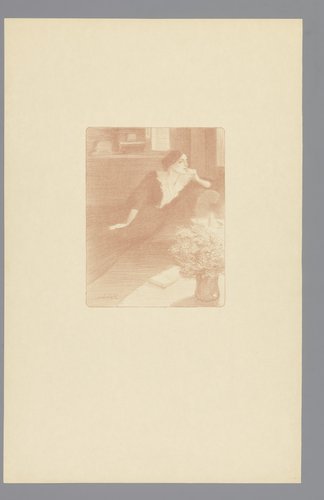
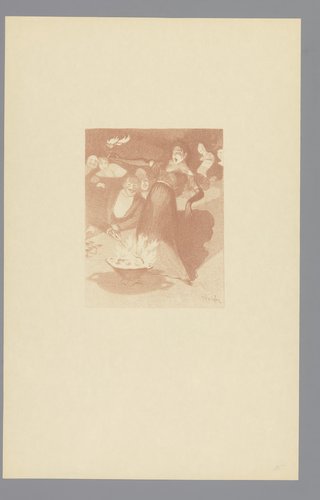
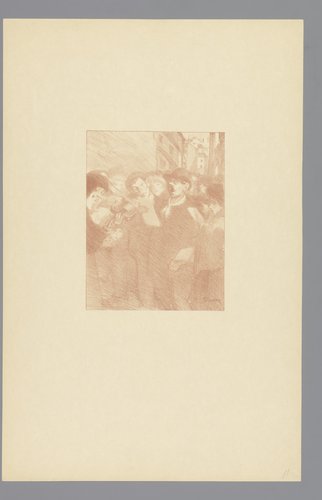
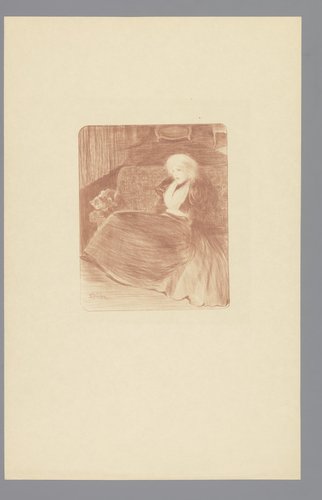
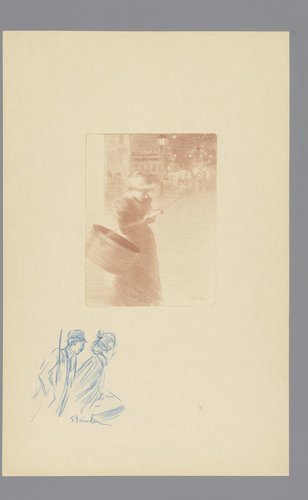
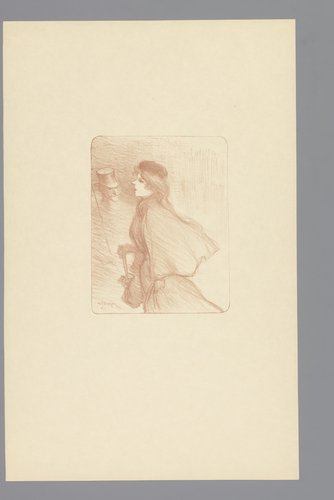
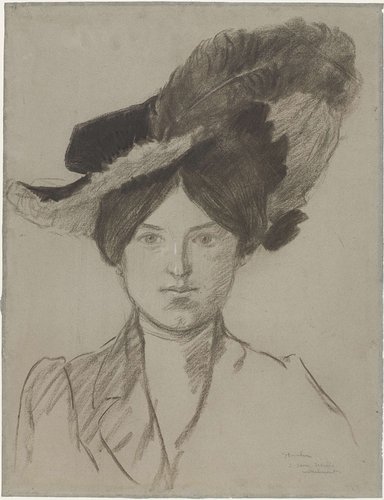
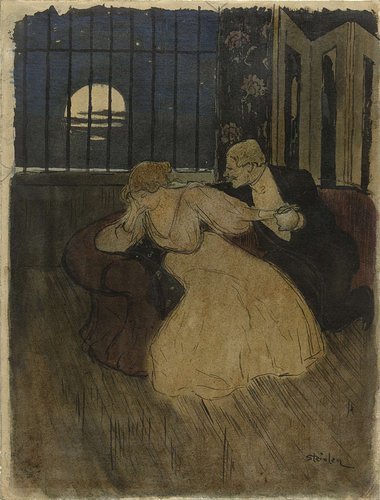
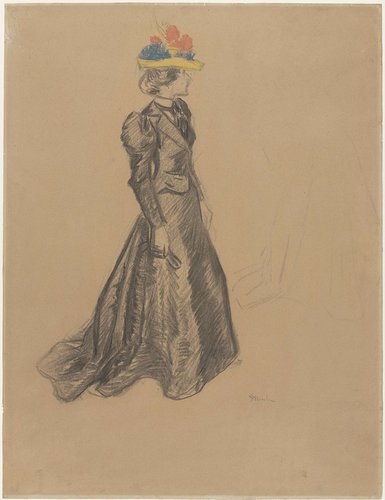
In Paris, Steinlen befriended Adolphe Willette, who introduced him to the Chat Noir cabaret, leading to iconic commissions from owner Rodolphe Salis and singer Aristide Bruant. A key figure in the Art Nouveau movement, he excelled as a painter, printmaker, illustrator, and sculptor, blending realism with expressive lines to capture Montmartre's gritty street life, working-class struggles, and tender domestic scenes—often featuring his daughter Colette. His posters, such as *La Tournée du Chat Noir* (1896) and *Lait pur stérilisé de la Vingeanne* (1897), epitomized the era's bold lithography, while paintings like *Les Éléments: Formes et couleurs* (1900) and *Poilu* (1917) showcased his evolving style.
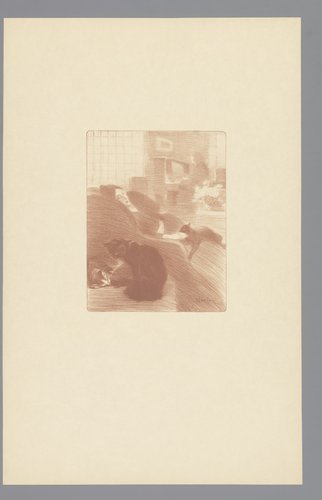
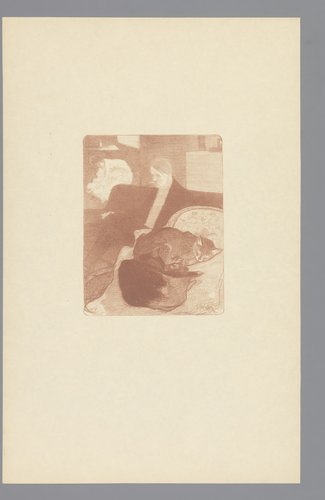
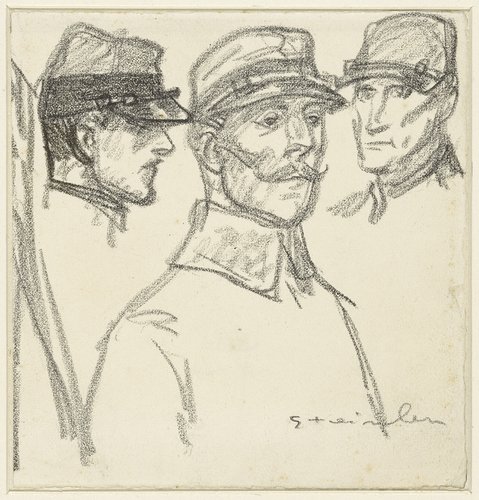
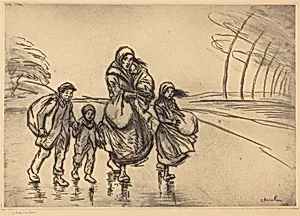
An avowed anarchist and socialist, Steinlen contributed politically charged illustrations to *L'Assiette au beurre*, *Gil Blas*, and *Les Temps nouveaux*, critiquing social ills, the Dreyfus Affair, and World War I's human toll in works like *Mobilization, or La Marseillaise* (1915) and *The Exodus—1915*. His lifelong fascination with cats appeared in sculptures like *Chat angora assis*, paintings such as *Chat sur un fauteuil*, and the book *Dessins Sans Paroles Des Chats*.
Steinlen's legacy endures in museums worldwide, including the Hermitage and National Gallery of Art, influencing artists like Pablo Picasso with his empathetic portrayals of the marginalized. Naturalized French in 1901, he died in Paris on December 13, 1923, and was buried in Montmartre's Cimetière Saint-Vincent; a monument in Square Joël Le Tac honors his contributions to art and social commentary.