Ctrl K
1753–1828
Thomas Bewick (c. 11 August 1753–8 November 1828) was born at Cherryburn in Mickley, Northumberland, the eldest of eight children to tenant farmers John and Jane Bewick. From a young age, he displayed a natural talent for drawing animals and birds observed in the local countryside, without formal art lessons. At age 14 in 1767, he was apprenticed to metal engraver Ralph Beilby in Newcastle upon Tyne, where he spent seven years learning to engrave on wood and metal, producing diagrams, cutlery designs, and illustrations for books. Bewick's brother John became his first apprentice, and later he partnered with Beilby, taking over the workshop and training over 30 apprentices, including his son Robert Elliot Bewick, John Anderson, Luke Clennell, Charlton Nesbit, and William Harvey.
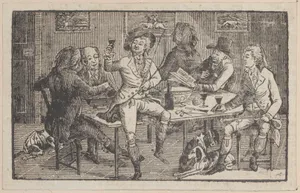
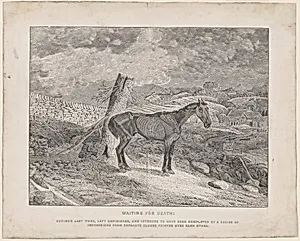
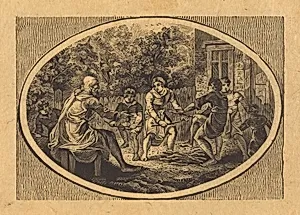
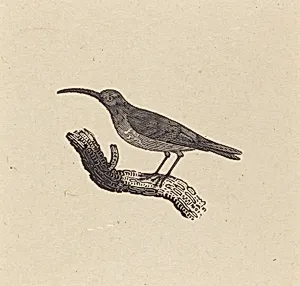
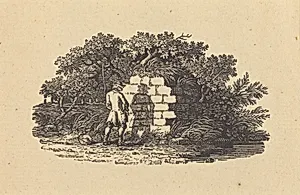
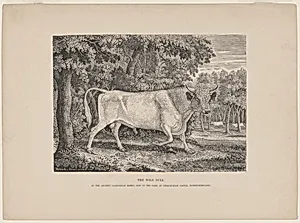
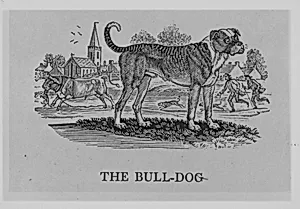
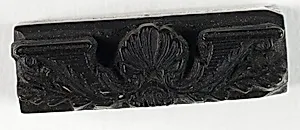
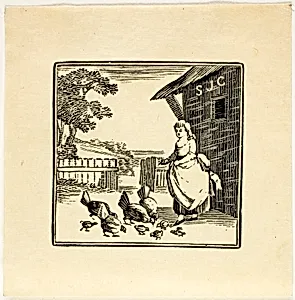
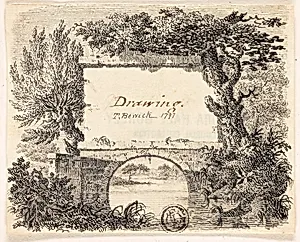
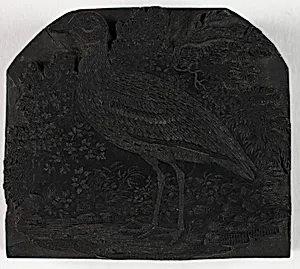
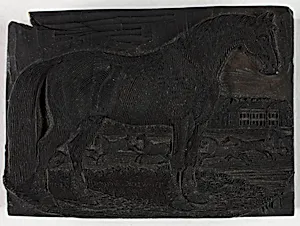
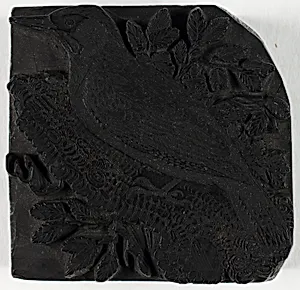
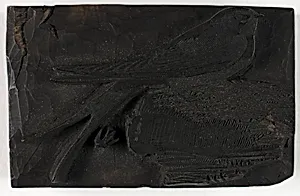
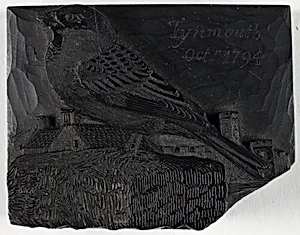
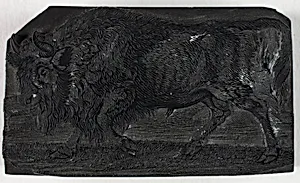
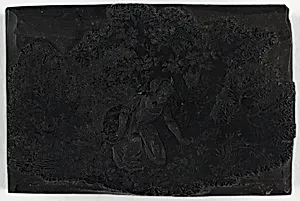
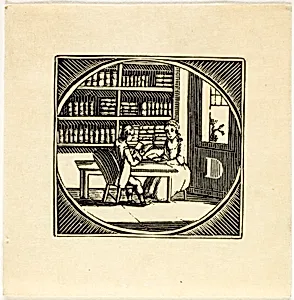
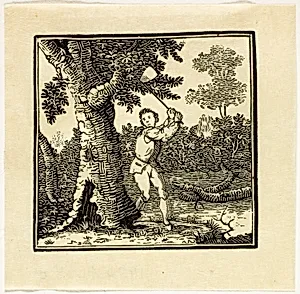
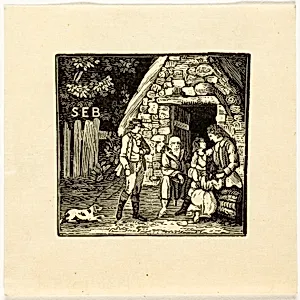
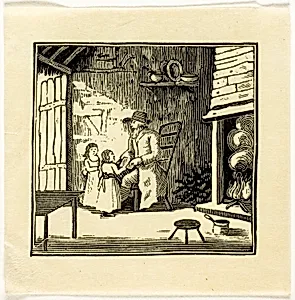
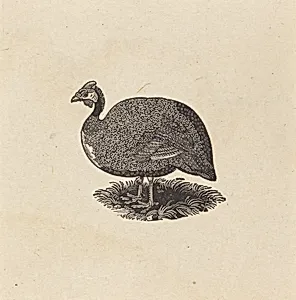
Bewick revolutionized wood engraving by using fine metal burins on the end-grain of boxwood blocks, enabling intricate details, tonal gradations through varied line depths, and seamless integration with letterpress printing. His naturalistic style captured wildlife with scientific accuracy and wry humor, particularly in his signature "tail-pieces"—small vignettes at chapter ends depicting rural life, human folly, and social commentary, such as a runaway cart or a thirsty traveler drinking from his hat. Major works include *A General History of Quadrupeds* (1790, co-authored with Beilby), featuring 260 mammal illustrations; *A History of British Birds* (Land Birds, 1797; Water Birds, 1804; supplement, 1821), a pioneering field guide with vivid bird portraits drawn from Northumberland observations; the *Chillingham Bull* (1789); and expanded editions of *Aesop's Fables* (1818, introducing white-line techniques).
In 1786, Bewick married childhood friend Isabella Elliott; they had four children, including daughters who helped publish his memoir posthumously. His legacy endures as the father of modern wood engraving, influencing book illustration, natural history, and artists like John Ruskin and William Wordsworth, who praised his genius. Bewick's keen observation advanced field guides, earned species names like Bewick's swan and wren, and inspired institutions from museums to a Newcastle school bearing his name. Today, his meticulous engravings remain collector's treasures, blending art, science, and social insight.