Ctrl K
1616–1677
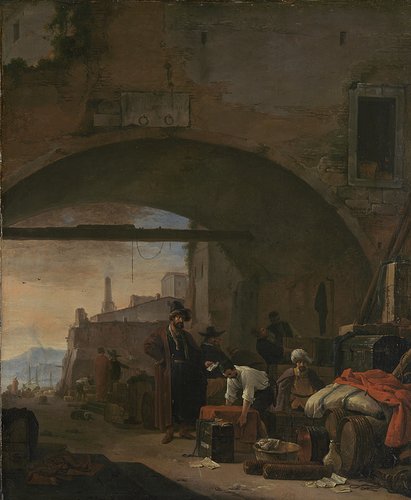
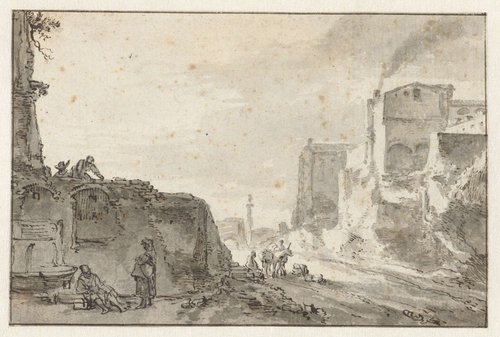
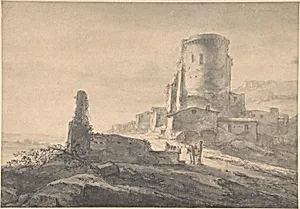
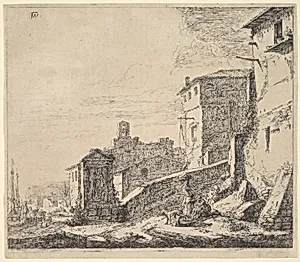
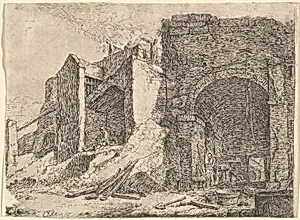
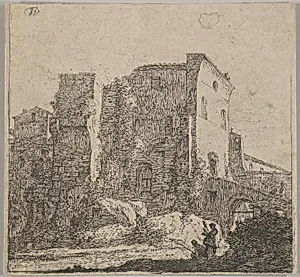
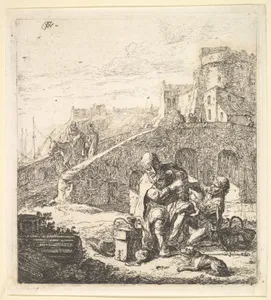
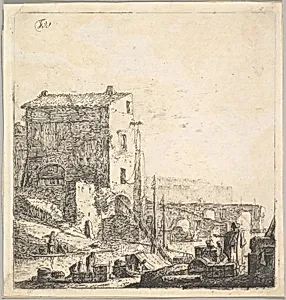
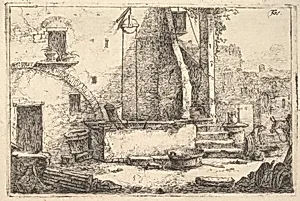
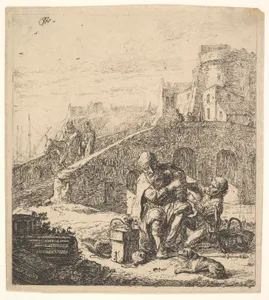
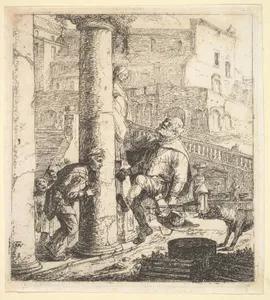
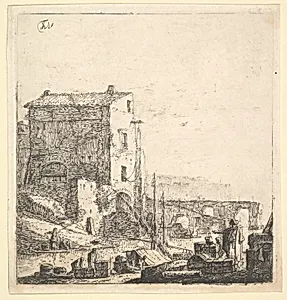
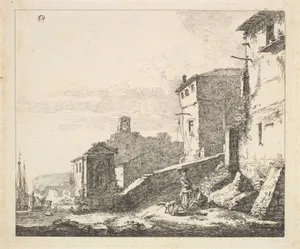
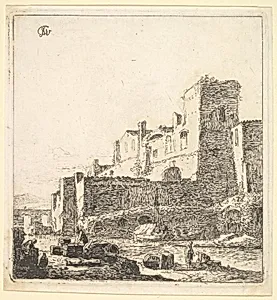
**Thomas Wijck** (also spelled Wijk or Wyck; 1616–1677) was a Dutch Golden Age painter renowned for his Italianate port scenes, genre paintings, and depictions of alchemists and scholars. Born in Beverwijk into an artist family, he received his initial training from his father before traveling to Italy around 1640. There he spent time in Rome and the environs of Naples, producing numerous sketches of coastal views and bustling harbors that later informed his paintings.
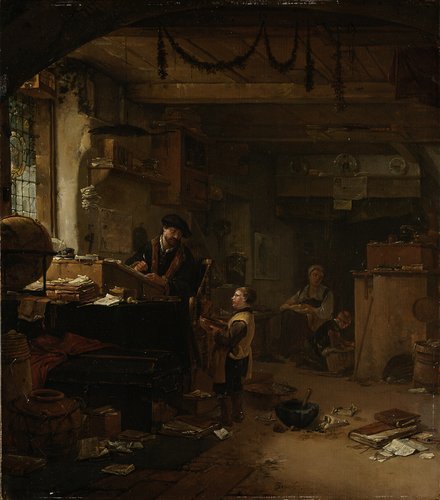
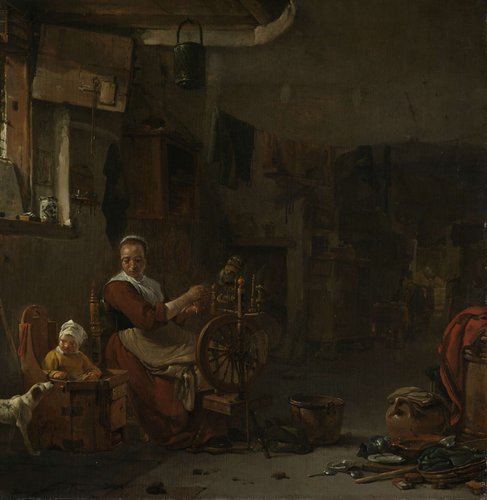
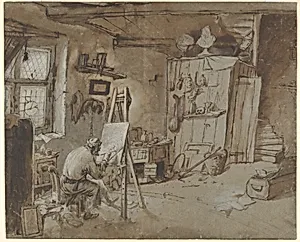
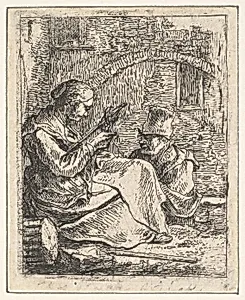
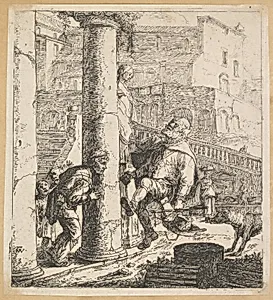
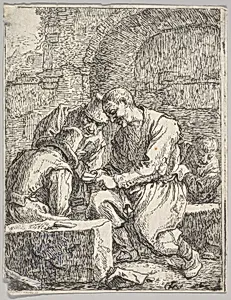
Returning to the northern Netherlands in 1642, Wijck settled in Haarlem and joined the Guild of St. Luke, rising to become its dean in 1660. His style aligned with the Bamboccianti, the loose group of Northern artists active in Rome who drew inspiration from Pieter van Laar’s lively genre scenes. Wijck excelled at lively Italianate compositions featuring shipping, seaports crowded with figures, markets, fairs, and the cluttered interiors of chemists’ laboratories and alchemists’ workshops.
Around the time of the English Restoration he traveled to England, where he painted notable London views, including scenes of the city before the Great Fire and multiple versions of the Fire itself, as well as views of the Thames from Southwark. He was followed to England by his son and pupil Jan Wyck, who remained there and helped shape English sporting painting. Wijck also taught the Haarlem-born artist Jan van der Vaart. He died in Haarlem in 1677; Pieter Mulier II was among those who followed his style. His alchemist scenes are said to have influenced later works such as Joseph Wright of Derby’s *The Alchemist Discovering Phosphorus*.
Wijck’s legacy rests on his ability to blend Dutch precision with the atmospheric light and picturesque subjects of Italy, creating engaging narratives that appealed to collectors across Europe. With twenty-six works in the museum’s collection, his paintings continue to offer vivid windows into 17th-century maritime life, scholarly pursuits, and the cross-cultural exchanges of the Dutch Golden Age.