Ctrl K
1737–1776
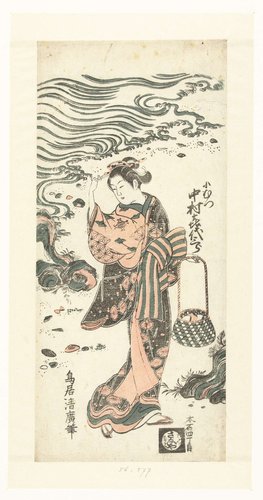
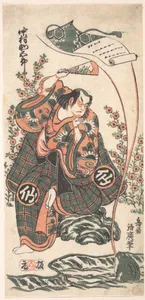
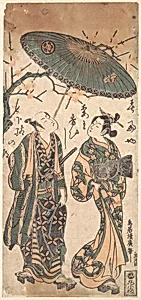
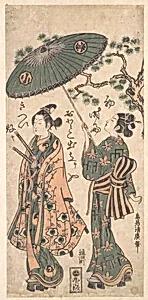
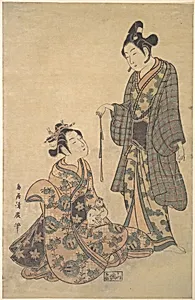
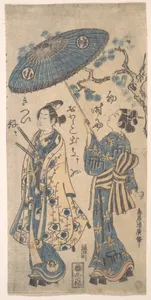
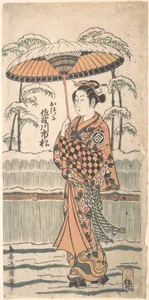
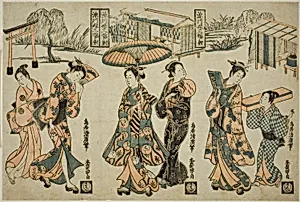
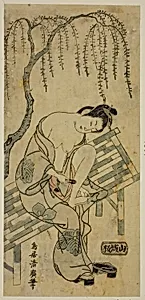
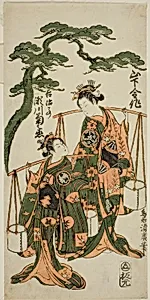
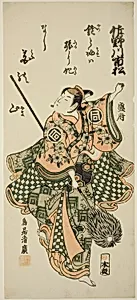
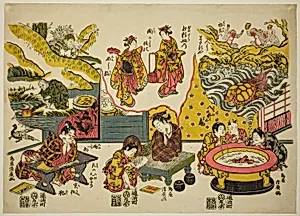
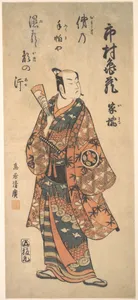
Torii Kiyohiro (active 1737–1776) was a Japanese ukiyo-e artist and a member of the celebrated Torii school, one of the oldest and most distinguished lineages in the history of Japanese woodblock printing. The Torii school had been founded in the late seventeenth century and built its reputation on the creation of billboards and illustrated programs for the Kabuki theater in Edo, and Kiyohiro carried forward this deep theatrical connection throughout his career while also producing the bijin-ga — images of beautiful women — that were among the most popular subjects of ukiyo-e art.
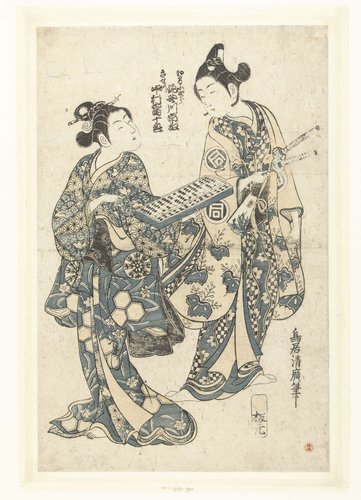
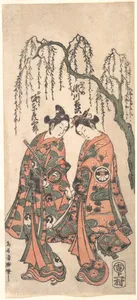
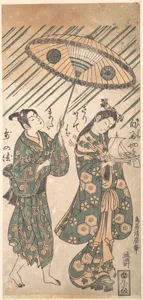
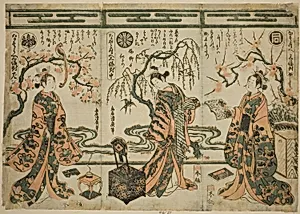
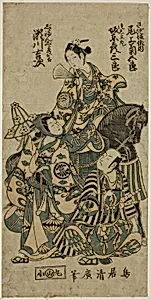
Kiyohiro worked during the period when Japanese printmaking was undergoing a technical revolution: the introduction of benizuri-e, or rose-and-green prints using two or more colors, and then the emergence of full polychrome nishiki-e printing in 1765. His work spans this transition, and he produced prints in the delicate two-color technique that are distinguished for their graceful drawing and sensitive arrangement of figure and space. His images of bijin — idealized young women in elegant costume — display the supple, slightly swaying posture and attenuated elegance that were hallmarks of the Torii school's figure style.
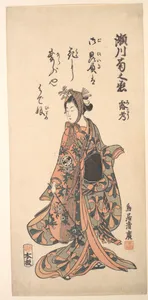
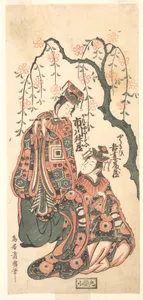
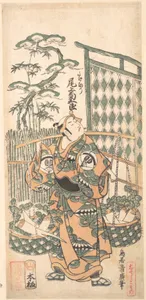
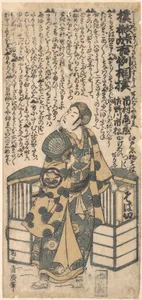
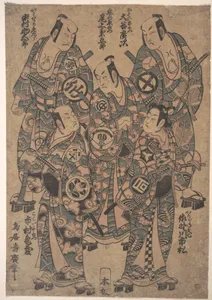
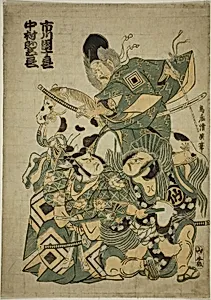
His theatrical prints, depicting actors in the exaggerated poses of Kabuki performance, also carry the distinctive dynamism and bold line associated with the Torii school's tradition of theatrical illustration. Though Kiyohiro's fame was eclipsed in his own time by contemporaries such as Suzuki Harunobu, who pioneered the full-color nishiki-e print, his benizuri-e prints are today appreciated as masterworks of the transitional period.
Kiyohiro's works are held in major museum collections in Japan, North America, and Europe, and he is recognized as an important figure in the evolution of Japanese printmaking during one of its most dynamic periods of technical and aesthetic development.