Ctrl K
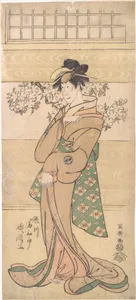
1794–1795
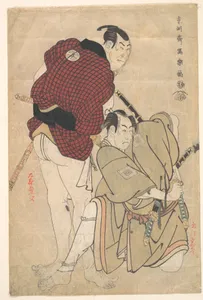
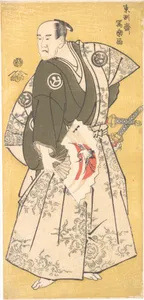
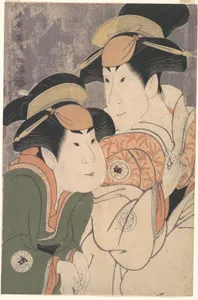
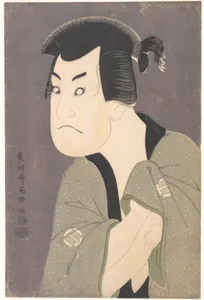
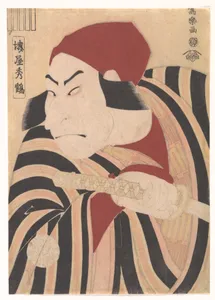
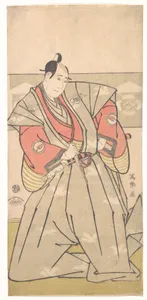
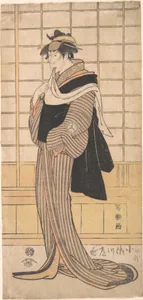
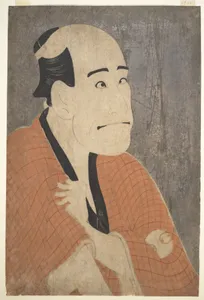
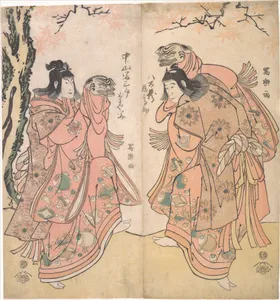
Tōshūsai Sharaku stands as one of the most enigmatic figures in Japanese art history, a ukiyo-e printmaker whose brilliant career blazed for just ten months from the summer of 1794 to early spring 1795. Active exclusively in Edo (modern Tokyo), he produced approximately 150 woodblock prints and sketches, primarily yakusha-e—intimate portraits of kabuki actors captured mid-performance. Published by the prominent Tsutaya Jūzaburō, Sharaku's designs revolutionized actor portraiture within the ukiyo-e tradition of depicting the "floating world" of pleasure and theater. His true identity remains unknown, with unproven theories suggesting he might have been a Noh actor like Saitō Jūrōbei from Awa province; his early life and training are not well documented, revealing no apprenticeships, mentors, or affiliations with specific schools.
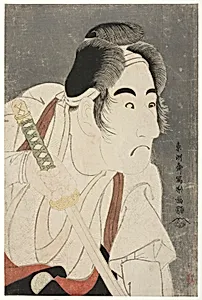
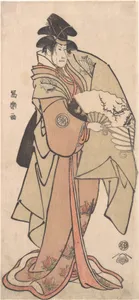
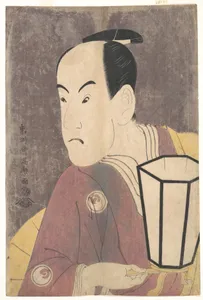
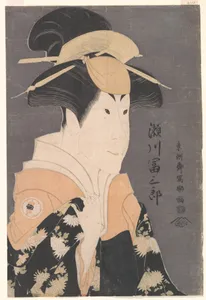
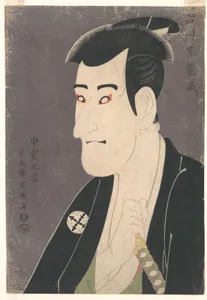
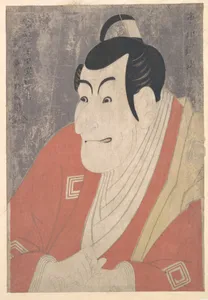
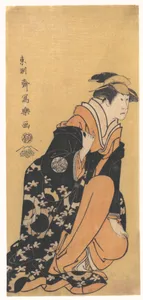
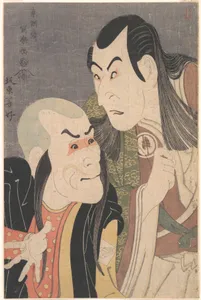
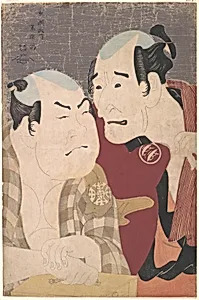
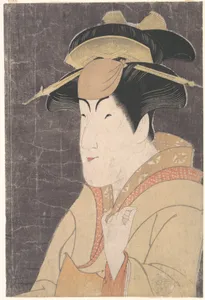
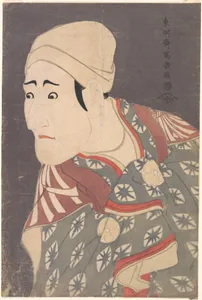
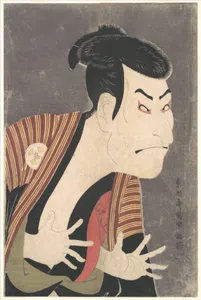
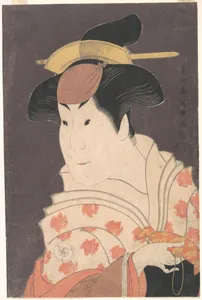
Sharaku's style shattered conventions with its raw psychological intensity and unflinching realism. Unlike contemporaries such as Kitagawa Utamaro, who idealized beauties, Sharaku rendered actors with exaggerated features—prominent noses, furrowed brows, thick necks, and strained muscles—emphasizing their individual personalities and emotional depths over flattery. His ōkubi-e (large-head portraits) feature dynamic, off-kilter poses, stark black mica grounds (later white or yellow), and bold lines that convey motion and inner turmoil, as if freezing actors in transitional moments of rage, cunning, or pathos. This caricatural edge, paired with innovative techniques like mica dusting, imbued his works with a modern expressiveness that anticipated Western portraiture.
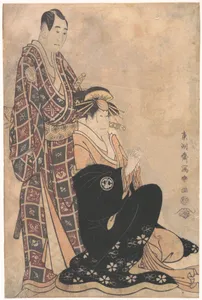
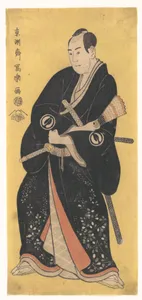
Among his masterpieces are the iconic *Kabuki Actor Ōtani Oniji III as Yakko Edobei* (1794), a leering manservant from *The Colored Reins of a Loving Wife*, with its groping hands and bristling hair capturing ruthless villainy; *Sawamura Sōjūrō III as Ōgishi Kurando* (1794); and *Segawa Kikunojō III as Oshizu* (1794), both from the popular Soga-themed play *Hana-ayame Bunroku Soga*. Other highlights include *Ichikawa Ebizō IV as Takemura Sadanoshin* (1794) and sumo wrestler prints like *Daidōzan Bungorō Enters the Sumo Ring* (triptych, 1794–95), showcasing his versatility beyond theater.
Though contemporary audiences and critics dismissed his "ugly" truths—leading to his abrupt disappearance—Sharaku's legacy endures as a pinnacle of ukiyo-e innovation. Rediscovered in the West, his prints were hailed by scholars like Julius Kurth as rivaling Rembrandt and Velázquez, fetching record auction prices (e.g., €389,000 for *Arashi Ryūzō II as Ishibe Kinkichi* in 2009). Today, with around 158 surviving works, including 119 in major collections, Sharaku inspires awe for transforming kabuki ephemera into timeless psychological studies.