Ctrl K
1875–1962
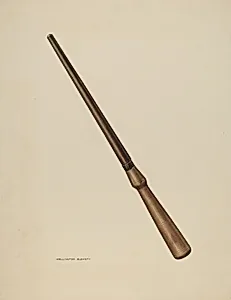
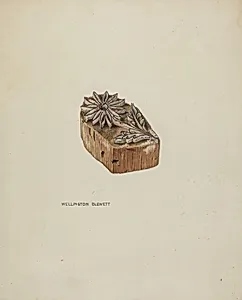
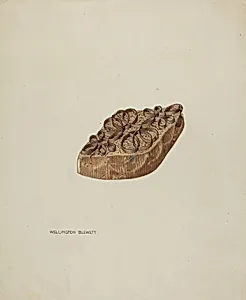
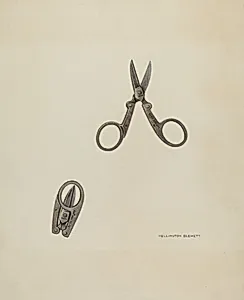
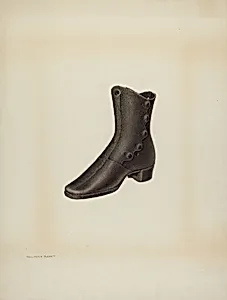
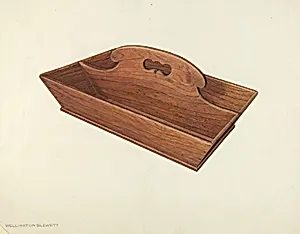
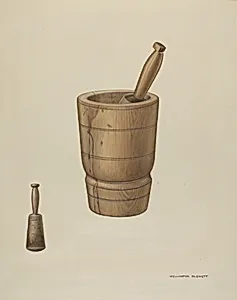
**Wellington Blewett (1875–1962)** was a Canadian-born American artist renowned for his meticulous watercolor renderings of everyday American folk objects. Active primarily in the late 1930s, Blewett contributed significantly to the Index of American Design, a Federal Art Project under the Works Progress Administration (WPA) that sought to document the nation's vernacular artistic heritage through precise technical drawings. His early life and artistic training remain not well documented, with no records of formal art schools, teachers, or mentors identified in available sources. Likely self-taught or regionally trained, Blewett emerged in Illinois, where he focused on objects tied to immigrant communities, particularly the Swedish utopian colony at Bishop Hill.
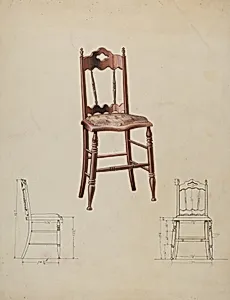
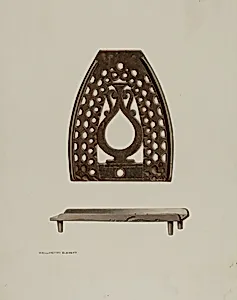
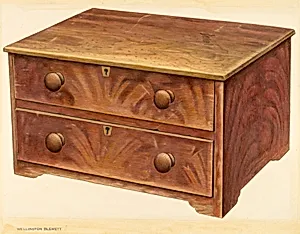
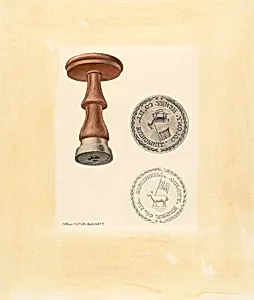
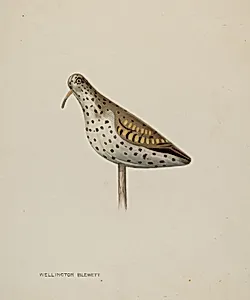
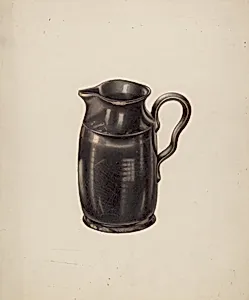
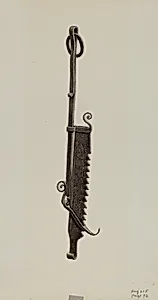
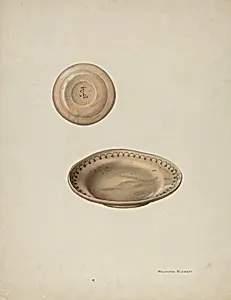
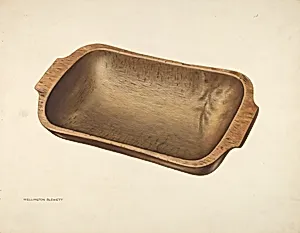
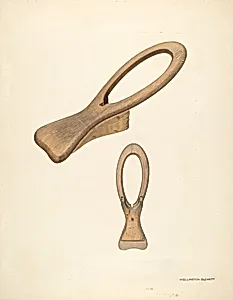
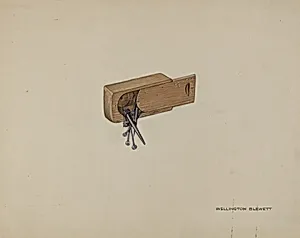
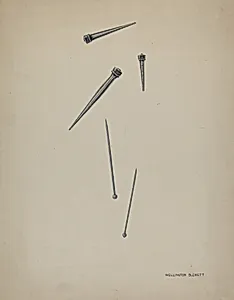
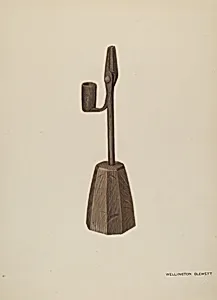
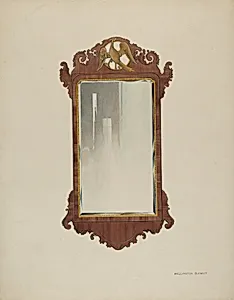
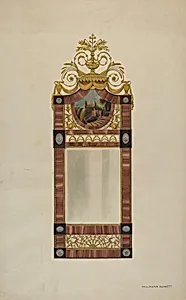
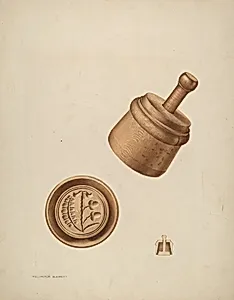
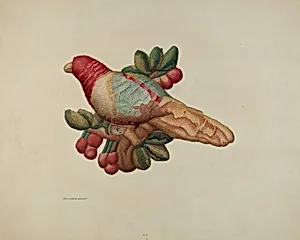
Blewett's style exemplified the Index's emphasis on accurate, objective representation, blending watercolor, graphite, pen and ink, gouache, and colored pencil to capture textures, forms, and historical details of utilitarian items. He eschewed romanticism for clinical precision, rendering shadows, grains, and patinas with scientific fidelity. Among his major works are *Chair* (c. 1936), a depiction of a simple wooden seat; *Bootjack* (c. 1937), showcasing carved functionality; and *Flask* (c. 1936), highlighting ceramic craftsmanship. A substantial series documents Bishop Hill artifacts, including *Bishop Hill: Chair* (c. 1936), *Bishop Hill: Chest* (1939), and *Bishop Hill: Bed* (c. 1936), preserving the colony's painted furniture and tools that reflect Scandinavian-American design traditions. Other notable pieces feature household essentials like *Chopping Bowl* (c. 1937), *Mirror* (c. 1937), and *Trammel* (c. 1938), alongside whimsical folk items such as *Woolen Parrot* (1940) and decoys.
Blewett's legacy endures through the National Gallery of Art's collection of his 55 works, which stand as invaluable records of pre-industrial American material culture at risk of disappearance during the Great Depression. Though his output was concentrated in a brief period—spanning roughly 1935 to 1942—his illustrations bridged art and anthropology, influencing later studies of folk design and regional crafts. Today, they offer a vivid window into the ingenuity of anonymous makers, from rural carpenters to immigrant artisans, underscoring the WPA's role in salvaging cultural history amid economic hardship. (312 words)