Ctrl K
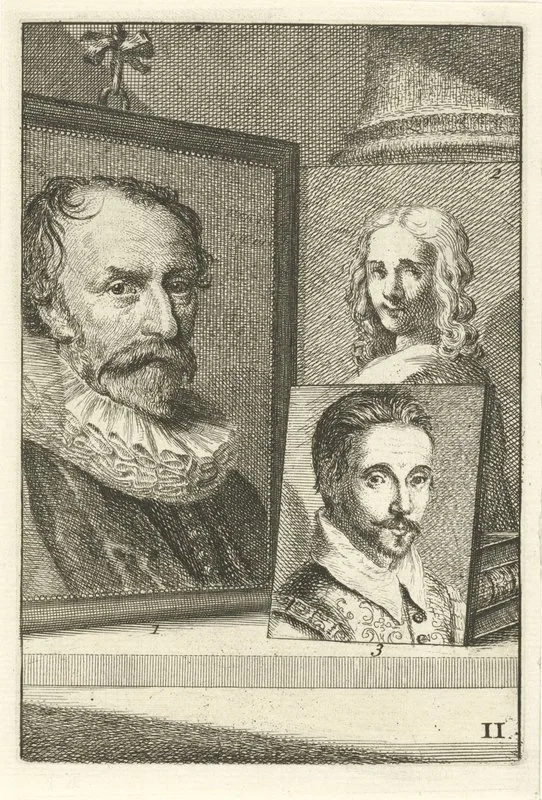
1580–1638
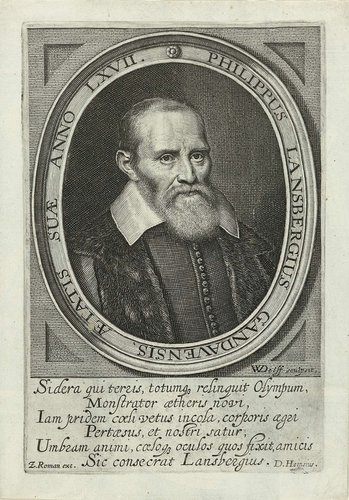
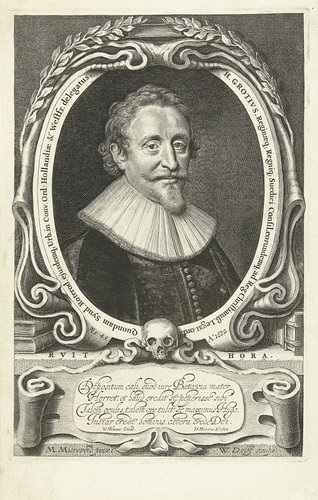
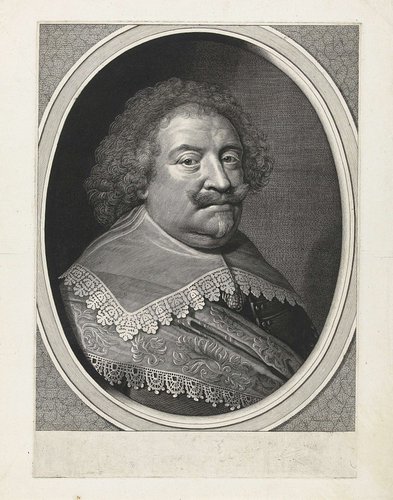
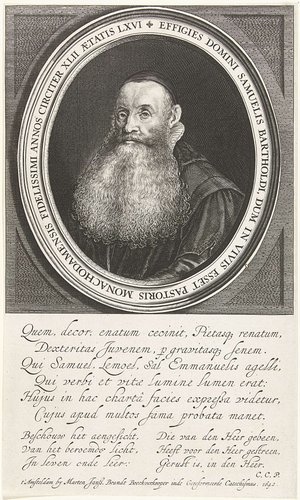
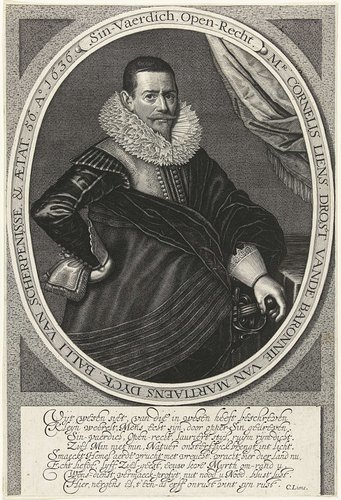
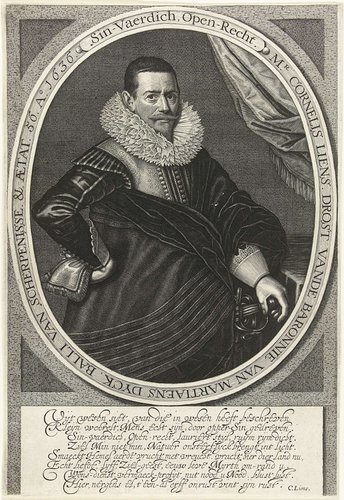
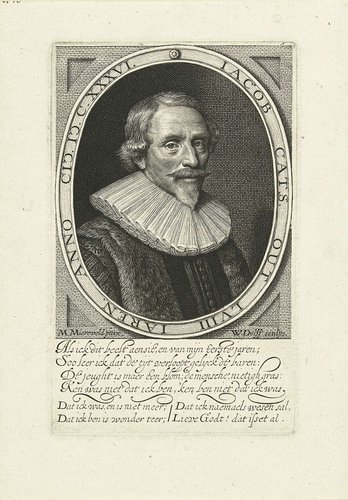
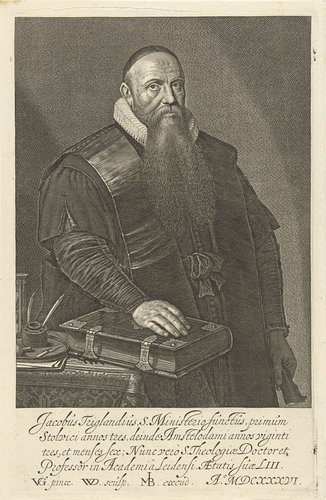
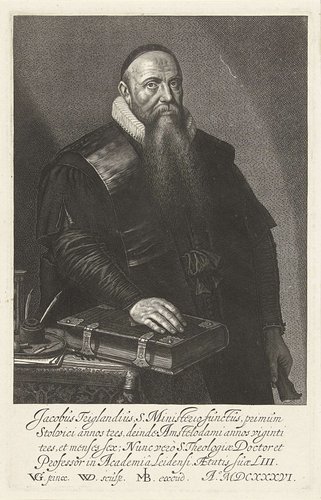
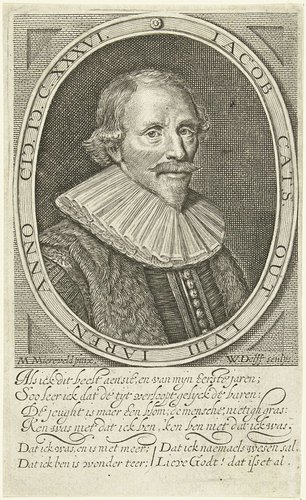
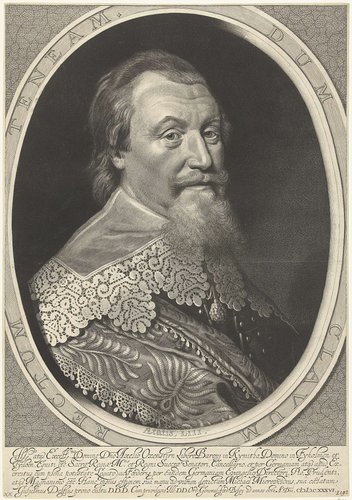
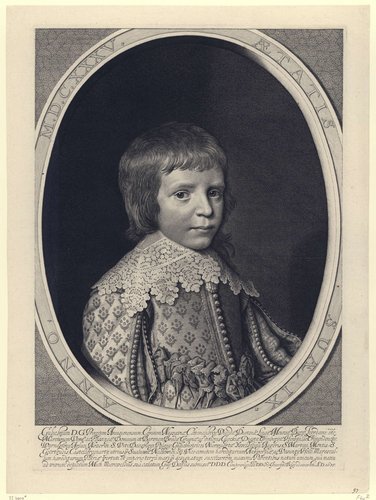
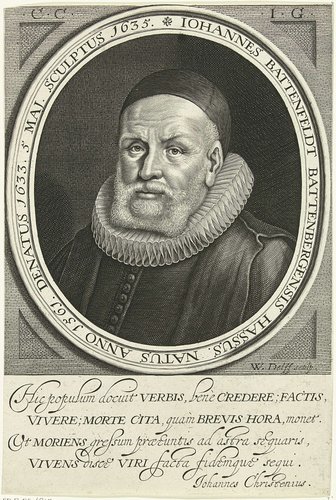
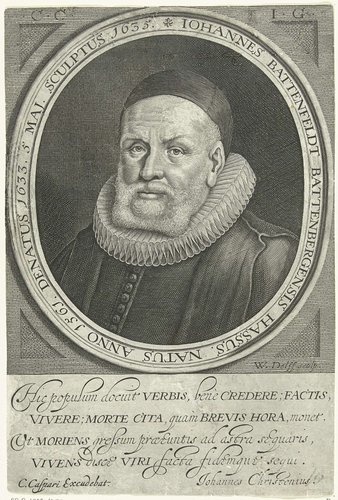
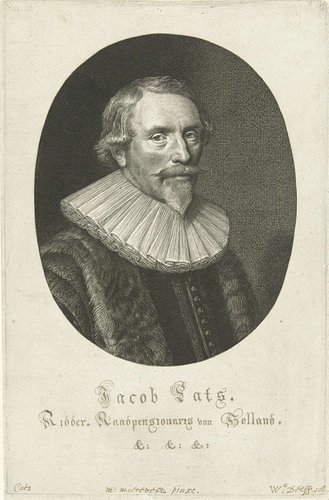
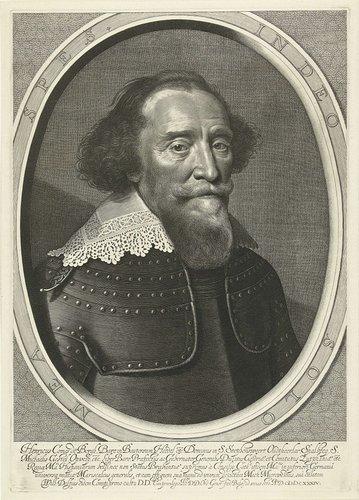
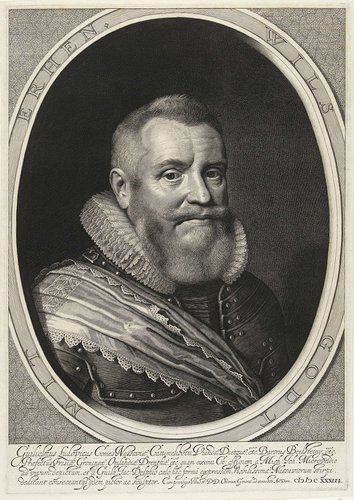
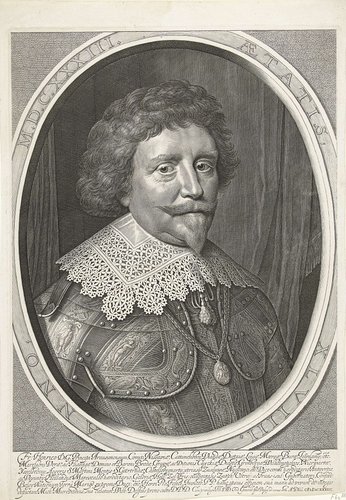
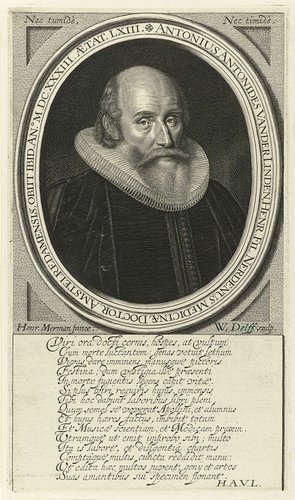
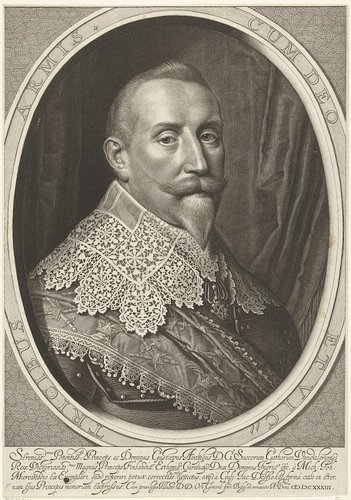
Willem Jacobsz. Delff (c. 1580–1638) was a Dutch Golden Age engraver and painter whose portrait engravings provide an invaluable visual record of early 17th-century Dutch society. Born around October 1580 in Delft, Willem came from an artistic family and trained under his father, Jacob Willemsz. Delff the Elder, himself a painter. Willem's marriage to Geertruid van Mierevelt, daughter of the renowned portrait painter Michiel van Mierevelt, proved professionally transformative, giving him privileged access to his father-in-law's paintings as source material for engravings and connecting him to the highest levels of Dutch society. Delff's significance lies primarily in his engraved portraits, which he produced throughout his career in collaboration with Michiel van Mierevelt. During the Dutch Golden Age, when the newly independent Dutch Republic was establishing its identity and celebrating its leading citizens, portrait engravings served crucial functions: preserving likenesses of important individuals, creating visual records of contemporary notables, and making portraits accessible beyond the wealthy patrons who could afford painted versions. Delff's engravings after van Mierevelt's paintings documented statesmen, military leaders, scholars, artists, and wealthy merchants who shaped Dutch society during its greatest flowering. Beyond his portrait work, Delff created engravings after works by other artists and produced some original paintings. His technical skill in engraving, particularly his ability to capture the characterization and subtle tonal values of van Mierevelt's painted portraits, made him one of the most accomplished reproductive engravers of his generation. When he died in Delft on April 14, 1638, at approximately 58 years of age, he left behind a substantial body of work that continues to serve historians and art scholars as primary visual documentation of Dutch Golden Age personalities and culture.
Willem Jacobsz. Delff was born around October 1580 in Delft, one of the most prosperous cities in the Dutch Republic. His father, Jacob Willemsz. Delff the Elder (c. 1550–c. 1601), was a painter who provided Willem's initial artistic training. His mother was Maria Joachimsdr Nagel. Growing up in an artistic household gave Willem early exposure to painting techniques, artistic practice, and the professional world of Dutch art.
Jacob Willemsz. Delff the Elder created a family portrait showing himself with his sons and wife, documenting the family that would produce multiple artistic members. This emphasis on family and artistic lineage was characteristic of Dutch artistic culture, where workshops often passed from father to son and artistic families formed important networks within cities' artistic communities.
Willem learned painting from his father, acquiring the foundational skills in drawing, composition, and handling of paint that would inform his later engraving work. Understanding painting from direct experience proved invaluable for a reproductive engraver, as it provided insight into painters' techniques and intentions.
He also trained in engraving, the specialized craft that would become his primary occupation. Engraving required different skills than painting—the controlled manipulation of the burin to incise lines into copper plates, understanding of how lines would print, and the ability to translate tonal paintings into linear black-and-white images.
By 1613 or earlier, Willem Jacobsz. Delff had been admitted to the Delft Guild of Saint Luke, the professional organization for painters and related crafts. Guild membership was essential for legal practice as an artist, providing professional recognition and protecting members' economic interests.
The pivotal development in Delff's career came through his marriage to Geertruid van Mierevelt, daughter of Michiel van Mierevelt (1567–1641), one of the most celebrated portrait painters in the Dutch Republic. Van Mierevelt served as court painter to multiple members of the House of Orange, the stadtholder dynasty that led the Dutch Republic, and painted virtually every important figure in Dutch society.
This marriage alliance transformed Delff's career opportunities. Working after his father-in-law's paintings, Delff gained access to an extraordinary array of portraits depicting the Dutch Republic's leadership and elite. The collaboration benefited both men: van Mierevelt's painted portraits reached only single patrons, while Delff's engravings could be reproduced in multiples, spreading van Mierevelt's fame and creating additional income streams.
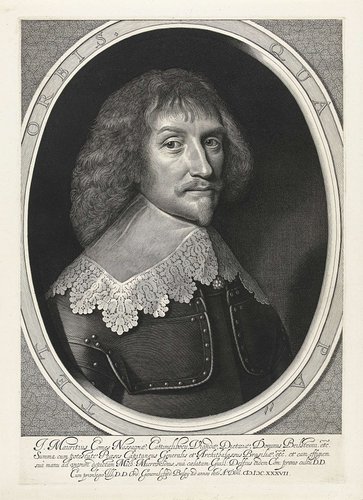
During this period, Delff established his practice as a portrait engraver. The technical challenge was substantial: he needed to capture not just the physical appearance but the characterization and psychological presence that made van Mierevelt's portraits so admired. His engravings had to convey the distinction between different fabrics, the texture of lace collars and cuffs, the sheen of armor, and the individuality of facial features—all through precisely controlled linear marks.
His reputation grew as his engravings circulated. Collectors, scholars, and institutions acquired his prints, creating demand for his work. The market for portrait engravings was substantial, serving commemorative, historical, and decorative purposes.
By the 1620s, Delff was well-established professionally and financially. In 1631 or 1632, demonstrating his economic success, he purchased a house called De Handtboog (The Longbow) on the west side of Koornmarkt number 81, north of Nickersteeg in Delft, paying 3,200 guilders—a substantial sum indicating considerable prosperity.
Property ownership brought social status and economic security. The house presumably also served as his workshop, where he would have maintained his engraving tools, copper plates, and prints. The location in central Delft placed him within the city's commercial and artistic heart, facilitating professional connections and sales.
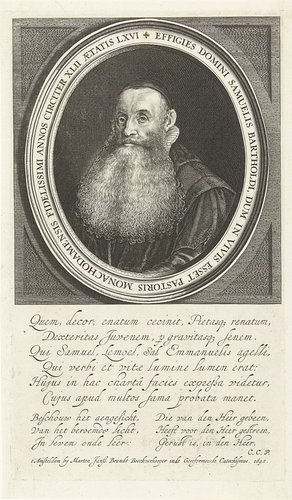
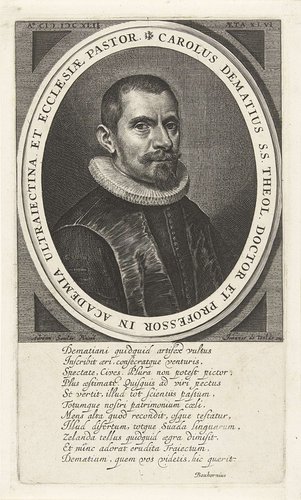
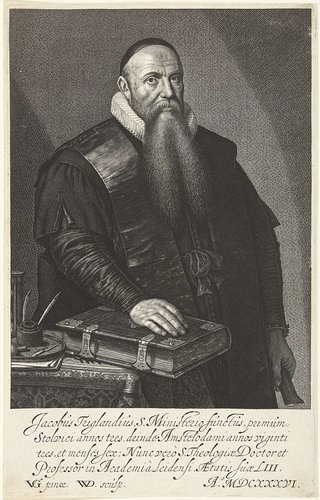
Throughout these years, Delff continued producing portrait engravings after van Mierevelt and other artists. His body of work grew to encompass dozens of portraits documenting Dutch Golden Age society. These included military leaders from the Eighty Years' War (the Dutch struggle for independence from Spain), civic officials, Reformed Church ministers, scholars from Leiden University and other institutions, and wealthy merchants and their families.
Delff also created engravings after works by other artists and produced some original paintings, demonstrating versatility across both painting and printmaking. However, his portrait engravings after van Mierevelt remained his primary work and the basis of his historical significance.
Contemporary recognition of his work's quality is reflected in descriptions of his engravings as among 'the best ever engraved portraits produced in Holland.' This assessment, while perhaps partisan, indicates the high regard in which his technical skill and artistic sensitivity were held.
Artheon Research Team
Last updated: 2025-11-09
Biography length: ~1,213 words