Ctrl K
1880–1954
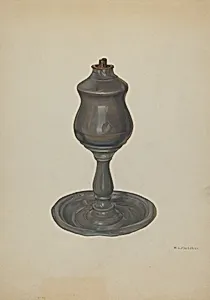
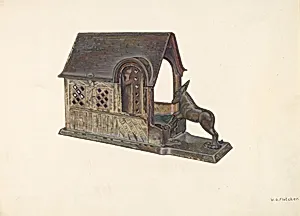
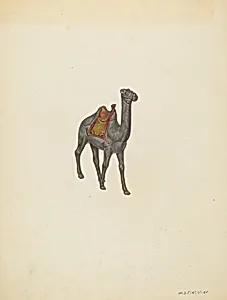
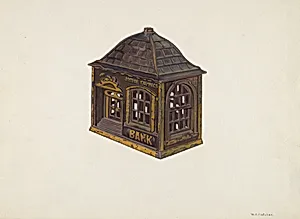
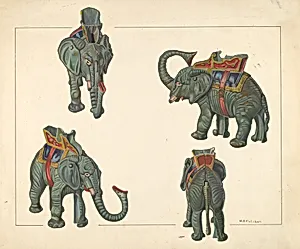
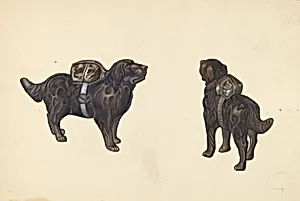
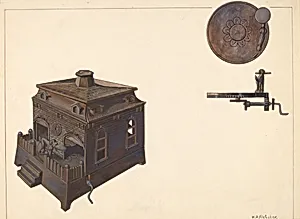
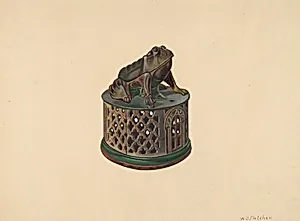
William O. Fletcher is represented in museum collections by a body of work that demonstrates consistent artistic output and the kind of sustained production that distinguishes professional or semi-professional practice from occasional art-making. While his biographical details remain unrecorded in the sources readily available to researchers — his dates, nationality, and training all currently unknown — the works themselves attest to a real and practiced artistic engagement.
Fletcher's name points toward an English-speaking background, and the character of his work would have been shaped by the training traditions and artistic conventions of wherever he practiced — whether that was in the United States, Britain, or another part of the anglophone world. The late nineteenth and early twentieth centuries offered ambitious artists a range of educational pathways: formal academy training, private instruction from established practitioners, or independent study shaped by travel and exposure to the period's major exhibitions and publications.
The forty-plus works associated with Fletcher's name suggest a practitioner who found a consistent market or patronage base for his output — whether through gallery exhibition, commercial illustration, or the kind of direct patronage that sustained many working artists of the era. Each of these contexts would have shaped both what he made and how it survived into institutional collections.
William O. Fletcher's work merits the attention of researchers willing to pursue the archival documentation that standard biographical references have not yet assembled. Artist directories, estate records, exhibition catalogues from regional venues, and the holdings of local historical societies may together provide the evidence needed to reconstruct a fuller account of his career and contribution to the visual culture of his time.