
Altar Angel
Unknown Artist
ca. 1275–1300
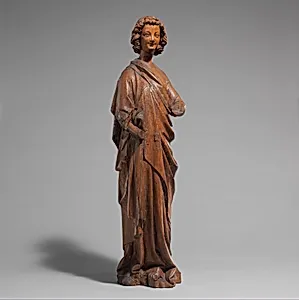
Medium
Oak with traces of paint
Dimensions
29 × 7 5/8 × 8 in. (73.7 × 19.4 × 20.3 cm)
Classification
Sculpture-Wood
Culture
French
Department
The Cloisters
Museum
Metropolitan Museum of Art, New York, NY
Credit
The Cloisters Collection, 1952
Accession Number
52.33.2
Rights
Public Domain
Tags
Art Historical Context
Welcome to The Cloisters, where this enchanting *Altar Angel* from 13th-century France invites you into the spiritual world of medieval worship. Carved around 1275–1300 from oak wood, this sculpture stands about 29 inches tall, depicting a serene angel likely intended for an altar ensemble. Its graceful form and subtle traces of original paint evoke the divine messengers so central to Gothic religious art, now part of The Cloisters Collection since 2 at the Metropolitan Museum of Art. Crafted in oak—a durable, locally abundant wood in medieval Europe—the angel exemplifies the period's masterful woodworking techniques. Sculptors skillfully hollowed and shaped the dense grain to create fluid drapery and expressive features, then applied polychrome paint to mimic lifelike skin, fabrics, and gold highlights, bringing heavenly figures vividly to life in candlelit churches. Though the artist remains unknown, such works were often produced in workshops for cathedrals and abbeys, blending devotion with artistic innovation. This piece captures the cultural fervor of High Gothic France, when angels symbolized divine intervention and intercession. Displayed among medieval treasures, it reminds us how everyday wood became a portal to the sacred, inspiring awe in pilgrims and parishioners alike. Pause and imagine its glow amid a bustling altar!