
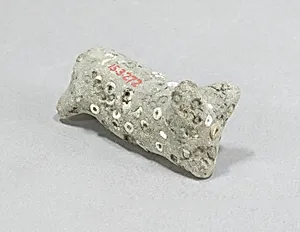
Animal figure
Unknown Artist
ca. 1850–1640 B.C.
Medium
Mud, faience
Dimensions
H. 4.6 × W. 1.7 × D. 2.1 cm (1 13/16 × 11/16 × 13/16 in.)
Classification
Figurine, animal
Period
Middle Kingdom
Department
Egyptian Art
Museum
Metropolitan Museum of Art, New York, NY
Credit
Rogers Fund, 1915
Accession Number
15.3.272
Rights
Public Domain
Tags
Art Historical Context
This petite *Animal Figure*, crafted around 1850–1640 B.C. during Egypt's Middle Kingdom (late Dynasty 12 to early Dynasty 13), captures the ingenuity of ancient artisans working with humble yet transformative materials: a mud core coated in vibrant faience. Measuring just 4.6 cm high, this tiny sculpture from the Metropolitan Museum of Art Egyptian Art collection exemplifies the era's fascination with animals, which often symbolized protection, fertility, or divine in daily life and ritual. Faience, a glazed composite of quartz, lime, and clay fired to a brilliant turquoise hue reminiscent of the Nile's life-giving waters, was a favored medium for small-scale objects like amulets and votive figures. Its durability and luster made it accessible for both elite and common use, reflecting Middle Kingdom advancements in ceramic technology amid a period of renewed stability and artistic realism. Likely intended as a protective talisman or offering for household shrines, this unknown artist's work invites us to ponder the spiritual world of ancient Egyptians, where even a simple animal form bridged the earthly and eternal. Acquired through the Rogers Fund in 1915, it remains a window into a culture that infused everyday creatures with profound meaning.