
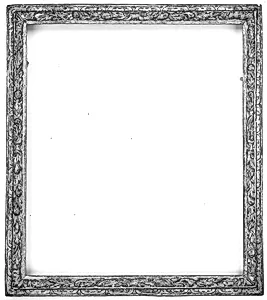
Astragal frame
Unknown Artist
early 17th century
Medium
Poplar
Dimensions
Overall: 40 7/8 × 36 in. (103.9 × 91.5 cm) Sight: 34 13/16 × 30 3/16 in. (88.5 × 76.7 cm) Rabbet: 37 1/2 × 32 11/16 in. (95.2 × 83 cm)
Classification
Frames
Culture
Italian, Veneto
Department
Robert Lehman Collection
Museum
Metropolitan Museum of Art, New York, NY
Credit
Robert Lehman Collection, 1975
Accession Number
1975.1.2093
Rights
Public Domain
Art Historical Context
Welcome to the Robert Lehman Collection at the Metropolitan Museum of Art, we spotlight the *Astragal Frame*, a exquisite example of early 17th Italian craftsmanship from the Veneto region Crafted from poplar wood—a lightweight, workable material favored for its fine grain and affordability—this frame measures an impressive overall 40 7/8 × 36 inches, with a sight opening of 34 13/16 × 30 3/16 inches, designed to elegantly encase paintings or mirrors. In the vibrant artistic hub of Veneto during the early Baroque era, frames like this were far more than mere supports; they were integral to the viewer's experience, enhancing the illusion of depth and grandeur. The "astragal" design refers to its distinctive convex moldings, reminiscent of classical architectural beads, which added rhythmic ornamentation and reflected Venice's blend of Renaissance elegance and emerging opulence. Though by an unknown artisan, such frames exemplified the region's mastery of carved woodwork, often gilded or painted to harmonize with opulent interiors. This piece underscores the cultural importance of frames in Italian art, transforming static images into dynamic focal points. Acquired in 1975, it invites us to appreciate the unsung heroes of museum displays—those ornate borders that framed the masterpieces of their time.