
Bath Scraper
Unknown Artist
12th–13th century
Medium
Earthenware; unglazed, molded
Classification
Ceramics
Department
Islamic Art
Museum
Metropolitan Museum of Art, New York, NY
Credit
Gift of Adrienne Minassian, 1969
Accession Number
69.284.2
Rights
Public Domain
Art Historical Context
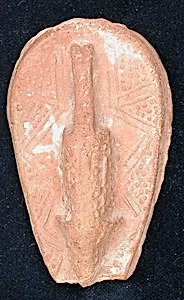
Step into the steamy world of medieval Islamic bathhouses with this intriguing *Bath Scraper*, a12th–13th earthenware tool from the Islamic Art collection at the Metropolitan Museum of Art Crafted by an unknown artist using unglazed, molded techniques, this utilitarian ceramic object exemplifies the everyday artistry of the period. The molding process allowed for efficient production of sturdy, handheld implements designed for personal hygiene—scraping away soap, oils, or dead skin during ritual ablutions in hammams public bathhouses central to social and spiritual life. In the Islamic world, bathing was more than cleanliness; it was a cultural cornerstone tied to purity rituals before prayer and communal bonding. This scraper, gifted to the Met in 1969 by Adrienne Minassian, reflects the Seljuk or Ayyubid eras' blend of function and subtle form, where even humble earthenware bore molded details for ergonomic grip. Unglazed surfaces ensured durability in wet environments, highlighting practical innovation over decoration. Today, it offers a tactile glimpse into daily life across regions like Persia or Syria, reminding us how ceramics bridged utility and culture in medieval Islam. A modest marvel! (198 words)