
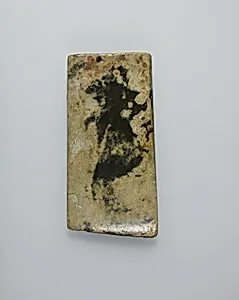
Blade
Shang dynasty (c.1600–1050 BC)
Medium
Jade
Dimensions
6.7 × 3.4 × 1 cm (2 5/8 × 1 5/16 × 3/8 in.)
Classification
jade
Department
Arts of Asia
Museum
Art Institute of Chicago
Accession Number
69040
Rights
Public Domain
Art Historical Context
This elegant jade blade, dating to China’s Shang dynasty (c. 1600–1050 BC), offers a glimpse into one of the world’s earliest sophisticated jade-working traditions. Measuring just 6.7 centimeters long, the small object was likely created not as a practical weapon but as a ceremonial or ritual item. Its compact size and precious material suggest it may have served as a symbol of status or authority, possibly placed in tombs to accompany the deceased. Jade held profound cultural importance in ancient China, prized for its hardness, luminous polish, and associations with purity and permanence. Shang artisans developed remarkable techniques to shape and incise this notoriously tough stone using abrasive sands and simple tools, achieving smooth surfaces and precise edges that still impress today. Such blades reflect the dynasty’s growing mastery of craft and its belief in the spiritual power of finely worked materials. Now housed in the Art Institute of Chicago’s Arts of Asia collection, this modest yet refined piece invites visitors to appreciate the deep roots of Chinese artistic achievement and the enduring allure of jade.
About the Artist
Unknown
The artist designated as "Unknown" in our virtual museum's collection exemplifies a poignant chapter in art history: creators whose identities have faded into obscurity despite the enduring power of their work. With only one known artwork attributed to them in our holdings, this figure represents countless anonymous hands that shaped visual culture across centuries. Museums worldwide, including th...