Ctrl K
The artist designated as "Unknown" in our virtual museum's collection exemplifies a poignant chapter in art history: creators whose identities have faded into obscurity despite the enduring power of their work. With only one known artwork attributed to them in our holdings, this figure represents countless anonymous hands that shaped visual culture across centuries. Museums worldwide, including the Hudson River Museum and the Hood Museum of Art at Dartmouth, have shifted from labeling such creators as "artist unknown" to "artist once known," acknowledging that these individuals were likely recognized in their lifetimes—apprenticed, commissioned, and celebrated—before time, war, or neglect erased their names. This subtle reframing underscores a legacy of reclamation, inviting us to honor the human behind the artifact rather than consigning them to perpetual anonymity.
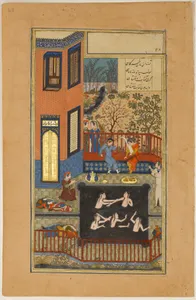
Details of this artist's training and early life are not well documented, a fate shared by many unattributed works from antiquity to the modern era. Without signatures or provenance, we cannot confirm teachers, schools, or movements, though such creators often emerged from guild systems or workshops in Renaissance Europe, imperial courts in Asia, or folk traditions elsewhere. For instance, wood engravings like the famous Flammarion image or manuscripts such as the Ashtasahasrika Prajnaparamita-sutra were produced by skilled but unnamed artisans embedded in collaborative traditions.,_Manuscript_of_the_Perfection_of_Wisdom_in_Eight_Thousand_Lines_(Ashtasahasrika_Prajnaparamita-sutra)_-_1938.301.64.b_-_Cleveland_Museum_of_Art.jpg) Our Unknown artist's single piece in the collection likely reflects similar circumstances: competent execution born of rigorous, if unrecorded, apprenticeship, perhaps in a regional style attuned to patrons' demands rather than personal fame.
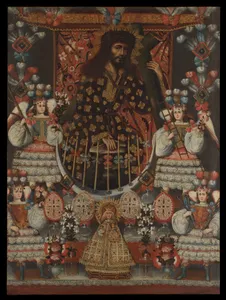
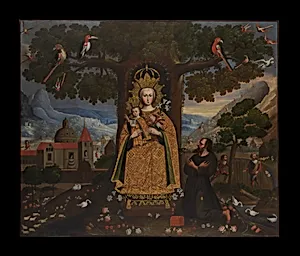
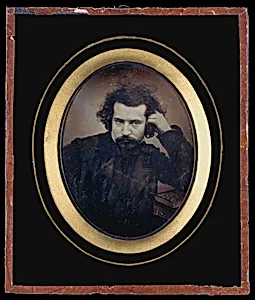
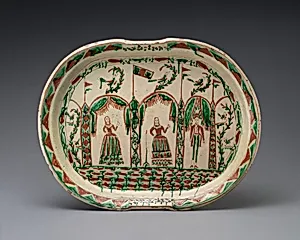
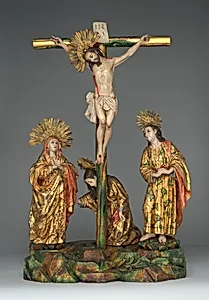
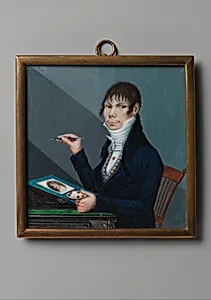
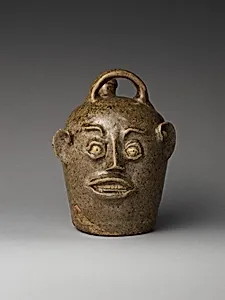
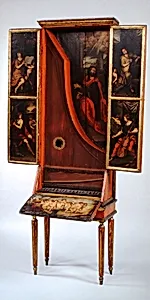
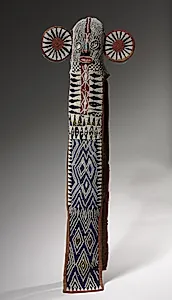
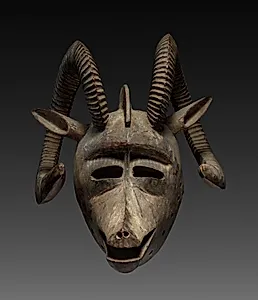
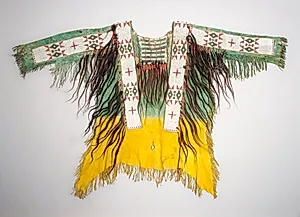
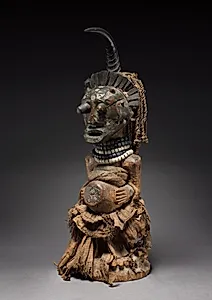
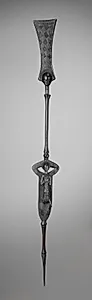
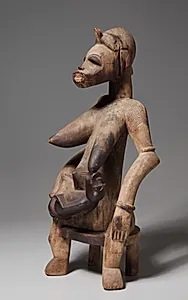
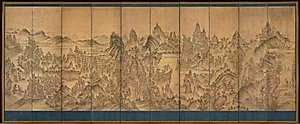
The major work here stands as the sole testament to this artist's vision, its style and subject revealing technical prowess amid historical context—be it portraiture, landscape, or devotional art common to anonymous outputs. Lacking specifics, it echoes broader patterns: portraits of figures like John Loudon McAdam or Ming Emperor Taizu, captured by hands now forgotten. This piece's inclusion in our collection elevates it beyond obscurity, preserving a fragment of human expression.
The legacy of Unknown endures through such institutional stewardship, challenging us to question why some names survive while others vanish. In an era of rediscoveries—like weathered sculptures resurfacing at auction or paintings reattributed from anonymity—their story inspires ongoing scholarship. By contemplating this lone artwork, visitors connect with the universal impulse to create, reminding us that art's value transcends the signature. (312 words)