
Blade and Mounting for a Dagger (<i>Tantō</i>)
blade, dated 1870; mounting, 19th century
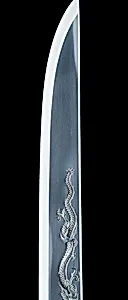
Medium
Steel, wood (rosewod), copper-gold alloy (<i>shakudō</i>), copper-silver alloy (<i>shibuichi</i>), gold, silver
Dimensions
L. 16 1/8 in. (40.9 cm); L. of blade 14 7/16 in. (36.7 cm); L. of cutting edge 10 1/2 in. (26.7 cm); L. of knife (<i>kozuka</i>) 7 1/4 in. (18.4 cm)
Classification
Daggers
Culture
Japanese
Department
Arms and Armor
Museum
Metropolitan Museum of Art, New York, NY
Credit
The Friedsam Collection, Bequest of Michael Friedsam, 1931
Accession Number
32.100.470
Rights
Public Domain
Art Historical Context
This exquisite *tantō* (short dagger) exemplifies the pinnacle of Japanese blade craftsmanship during the Meiji era. steel blade, masterfully forged by the renowned swordsmith Gassanakazu and dated 1870, a cutting edge of 10½ inches, ideal for close combat or ritual use among samurai. Sadakazu, active amid Japan's rapid modernization post-1868, preserved traditional forging techniques even as swords transitioned from weapons to art objects. The fittings, crafted by Nomura Katsumori andii in the 19th century, elevate the piece with intricate metalwork. The mountings showcase virtuoso use of mixed alloys: *shakudō* (copper-gold) and *shibuichi* (copper-silver), often patinated to mimic lacquer or stone, adorned with gold and silver inlays. A rosewood handle adds warmth and grip. These materials highlight *koshirae* (mounting) artistry, where functionality meets aesthetic splendor in the Arms and Armor tradition. Housed in the Metropolitan Museum of Art from The Friedsam Collection (1931), this 16⅛-inch dagger (blade 14½ inches) reflects Japan's enduring metalworking legacy, blending utility, symbolism, and beauty for discerning collectors today.
About the Artist
Gassan Sadakazu|Nomura Katsumori|Seii (Japanese|Japanese|Japanese) · 1834 |1845 |1845 –1918 |1895 |1895
Japanese, Setsu (now Osaka), 1834–1918|Japanese, active ca. 1870|Japanese, active ca. 1870