
Bone Ornament
1200-900 B.C.
Medium
Decorative Arts
Classification
Decorative Arts
Department
Smithsonian Collection
Museum
Smithsonian American Art Museum
Credit
Smithsonian American Art Museum, Gift of John Gellatly
Accession Number
1929.8.260.1
Rights
Public Domain
Art Historical Context
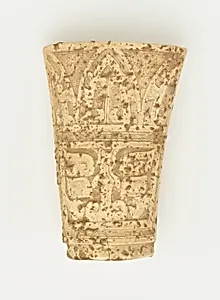
### Bone Ornament Step back in time over 3,000 years to encounter this delicate *Bone Ornament*, crafted between 1200 and 900 B.C. by an unidentified artist from an ancient culture. As a prime example of early decorative arts, this piece was fashioned from bone—a readily available natural material that ancient peoples transformed into objects of beauty and utility. Displayed in the Smithsonian American Art Museum's Smithsonian, it exemplifies the ingenuity of pre-modern artisans who elevated everyday resources into enduring adornments. The ornament's creation during the late Bronze Age or equivalent prehistoric period underscores its historical significance, bridging the gap between functional tools and artistic expression. Bone, prized for its durability and workability, allowed for intricate carving techniques that reveal sophisticated craftsmanship without metal tools. Such artifacts offer glimpses into the daily lives, rituals, or status symbols of their makers, highlighting how decorative arts served both practical and symbolic roles in ancient societies. Generously gifted to the museum by collector John Gellatly, this *Bone Ornament* invites visitors to ponder the timeless human impulse to create beauty from the earth. Though details of its exact use remain a mystery, it stands as a testament to the deep roots of American artistic heritage preserved in our collections.
About the Artist
Unidentified ( ) · –