
Bottle vase
Unknown Artist
18th century
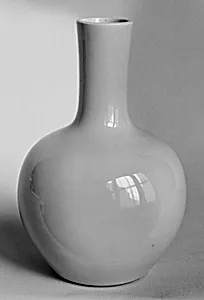
Medium
Porcelain with light yellow glaze (Jingdezhen ware)
Dimensions
H. 8 in. (20.3 cm); Diam. 5 1/4 in. (13.3 cm)
Classification
Ceramics
Culture & Period
China · Qing dynasty (1644–1911)
Department
Asian Art
Museum
Metropolitan Museum of Art, New York, NY
Credit
Bequest of Benjamin Altman, 1913
Accession Number
14.40.318
Rights
Public Domain
Art Historical Context
This elegant bottle vase, crafted in the 18th century during China's Qing dynasty (16441911), exemplifies the porcelain production of Jingdezhen, the kilns renowned as the porcelain capital of the world. at 8 inches tall with a 5¼-inch diameter, its graceful bottle shape—narrow neck flaring to a rounded body—was a classic form ideal for displaying flowers or as a decorative centerpiece. The light yellow glaze, a delicate monochrome finish, glows with subtle warmth, achieved through precise control of firing temperatures and mineral compositions in Jingdezhen's advanced kilns. Jingdezhen ware reached new heights of technical perfection under Qing emperors, producing wares for the court, scholars, and export markets. Yellow glazes held special prestige, often evoking imperial luxury and harmony with nature, though this understated light tone suggests it may have graced a refined private collection. As an anonymous artisan's work, it highlights the collaborative genius of Jingdezhen's workshops, where potters, painters, and glaze masters innovated tirelessly. Bequeathed to the Metropolitan Museum of Art in 1913 by Benjamin Altman, this vase invites us to appreciate the Qing era's blend of utility and artistry— a timeless treasure from China's ceramic golden age.