
Bound print
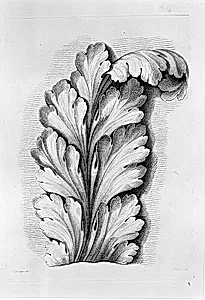
Classification
Bound print
Department
Smithsonian Collection
Museum
Smithsonian American Art Museum
Credit
Purchased for the Museum by the Advisory Council
Accession Number
1921-6-204-29
Rights
Public Domain
About this artwork
Research in Progress
Art Historical Context
Gilles Paul Cauvet (1–1788), a French artist active during the lavish Rococo and emerging Neoclassical periods, created this intriguing *Bound Print*. Though the exact date and medium remain under research at the Smithsonian American Art Museum, its classification as a "bound print" suggests it hails from a collected volume of engravings or etchings—common in 18th-century Europe for sharing intricate designs with artisans, architects, and collectors. Cauvet's work often captured the ornate spirit of French decorative arts, blending elegance with technical precision. Acquired through the Museum's Advisory Council purchase and housed in the Smithsonian Collection, this piece bridges European mastery with American curatorial interests. Bound prints like this preserved ephemeral designs, influencing furniture, interiors, and fashion across continents. Its presence in the Smithsonian American Art Museum highlights the transatlantic exchange of aesthetic ideas during the Enlightenment, when printed ornamentation democratized high style. While ongoing research promises deeper insights, *Bound Print* invites visitors to ponder Cauvet's legacy: a window into France's golden age of craftsmanship, where every line held the promise of grandeur.