
Bound print
Classification
Bound print
Department
Smithsonian Collection
Museum
Smithsonian American Art Museum
Credit
Purchased for the Museum by the Advisory Council
Accession Number
1921-6-539-94
Rights
Public Domain
About this artwork
Research in Progress
Art Historical Context
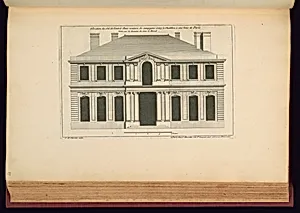
Jean Mariette (1660–1742), a prominent French engraver, printseller, and publisher, created this *Bound Print* in 1727, a period of artistic vibrancy during France's Regency era. Mariette was a key figure in the burgeoning print trade, renowned for producing high-quality reproductive engravings after masterpieces by artists like Rubens and Van Dyck. His works bridged fine art and wider audiences, making elite imagery accessible through affordable, collectible prints often bound into albums for preservation and display. As a "bound print," this piece likely formed part of a compiled volume, a popular format among 18th-century connoisseurs for showcasing engravings. Such bindings protected delicate paper while allowing sequential appreciation, reflecting the era's growing fascination with art documentation and scholarly collecting. Though the specific medium and subject remain under research, Mariette's meticulous techniques—precise line work and tonal shading—exemplify the rococo elegance emerging in French printmaking. Acquired for the Smithsonian American Art Museum through the Advisory Council, this artwork highlights transatlantic exchange in art collecting. It invites us to ponder how prints like this preserved cultural heritage, influencing American tastes and institutions in the centuries since. (198 words)