
Bowl
Unknown Artist
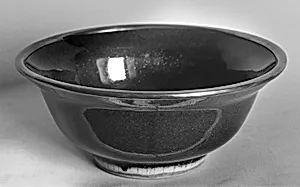
Medium
Porcelain with ox-blood glaze
Dimensions
H. 3 in. (7.6 cm); Diam. 7 in. (17.8 cm)
Classification
Ceramics
Culture & Period
China · Qing dynasty (1644–1911), Kangxi period (1662–1722)
Department
Asian Art
Museum
Metropolitan Museum of Art, New York, NY
Credit
Bequest of Benjamin Altman, 1913
Accession Number
14.40.63
Rights
Public Domain
Art Historical Context
This exquisite porcelain bowl, hailing from China's Qing dynasty during the Kangxi period (1662–1722), exemplifies the pinnacle of imperial ceramic artistry. Standing just 3 inches tall with a 7-inch diameter, its compact form belies its luxurious presence. The standout feature is the ox-blood glaze—a deep, vibrant red monochrome finish known as *sang de boeuf*—which was notoriously difficult to achieve, requiring precise control of kiln temperatures to produce its characteristic glossy depth and subtle color variations. Crafted likely at the famed Jingdezhen kilns, the epicenter of porcelain production, this bowl reflects the Kangxi era's technical innovations and aesthetic refinement. Emperors like Kangxi prized such wares for their elegance, using them in courtly settings or as diplomatic gifts. The ox-blood glaze, perfected during this time, symbolized wealth and mastery, transitioning from experimental Tang dynasty attempts to a Qing hallmark. Bequeathed to the Metropolitan Museum of Art by collector Benjamin Altman in 1913, this anonymous masterpiece invites us to appreciate the anonymous artisans whose skill elevated everyday vessels into timeless treasures of Asian art.