
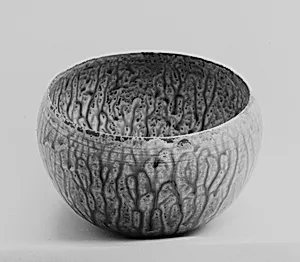
Bowl
Unknown Artist
17th century (?)
Medium
Clay covered with glaze (Shidoro style)
Dimensions
H. 4 1/2 in. (11.4 cm); Diam. 6 5/8 in. (16.8 cm)
Classification
Ceramics
Culture & Period
Japan · Edo period (1615–1868)
Department
Asian Art
Museum
Metropolitan Museum of Art, New York, NY
Credit
Rogers Fund, 1918
Accession Number
18.77.1
Rights
Public Domain
Art Historical Context
This elegant bowl from Japan's Edo period (16151868), likely dating to the 17th, exemplifies the refined ceramics of a time when peace and prosperity fueled artistic innovation. Crafted by an unknown artist, it reflects the era's growing merchant class and enthusiasm for everyday luxury, where simple vessels like this could grace tea ceremonies or domestic tables. Acquired through the Rogers Fund in 1918, it now resides in the Metropolitan Museum Art's Asian Art Department. The bowl's standout feature is its Shidoro-style glaze—a glossy, lead-based coating applied over clay that creates a smooth, luminous finish. This technique, popular in 17th-century Japan, allowed potters to achieve vibrant, durable surfaces that enhanced both functionality and beauty. Standing just 4½ inches high and 6⅝ inches in diameter, its modest scale made it ideal for intimate rituals like chanoyu (the tea ceremony), underscoring ceramics' role in fostering mindfulness and social harmony. As a snapshot of Edo craftsmanship, this bowl highlights how Japanese artisans elevated humble materials into objects of quiet elegance, bridging utility and artistry in a transformative cultural moment.