
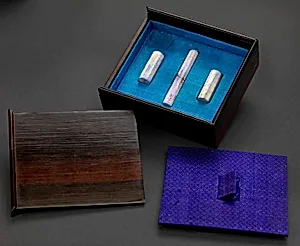
Box with Three Stones
Medium
Decorative Arts
Classification
Decorative Arts
Department
Smithsonian Collection
Museum
Smithsonian American Art Museum
Credit
Smithsonian American Art Museum, Gift of John Gellatly
Accession Number
1929.8.264.48-50
Rights
Public Domain
Tags
Art Historical Context
Nestled in the Smithsonian American Art Museum's collection of decorative arts, *Box with Three Stones* is a captivating example of Chinese craftsmanship from an unidentified artist and unknown date. Acquired through the generous gift of collector John Gellatly, this modest yet intriguing object exemplifies the elegance of everyday luxury in Chinese material culture. Its title hints at a simple composition—a box paired with three stones—evoking the minimalist beauty often prized in East Asian design, where form and restraint convey profound harmony. Chinese decorative arts like this box highlight centuries-old traditions of precision and symbolism. Boxes served practical purposes, safeguarding precious items like jewelry or documents, while stones could represent enduring natural elements, perhaps evoking jade's cultural reverence for purity and immortality. Though specifics remain elusive, the piece underscores the technical mastery of Chinese artisans in wood, lacquer, or metalwork, techniques that influenced global aesthetics. Displayed among the Smithsonian's treasures, *Box with Three Stones* invites visitors to ponder its untold story—a quiet testament to cross-cultural exchange preserved through Gellatly's foresight. Its presence in an American art context bridges Eastern artistry with Western collections, reminding us of art's timeless, borderless appeal.
About the Artist
Unidentified (Chinese)
The artist known simply as "Chinese" in museum records represents the vast tradition of anonymous or unattributed masters in Chinese art history, with 99 works preserved in our collection. These pieces exemplify the enduring legacy of guó huà, or traditional Chinese painting, one of the world's oldest continuous artistic practices. Early life is not well documented, as is common for many practitio...