
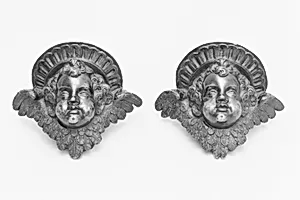
Bracket
ca. 1600
Medium
Bronze
Dimensions
Height: 6 in. (15.2 cm)
Classification
Sculpture-Bronze
Culture
German, Munich or Augsburg
Department
European Sculpture and Decorative Arts
Museum
Metropolitan Museum of Art, New York, NY
Credit
Gift of Irwin Untermyer, 1964
Accession Number
64.101.1560
Rights
Public Domain
Tags
Art Historical Context
Nestled in the European Sculpture and Decorative Arts at The Metropolitan Museum of Art, petite bronze *Bracket* by Hubert Gerhard, crafted around 1600, exemplifies the virtuosity of late Renaissance German bronzework. Standing just 6 inches tall, it hails from Munich or Augsburg—key centers of artistic innovation under the Wittelsbach dukes—where Gerhard, a master caster trained in Italy, blended Northern realism with Mannerist flair. Gifted to the Met in 1964 by Irwin Untermyer, it invites visitors to marvel at its compact power. Gerhard's genius shines in the medium of bronze, likely produced via the labor-intensive lost-wax process, allowing for crisp details and a rich patina that endures centuries. As an architectural element, the bracket would have supported shelves or beams in grand interiors, its tag-highlighted faces—grotesque or expressive—echoing the playful, fantastical motifs of Renaissance ornamentation inspired by ancient Roman discoveries. This piece captures a pivotal moment when German sculpture absorbed Italian influences, elevating functional decor to high art. Gerhard's works adorned ducal fountains and palaces, symbolizing princely wealth and humanistic curiosity. Up close, its tactile allure reminds us how everyday supports became canvases for human emotion and ingenuity.