
Bracket
ca. 1600
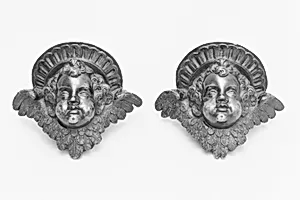
Medium
Bronze
Dimensions
Height: 6 in. (15.2 cm)
Classification
Sculpture-Bronze
Culture
German, Munich or Augsburg
Department
European Sculpture and Decorative Arts
Museum
Metropolitan Museum of Art, New York, NY
Credit
Gift of Irwin Untermyer, 1964
Accession Number
64.101.1561
Rights
Public Domain
Tags
Art Historical Context
This exquisite bronze *Bracket* by Hubert Gerhard, crafted around 1600, exemplifies the virtuosic bronze casting of late Renaissance Germany. Measuring just 6 inches (.2 cm) in height, this small-scale sculpture hails from either Munich or Augsburg—vibrant centers of artistic production in the Holy Roman Empire. Gerhard a master sculptor renowned for his dynamic Mannerist style, specialized in intricate bronzes that blended classical motifs with northern exuberance, often featuring lively faces like those hinted at in this piece. Bronze, valued for its durability and rich patina, was the medium of choice for such functional yet decorative architectural elements. Brackets like this supported shelves or cornices in grand interiors, their grotesque or expressive faces adding whimsy and warding off evil spirits—a nod to Renaissance grotesque traditions inspired by ancient Roman discoveries. Gerhard's lost-wax technique allowed for fine detailing, capturing the tension and movement typical of Mannerism. Today, this *Bracket* graces the Metropolitan Museum of Art's European Sculpture and Decorative Arts collection, a gift from Irwin Untermyer in 1964. It invites visitors to appreciate how everyday objects became canvases for artistic genius, bridging utility and opulence in the courts of 17th-century Europe.