
3/27
1646
Medium
etching
Dimensions
144; 84; 118; 60
Rights
Public Domain
About this artwork
height 60 mm x width 84 mm
Art Historical Context
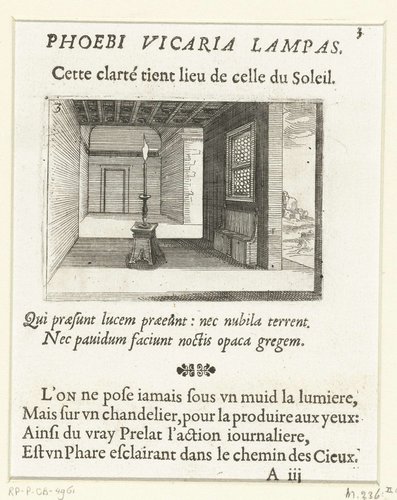
Jacques Callot's *3/27* (1646) is a delicate etching measuring just 60 mm high by 84 mm wide, exemplifying the artist's mastery of miniature-scale printmaking. A leading figure of the early Baroque period, Callot (1592–1635) was a French engraver renowned for his intricate, narrative-driven works that captured the turmoil of 17th-century Europe. Though dated after his death, this piece likely belongs to a posthumous series—possibly plate 3 of 27—reflecting his enduring influence through later editions printed from his plates. Etching, Callot's preferred medium, allowed for unprecedented detail through acid-bitten lines on a metal plate, enabling multiple impressions with remarkable precision. His innovative techniques, like dense cross-hatching, created tonal depth and texture in tiny formats, making grand scenes accessible to a wide audience via affordable prints. This small gem would have been prized by collectors for its technical virtuosity. Historically, Callot's works often depicted war, poverty, and festivals, offering vivid social commentary during the Thirty Years' War era. *3/27* invites viewers to marvel at how such compact artistry preserves fleeting moments of human drama, bridging intimate study with broader cultural narratives.
About the Artist
Jacques Callot · 1592–1635
Jacques Callot (1592–1635) was a French printmaker and draftsman from the Duchy of Lorraine, widely regarded as one of the first great artists to practice the graphic arts exclusively. His more than 1,400 etchings chronicled the breadth of 17th-century life, from Medici court festivities to the brutal realities of warfare. Callot revolutionized etching through technical innovations including the é...