
19/27
1646
Medium
etching
Dimensions
81; 59; 115; 146
Rights
Public Domain
About this artwork
height 59 mm x width 81 mm
Art Historical Context
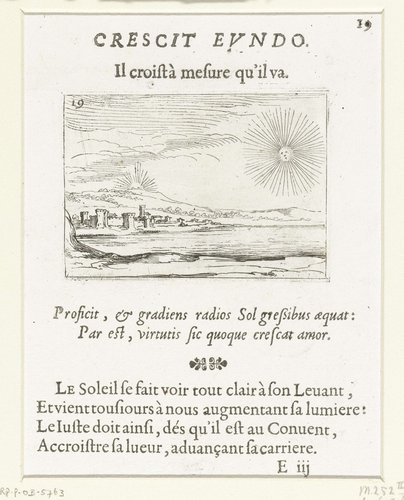
Jacques Callot's *19/27* (1646) is a etching measuring just 59 mm high 81 mm wide, showcasing the artist's mastery of miniature-scale printmaking. As plate 19 from what appears to be a series 27 works, this piece exemplifies Callot's innovative use of—a technique involving acid biting into a metal plate to create fine, intricate lines. This medium allowed for remarkable detail and tonal variation in tiny formats, making his prints accessible yet profoundly sophisticated. Working in the early 17th century during the Baroque era, Callot was a pioneering French printmaker whose works often captured dramatic narratives, social scenes, and human emotion with unflinching precision. Though small, *19/27* reflects his technical virtuosity, pushing the boundaries of what etching could achieve in an age when prints democratized art for collectors across Europe. Produced posthumously after Callot's death in 1635, it highlights the enduring demand for his style. Visitors will appreciate how this gem invites close inspection, revealing the artist's genius in evoking vast stories within a compact frame—a testament to etching's revolutionary role in art history.
About the Artist
Jacques Callot · 1592–1635
Jacques Callot (1592–1635) was a French printmaker and draftsman from the Duchy of Lorraine, widely regarded as one of the first great artists to practice the graphic arts exclusively. His more than 1,400 etchings chronicled the breadth of 17th-century life, from Medici court festivities to the brutal realities of warfare. Callot revolutionized etching through technical innovations including the é...