
Calligraphic Panel
mid-19th century
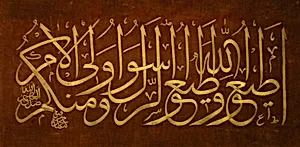
Medium
Velvet; embroidered in gold
Dimensions
H. 30 1/2 in. (77.5 cm) W. 15 9/16 in. (39.5 cm)
Classification
Textiles-Embroidered
Department
Islamic Art
Museum
Metropolitan Museum of Art, New York, NY
Credit
Louis E. and Theresa S. Seley Purchase Fund for Islamic Art and Rogers Fund, 2005
Accession Number
2005.252
Rights
Public Domain
Art Historical Context
Nestled in the Metropolitan Museum of Art's Islamic collection, this *Calligraphic Panel* by Muhammad Shafiq exemplifies the exquisite artistry of mid-19th-century Islamic. Crafted from luxurious velvet and meticulously embroidered in shimmering gold threads, the panel measures 30½ by 15⅞ inches, making it a striking wall hanging or decorative accent. Acquired through the Louis E. and S. Seley Purchase for Islamic Art and the Rogers Fund in 200, it showcases the technical mastery of embroidery—a labor-intensive technique where fine gold wires are couched onto the fabric, creating a radiant, jewel-like surface that catches the light. In Islamic tradition, calligraphy is more than script; it's a sacred art form, often rendering Quranic verses or poetic invocations with fluid elegance. Shafiq's work reflects this reverence, transforming velvet's soft texture into a canvas for spiritual expression during a period when such panels adorned mosques, madrasas, or elite homes across the Ottoman, Persian, or Mughal realms. The gold embroidery not only elevates its opulence but also symbolizes divine light, inviting viewers to contemplate the harmony of word and craft. This piece invites us to appreciate how 19th-century artisans like Shafiq blended devotion, skill, and beauty, preserving cultural heritage through enduring threads.