
Calligraphy Accompanying Xugu's Painting
Qing dynasty (1644–1911), 1897
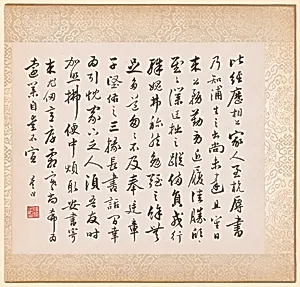
Medium
Album of 25 leaves; ink and light color on paper
Dimensions
Each leaf: 30.5 × 36.3 cm (12 × 14 1/4 in.)
Department
Arts of Asia
Museum
Art Institute of Chicago
Accession Number
217676
Rights
Public Domain
Art Historical Context
Welcome to the Art Institute of Chicago's Arts of department, where *Calligraphy Accompanyingugu's Painting* (1897) offers a captivating glimpse into late Qing dynasty artistry. Created by Xugu, a renowned painter of the era (1644–1911), this intimate album of 25 leaves—each 30.5 × 36.3 cm—blends ink and light color on paper, a medium favored for its delicate expressiveness in Chinese literati traditions. In Qing culture, albums like this were treasured by scholars and collectors for their portability and sequential unfolding, often pairing paintings with calligraphy to create layered narratives. Here, Xugu's inscriptions complement his imagery embodying the classical triad of painting, poetry, and calligraphy—the "three perfections This fusion not only enhances aesthetic harmony but also reflects the era's emphasis on personal refinement amid imperial declineXugu's work showcases masterful ink techniques, from bold washes to subtle color accents, highlighting the dynasty's innovative spirit. A testament to artistic legacy, this piece invites visitors to appreciate how everyday contemplation intertwined with profound cultural expression.
About the Artist
Xugu · 1824–1896
Xugu (1824–1896) was one of the most celebrated Chinese painters of the late Qing dynasty, renowned for his lyrical, highly individualistic approach to flower and plant painting that set him apart from both the orthodox academic tradition and the more popular Shanghai commercial style. Born Zhu Huairen in Anhui province, he took monastic vows and became a Buddhist monk, adopting the religious name...