
Carpet
Unknown Artist
late 18th century
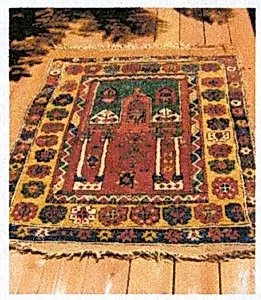
Medium
Wool; symmetrically knotted pile
Dimensions
L. 56 in. (142.2 cm) W. 42 in. (106.7 cm)
Classification
Textiles-Rugs
Department
Islamic Art
Museum
Metropolitan Museum of Art, New York, NY
Credit
Gift from the Collection of Hillary Black Dumas and Dr. D. Gilbert Dumas, 2009
Accession Number
2009.458.12
Rights
Public Domain
Art Historical Context
This exquisite wool carpet, woven in the late 18th century, exemplifies masterful textile traditions of Islamic art. Measuring 56 by 42 inches, its symmetrically knotted pile—a technique known as the Turkish knot—creates a durable, densely textured surface ideal for both practical use and aesthetic display. Common in rugs from regions like Anatolia or the Caucasus during the Ottoman era, this knotting method allows for intricate patterns and vibrant colors that have endured for centuries. In the Islamic world of the late 1700s, carpets held profound cultural significance, adorning homes, mosques, and palaces as symbols of prosperity and piety. Woven by skilled, often anonymous artisans, these pieces blended functionality with artistry, serving as prayer rugs, floor coverings, or wall hangings. The symmetrical knotting not only ensured longevity but also facilitated the geometric motifs and floral designs typical of the period, reflecting a harmonious balance of form and symbolism. Generously gifted to the Metropolitan Museum of Art in 2009 from the collection of Hillary Black Dumas and Dr. D. Gilbert Dumas, this carpet invites visitors to appreciate the timeless craft of Islamic weavers, whose anonymous genius continues to captivate.