
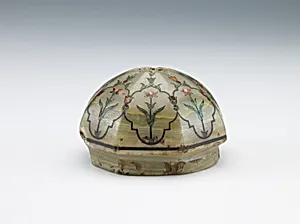
Carpet Weight
17th-18th century
Medium
Decorative Arts
Classification
Decorative Arts
Department
Smithsonian Collection
Museum
Smithsonian American Art Museum
Credit
Smithsonian American Art Museum, Gift of John Gellatly
Accession Number
1929.8.591
Rights
Public Domain
Art Historical Context
Step into the world of 17th- and 18th-century American domestic life with *Carpet Weight*, a example of unidentified craftsmanship from the Smithsonian American Art Museum Decorative Arts collection.ed during a time when households blended utility with artistry, this object served a practical purpose: weighing down rugs on uneven wooden floors to prevent slipping, while adding a touch of elegance to everyday spaces. Donated by collector John Gellatly, exemplifies the anonymous yet skilled hands that shaped early American interiors. In the colonial and early federal eras, decorative arts like this flourished as symbols of prosperity and refinement. Carpet weights, often made from materials like glass, metal, or ceramics, transformed mundane chores into opportunities for subtle beauty—inspired by European traditions but adapted to New World tastes. Though the artist's identity remains a mystery, the piece highlights the era's emphasis on functional design, where even hidden household items bore witness to emerging American ingenuity and cultural aspirations. Today, *Carpet Weight* invites us to appreciate the unsung heroes of home life, reminding visitors that art thrives in the details of daily existence. A gift to the nation, it enriches our understanding of how ordinary objects carried extraordinary stories.
About the Artist
Unidentified ( ) · –