
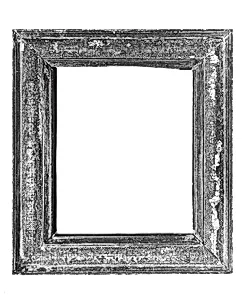
Cassetta frame
Unknown Artist
mid-16th century
Medium
Pine
Dimensions
Overall: 21 7/8 × 19 7/16 in. (55.6 × 49.3 cm) Sight: 15 1/16 × 12 5/16 in. (38.3 × 31.2 cm) Rabbet: 15 7/16 × 13 1/16 in. (39.2 × 33.1 cm)
Classification
Frames
Culture
Italian, Veneto
Department
Robert Lehman Collection
Museum
Metropolitan Museum of Art, New York, NY
Credit
Robert Lehman Collection, 1975
Accession Number
1975.1.1628
Rights
Public Domain
Art Historical Context
This elegant **Cassetta frame**, crafted in the mid-16th century pine wood in Italy's Veneto region, exemplifies Renaissance artistry of Venetian framing. The term "cassetta" refers its box-like (or "little box") structure, characterized by a deep, recessed profile with bold moldings that create a sense of depth and architectural grandeur. Measuring 21 7/8 × 19 7/16 inches overall, it designed to encase and elevate paintings, transforming them into unified works of art where the frame played an equal role in composition. In Veneto, a hub of Renaissance innovation during the 1500s, frames like this were essential complements to altarpieces and portraits by masters such as Titian or Giorgione. Pine, a lightweight yet sturdy local wood, allowed for intricate carving while remaining practical for transport and installation. Though the artist remains unknown, the frame's precise rabbet (15 16 × 13 1/16 inches) and sight opening (15 1/16 × 12 5/16 inches) reflect skilled woodworking techniques suited to the era's opulent tastes. Now part of the Robert Lehman Collection at The Metropolitan Museum of Art (acquired 1975), this frame highlights how Renaissance Italians viewed framing as an extension of painting itself—bridging sculpture, architecture, and pictorial art in perfect harmony. A quiet testament to craftsmanship, it invites us to appreciate the unsung frames that once cradled Venice's masterpieces.